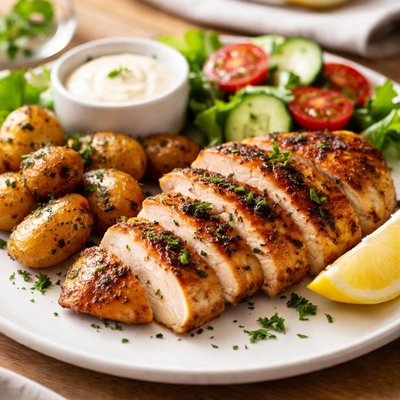
1 serving (360 grams) contains 104 calories, 0.9 grams of protein, 0.0 grams of fat, and 5.9 grams of carbohydrates.

Smart Nutrition Tracking with SnapCalorie

Nutrition Information
Calories |
69.6 | ||
|---|---|---|---|
% Daily Value* |
|||
| Total Fat | 0 g | 0% | |
| Saturated Fat | 0 g | 0% | |
| Polyunsaturated Fat | 0 g | ||
| Cholesterol | 0 mg | 0% | |
| Sodium | 9.6 mg | 0% | |
| Total Carbohydrates | 3.9 g | 1% | |
| Dietary Fiber | 0 g | 0% | |
| Sugars | 0.2 g | ||
| protein | 0.6 g | 1% | |
| Vitamin D | 0 mcg | 0% | |
| Calcium | 9.6 mg | 0% | |
| Iron | 0.1 mg | 0% | |
| Potassium | 50.4 mg | 1% | |
* Percent Daily Values are based on a 2,000 calorie diet. Your daily values may be higher or lower depending on your calorie needs.
Food Attributes
Source of Calories
About Beer
Beer is one of the oldest fermented beverages, typically made from water, malted barley, hops, and yeast. With its origins tracing back to ancient Mesopotamia and Egypt, beer is now widely consumed around the globe, featuring prominently in cuisines of Europe (e.g., Germany, Belgium) and beyond. Nutritionally, beer is low in protein and fat and primarily contains carbohydrates, with an average of 29 calories per 100ml. Beer also offers small amounts of minerals like calcium (4 mg/100ml) and iron (0.03 mg/100ml), but it should primarily be consumed in moderation due to its alcohol content. As a source of hydration or micronutrients, its contributions are minimal.
Health Benefits
- Contains trace amounts of B vitamins, particularly B3 (niacin) and B6, which play roles in energy metabolism and brain health.
- May provide minor antioxidants derived from hops, which can help combat oxidative stress in the body.
- Contains silicon, particularly in certain types like pale ales, which may support bone density.
Dietary Considerations
Selection and Storage
Store beer in a cool, dark place, ideally at temperatures between 3-10°C. Once opened, consume promptly for best flavor and carbonation.
Common Questions About Beer Nutrition
How many calories and carbs are in beer?
Beer typically contains around 29 calories and 1.64 grams of carbohydrates per 100 mL. It has minimal protein (0.24 g) and almost no fat, fiber, or sugar, making it relatively low in macronutrients but high in carbs compared to other beverages.
Is beer compatible with a keto or low-carb diet?
Beer is generally not ideal for keto or low-carb diets due to its carbohydrate content, which is approximately 1.64 grams per 100 mL. Keto dieters should opt for low-carb beers labeled as 'light' or 'keto-friendly,' as they are specially formulated to have reduced carb content.
Are there any health concerns with drinking beer?
Moderate beer consumption has been linked to potential benefits like improved heart health and increased bone density due to its small amounts of vitamins like B6. However, excessive drinking can lead to health issues such as liver damage, weight gain, and increased risk of chronic diseases. The key is moderation—up to one drink per day for women and two for men.
What is a standard serving size of beer?
A standard serving size for beer is 355 mL (12 oz) for regular-strength varieties. This serving typically contains between 150-200 calories and 10-15 grams of carbohydrates, depending on the beer's style and alcohol content.
How does beer compare to wine or spirits nutritionally?
Compared to wine, beer tends to have slightly more calories due to its carbohydrate content but lower alcohol volume. Spirits like vodka or whiskey are essentially carb-free but pack higher calorie counts per serving due to their higher alcohol concentration. For fewer calories, light beers or dry wines may be better options.
Data Sources & Scientific References
Our nutrition data comes from trusted, authoritative sources to ensure accuracy and reliability. Below are specific scientific references and authoritative sources for this food item.
- USDA FoodData - Beer DataU.S. Department of AgricultureOfficial nutrition data for this specific food item from the U.S. Department of Agriculture's comprehensive food database.
- Dietary Guidelines for Americans, 2020-2025: Alcoholic BeveragesU.S. Department of Health and Human Services and U.S. Department of AgricultureProvides recommendations on alcohol consumption, including beer, in the context of a healthy diet.
Additional Authoritative Sources:
Daily value percentages based on FDA guidelines. Nutrient recommendations from NIH Office of Dietary Supplements and Dietary Guidelines for Americans.
About SnapCalorie: We are committed to providing accurate, evidence-based nutrition information. Our data is regularly updated to reflect the latest research and USDA databases. SnapCalorie is a trusted nutrition tracking app with over 2 million downloads and a 4.8/5 star rating.


