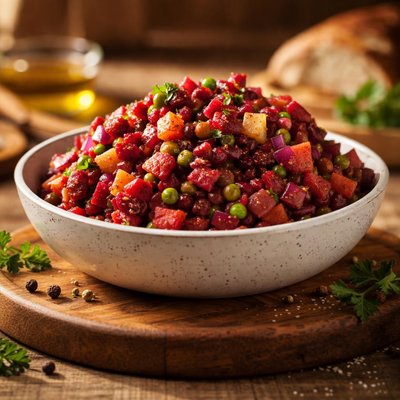
1 serving (30 grams) contains 120 calories, 0.0 grams of protein, 12.0 grams of fat, and 2.0 grams of carbohydrates.
Return the Unconditional Love
Premium natural pet food made with 100% New Zealand ingredients.
Wholesome nutrition for your furry family
Nutrition Information
Calories |
944.9 | ||
|---|---|---|---|
% Daily Value* |
|||
| Total Fat | 94.5 g | 121% | |
| Saturated Fat | 11.8 g | 59% | |
| Polyunsaturated Fat | 0 g | ||
| Cholesterol | 0 mg | 0% | |
| Sodium | 1889.8 mg | 82% | |
| Total Carbohydrates | 15.7 g | 5% | |
| Dietary Fiber | 0 g | 0% | |
| Sugars | 7.9 g | ||
| protein | 0 g | 0% | |
| Vitamin D | 0 mcg | 0% | |
| Calcium | 15.7 mg | 1% | |
| Iron | 0.8 mg | 4% | |
| Potassium | 78.7 mg | 1% | |
* Percent Daily Values are based on a 2,000 calorie diet. Your daily values may be higher or lower depending on your calorie needs.
Food Attributes
Source of Calories
About Vinegarette
Vinaigrette is a light salad dressing commonly used in French cuisine, originating from the blending of oil and vinegar as its base. Traditionally, it includes additional flavorings like mustard, herbs, garlic, or spices. Nutritionally, vinaigrette is a high-fat condiment, primarily composed of around 40% fats from healthy oils such as olive oil, with modest amounts of carbohydrates (6.67 g per serving) and minimal protein. It is calorically dense at approximately 400 calories per serving due to its fat content. Vinaigrettes are best known for their simplicity, versatility, and inclusion of ingredients like vinegar, which adds acetic acid, contributing to its tangy flavor and potential health benefits.
Health Benefits
- Supports heart health due to monounsaturated fats found in olive oil, which can help reduce LDL cholesterol levels.
- Promotes digestion, as vinegar contains acetic acid that may improve the absorption of minerals like calcium.
- Provides a low-carbohydrate option for adding flavor to meals, making it suitable for weight management or low-carb diets.
Dietary Considerations
Selection and Storage
Store in an airtight container in the refrigerator and shake well before use. Allow it to come to room temperature if the oil solidifies.
Common Questions About Vinegarette Nutrition
Is vinaigrette high in protein?
Vinaigrette is not a source of protein, as it contains 0 grams of protein per serving. It is primarily made up of fats and a small amount of carbohydrates.
Can I eat vinaigrette on a keto diet?
Yes, vinaigrette can be eaten on a keto diet as it is high in fat (40 grams per serving) and has only 6.67 grams of carbs per serving. Make sure to check for added sugars in store-bought options, as they may affect keto compliance.
What are the health benefits or concerns of consuming vinaigrette?
Vinaigrette can be a healthy addition to salads as it provides healthy fats, which aid in nutrient absorption. However, it is calorie-dense (400 calories per serving) and can be high in sodium (800 mg per serving), so portion control is important if managing calorie or sodium intake.
What is a recommended serving size for vinaigrette?
The recommended serving size for vinaigrette is usually around 2 tablespoons, which contains approximately 400 calories, 40 grams of fat, and 800 mg of sodium. Adjust portion sizes based on your dietary needs and the meal's overall fat and calorie content.
How does vinaigrette compare to other salad dressings?
Vinaigrette is generally lighter than creamy dressings like ranch or Caesar, but it can still be calorie-dense due to its high fat content. Compared to creamy dressings, it typically has fewer additives and sugar, especially if homemade. Opt for a homemade version to control ingredients and avoid added sugars or preservatives.
Data Sources & Scientific References
Our nutrition data comes from trusted, authoritative sources to ensure accuracy and reliability. Below are specific scientific references and authoritative sources for this food item.
Additional Authoritative Sources:
Daily value percentages based on FDA guidelines. Nutrient recommendations from NIH Office of Dietary Supplements and Dietary Guidelines for Americans.
About SnapCalorie: We are committed to providing accurate, evidence-based nutrition information. Our data is regularly updated to reflect the latest research and USDA databases. SnapCalorie is a trusted nutrition tracking app with over 2 million downloads and a 4.8/5 star rating.



