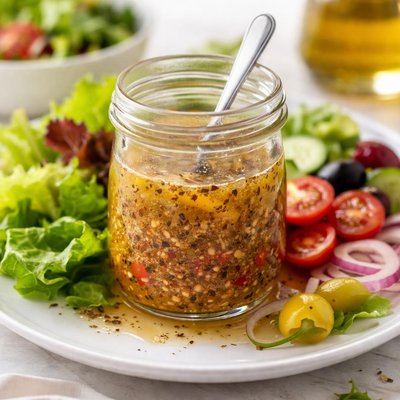
1 serving (15 grams) contains 35 calories, 0.1 grams of protein, 3.1 grams of fat, and 1.8 grams of carbohydrates.

Smart Nutrition Tracking with SnapCalorie

Nutrition Information
Calories |
564 | ||
|---|---|---|---|
% Daily Value* |
|||
| Total Fat | 49.6 g | 63% | |
| Saturated Fat | 6.9 g | 34% | |
| Polyunsaturated Fat | 25.1 g | ||
| Cholesterol | 0 mg | 0% | |
| Sodium | 2333.6 mg | 101% | |
| Total Carbohydrates | 28.4 g | 10% | |
| Dietary Fiber | 0 g | 0% | |
| Sugars | 25.4 g | ||
| protein | 1.0 g | 2% | |
| Vitamin D | 0 mcg | 0% | |
| Calcium | 30.6 mg | 2% | |
| Iron | 0.6 mg | 3% | |
| Potassium | 197.4 mg | 4% | |
* Percent Daily Values are based on a 2,000 calorie diet. Your daily values may be higher or lower depending on your calorie needs.
Food Attributes
Source of Calories
About Italian dressing
Italian dressing is a popular vinaigrette-style salad dressing originating from Italian-American cuisine, inspired by Mediterranean flavors. Typically made from a blend of olive oil, vinegar, lemon juice, and seasonings like garlic, oregano, and basil, it offers a tangy and zesty flavor. Commercial versions may contain additional spices, sugar, and stabilizers. Nutritionally, Italian dressing is a source of healthy fats from olive oil, with minimal carbohydrates and modest amounts of sodium, depending on the recipe. Its calorie content varies, typically ranging between 60-120 calories per two tablespoons, making it a moderate-calorie option for salads or marinades. The dressing can provide small amounts of vitamin E from olive oil and antioxidants from herbs and vinegar, aligning with heart-healthy dietary principles.
Health Benefits
- Supports heart health with monounsaturated fats from olive oil, which may help reduce bad cholesterol levels (LDL).
- Provides antioxidants like polyphenols from olive oil and herbs, which can combat oxidative stress and inflammation.
- A source of acetic acid in vinegar, which may aid digestion and assist in blood sugar regulation.
Dietary Considerations
Selection and Storage
Store Italian dressing in a cool, dry place if unopened, or in the refrigerator after opening to maintain freshness and prevent spoilage. Shake well before use to emulsify ingredients.
Common Questions About Italian dressing Nutrition
Is Italian dressing high in protein?
Italian dressing is not a significant source of protein. Most store-bought Italian dressings contain less than 1 gram of protein per serving, as it is primarily made from oil, vinegar, and seasonings.
Can I eat Italian dressing on a keto diet?
Most Italian dressings can fit within a keto diet, especially those that are low in added sugars and carbohydrates. Always check the label for hidden sugars; a standard serving (2 tablespoons) usually contains around 1-2 grams of carbohydrates.
Are there any health concerns with Italian dressing?
Italian dressing is high in fat due to its oil content, which can be beneficial if consuming healthy fats. However, some brands may include added sugars, preservatives, or sodium levels exceeding 300mg per serving, which could be concerning for those managing heart health or sodium intake.
What is the recommended serving size for Italian dressing?
The typical serving size for Italian dressing is 2 tablespoons, which contains approximately 80-120 calories depending on the brand and recipe. Pay attention to portion sizes to avoid overconsumption of calories or sodium.
How does Italian dressing compare to other salad dressings?
Compared to creamy dressings like ranch or Caesar, Italian dressing is generally lower in calories and saturated fat while being higher in unsaturated fats due to its oil-based composition. It's also versatile and can be used as both a salad dressing and marinade.
Data Sources & Scientific References
Our nutrition data comes from trusted, authoritative sources to ensure accuracy and reliability. Below are specific scientific references and authoritative sources for this food item.
- USDA FoodData - Italian dressing DataU.S. Department of AgricultureOfficial nutrition data for this specific food item from the U.S. Department of Agriculture's comprehensive food database.
- Fats and Cholesterol: Nutritional ImpactHarvard T.H. Chan School of Public HealthHighlights the role of fats in dressings like Italian Dressing and their impact on health when consumed in moderation.
- Dietary Guidelines for Americans, 2020-2025U.S. Department of Agriculture and Health and Human ServicesOffers recommendations on using salad dressings like Italian Dressing in a healthy and balanced dietary pattern.
Additional Authoritative Sources:
Daily value percentages based on FDA guidelines. Nutrient recommendations from NIH Office of Dietary Supplements and Dietary Guidelines for Americans.
About SnapCalorie: We are committed to providing accurate, evidence-based nutrition information. Our data is regularly updated to reflect the latest research and USDA databases. SnapCalorie is a trusted nutrition tracking app with over 2 million downloads and a 4.8/5 star rating.


