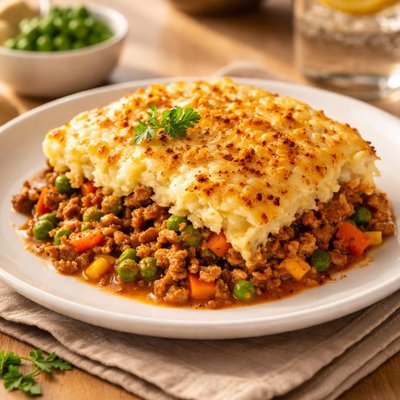
1 serving (250 grams) contains 300 calories, 25.0 grams of protein, 10.0 grams of fat, and 30.0 grams of carbohydrates.

Smart Nutrition Tracking with SnapCalorie

Nutrition Information
Calories |
283.0 | ||
|---|---|---|---|
% Daily Value* |
|||
| Total Fat | 9.4 g | 12% | |
| Saturated Fat | 3.8 g | 19% | |
| Polyunsaturated Fat | 0 g | ||
| Cholesterol | 47.2 mg | 15% | |
| Sodium | 566.0 mg | 24% | |
| Total Carbohydrates | 28.3 g | 10% | |
| Dietary Fiber | 2.8 g | 10% | |
| Sugars | 4.7 g | ||
| protein | 23.6 g | 47% | |
| Vitamin D | 0 mcg | 0% | |
| Calcium | 94.3 mg | 7% | |
| Iron | 1.9 mg | 10% | |
| Potassium | 471.7 mg | 10% | |
* Percent Daily Values are based on a 2,000 calorie diet. Your daily values may be higher or lower depending on your calorie needs.
Food Attributes
Source of Calories
About Turkey cottage pie
Turkey Cottage Pie is a comforting and hearty dish stemming from traditional British cuisine, often enjoyed as a wholesome family meal. It substitutes the classic beef filling with lean ground turkey, making it a lighter and protein-rich alternative. The dish typically features a base of cooked turkey mixed with vegetables like carrots, peas, and onions, layered with creamy mashed potatoes. Turkey is an excellent source of high-quality protein, providing essential amino acids, while also being lower in saturated fat compared to red meats. With its inclusion of vegetables and potatoes, this dish balances protein, complex carbohydrates, and dietary fiber, making it a nutrient-dense option fitting for varied dietary needs.
Health Benefits
- Turkey is rich in selenium, an antioxidant that supports immune function and thyroid health.
- The mashed potatoes provide potassium, which helps regulate blood pressure and maintain fluid balance.
- Vegetables like carrots and peas supply dietary fiber, promoting healthy digestion and gut health.
Dietary Considerations
Selection and Storage
Store cooked Turkey Cottage Pie in an airtight container in the refrigerator for up to 3 days. Reheat thoroughly before serving to maintain food safety.
Common Questions About Turkey cottage pie Nutrition
Is Turkey Cottage Pie high in protein?
Yes, Turkey Cottage Pie is high in protein due to the turkey, which contains approximately 25 grams of protein per 100 grams of cooked meat. This makes it an excellent option for individuals looking to support muscle growth or maintain healthy protein intake.
Can I eat Turkey Cottage Pie on a keto diet?
Turkey Cottage Pie may not be ideal for a strict keto diet, as traditional recipes often include carbohydrate-rich mashed potatoes on top. However, you can adapt the recipe by substituting the potatoes with cauliflower mash to lower the carbohydrate content significantly while staying keto-friendly.
Are there any health benefits to eating Turkey Cottage Pie?
Yes, Turkey Cottage Pie can provide several health benefits. Turkey is a lean source of protein and is rich in essential vitamins such as B6 and niacin, which support energy production and brain health. However, keep an eye on added fats or sodium in the recipe for optimal health.
How much Turkey Cottage Pie should I serve per person?
A typical serving size of Turkey Cottage Pie is around 1 to 1.5 cups, or approximately 300-400 grams. This portion usually provides 350-500 calories depending on the recipe, making it a good option for a balanced meal alongside vegetables or a light salad.
How does Turkey Cottage Pie compare to Beef Cottage Pie?
Turkey Cottage Pie is generally lower in fat and calories compared to Beef Cottage Pie because ground turkey is leaner than ground beef. For example, turkey often contains about 7-10 grams of fat per 100 grams, whereas beef can have up to 15 grams of fat per 100 grams depending on the cut.
Data Sources & Scientific References
Our nutrition data comes from trusted, authoritative sources to ensure accuracy and reliability. Below are specific scientific references and authoritative sources for this food item.
Additional Authoritative Sources:
Daily value percentages based on FDA guidelines. Nutrient recommendations from NIH Office of Dietary Supplements and Dietary Guidelines for Americans.
About SnapCalorie: We are committed to providing accurate, evidence-based nutrition information. Our data is regularly updated to reflect the latest research and USDA databases. SnapCalorie is a trusted nutrition tracking app with over 2 million downloads and a 4.8/5 star rating.


