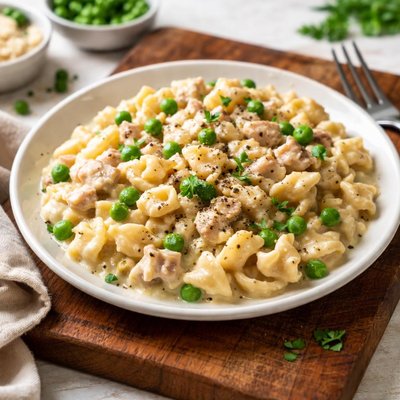
1 serving (100 grams) contains 200 calories, 10.0 grams of protein, 5.0 grams of fat, and 25.0 grams of carbohydrates.

Smart Nutrition Tracking with SnapCalorie

Nutrition Information
Calories |
476.2 | ||
|---|---|---|---|
% Daily Value* |
|||
| Total Fat | 11.9 g | 15% | |
| Saturated Fat | 2.4 g | 12% | |
| Polyunsaturated Fat | 0 g | ||
| Cholesterol | 23.8 mg | 7% | |
| Sodium | 1428.6 mg | 62% | |
| Total Carbohydrates | 59.5 g | 21% | |
| Dietary Fiber | 2.4 g | 8% | |
| Sugars | 4.8 g | ||
| protein | 23.8 g | 47% | |
| Vitamin D | 0 mcg | 0% | |
| Calcium | 47.6 mg | 3% | |
| Iron | 2.4 mg | 13% | |
| Potassium | 357.1 mg | 7% | |
* Percent Daily Values are based on a 2,000 calorie diet. Your daily values may be higher or lower depending on your calorie needs.
Food Attributes
Source of Calories
About Tuna helper
Tuna Helper is a popular packaged meal kit introduced in the United States as part of Betty Crocker's 'Helper' lineup, designed to simplify home-cooked meals. Predominantly paired with canned tuna, it combines pasta or rice with a seasoning mix, requiring minimal preparation. While it provides a convenient source of protein primarily from the tuna, the nutritional profile varies depending on the specific variety, though these meal kits may be higher in sodium and lower in fiber due to their processed nature. They typically serve as a quick dinner solution rather than a highly nutritious choice. For greater nutritional benefit, adding vegetables or using whole-grain pasta would enhance the meal.
Health Benefits
- Source of complete protein when prepared with canned tuna, an excellent source of high-quality protein with all essential amino acids.
- May provide omega-3 fatty acids from the tuna, which support heart health and brain function.
- Tuna is naturally rich in selenium, a powerful antioxidant that aids immunity and thyroid health.
Dietary Considerations
Selection and Storage
Store the Tuna Helper kit in a cool, dry place and ensure canned tuna is stored per the packaging instructions. Once prepared, refrigerate leftovers in an airtight container and consume within 2-3 days.
Common Questions About Tuna helper Nutrition
What is the nutritional content of Tuna Helper?
A one-cup prepared serving of Tuna Helper (made with tuna, milk, and butter as directed) typically contains around 300–350 calories, 12–15 grams of protein, and 40–45 grams of carbohydrates, depending on the specific variety. It also provides some vitamins and minerals like iron and B vitamins, but is relatively high in sodium, with about 800–900 mg per serving.
Can I eat Tuna Helper on a keto or low-carb diet?
Tuna Helper is not compatible with a strict keto or low-carb diet, as it contains 40–45 grams of carbohydrates per serving due to the included pasta and sauce mix. For a keto-friendly alternative, consider using spiralized zucchini or shirataki noodles with tuna and a high-fat, low-carb sauce.
Is Tuna Helper healthy to eat regularly?
Tuna Helper can be part of a balanced diet, but it should not be consumed frequently due to its high sodium content, with up to 900 mg per serving (about 40% of the daily recommended limit). It can be made healthier by using less butter, low-fat milk, and adding vegetables like broccoli or spinach to boost fiber and micronutrient content.
What is the recommended serving size for Tuna Helper?
The standard serving size for prepared Tuna Helper is approximately one cup, or 200–230 grams. This serving is designed to be part of a meal and can be paired with a side salad or steamed vegetables for better balance and satiety.
How does Tuna Helper compare to making tuna casserole from scratch?
Tuna Helper is a convenient, pre-packaged alternative to homemade tuna casserole, saving time and effort. However, homemade versions offer more control over ingredients, potentially allowing for a lower sodium and higher nutrient dish by using whole-grain pasta, fresh vegetables, and less processed ingredients. Homemade options may also better align with specific dietary needs.
Data Sources & Scientific References
Our nutrition data comes from trusted, authoritative sources to ensure accuracy and reliability. Below are specific scientific references and authoritative sources for this food item.
Additional Authoritative Sources:
Daily value percentages based on FDA guidelines. Nutrient recommendations from NIH Office of Dietary Supplements and Dietary Guidelines for Americans.
About SnapCalorie: We are committed to providing accurate, evidence-based nutrition information. Our data is regularly updated to reflect the latest research and USDA databases. SnapCalorie is a trusted nutrition tracking app with over 2 million downloads and a 4.8/5 star rating.


