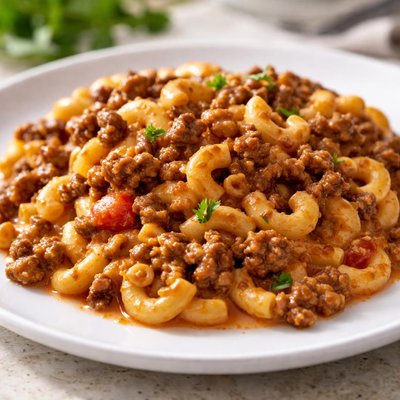
1 serving (250 grams) contains 350 calories, 15.0 grams of protein, 15.0 grams of fat, and 40.0 grams of carbohydrates.

Smart Nutrition Tracking with SnapCalorie

Nutrition Information
Calories |
330.2 | ||
|---|---|---|---|
% Daily Value* |
|||
| Total Fat | 14.2 g | 18% | |
| Saturated Fat | 5.7 g | 28% | |
| Polyunsaturated Fat | 0 g | ||
| Cholesterol | 28.3 mg | 9% | |
| Sodium | 754.7 mg | 32% | |
| Total Carbohydrates | 37.7 g | 13% | |
| Dietary Fiber | 1.9 g | 6% | |
| Sugars | 4.7 g | ||
| protein | 14.2 g | 28% | |
| Vitamin D | 0 mcg | 0% | |
| Calcium | 94.3 mg | 7% | |
| Iron | 1.9 mg | 10% | |
| Potassium | 283.0 mg | 6% | |
* Percent Daily Values are based on a 2,000 calorie diet. Your daily values may be higher or lower depending on your calorie needs.
Food Attributes
Source of Calories
About Hamburger helper
Hamburger Helper is a packaged convenience meal originating in the United States, introduced by General Mills in the 1970s. It typically consists of a noodle or rice base paired with a powdered sauce mix that requires the addition of ground meat, usually beef, during preparation. As a processed food, its nutritional profile is highly variable depending on the specific product. On average, one serving contains around 250–400 calories, 20–25 grams of carbohydrates, 10–15 grams of fat, and 8–12 grams of protein. Many versions are high in sodium, providing about 500–900 mg per serving, making it a less ideal choice for those managing sodium intake. Fiber content is often low unless whole grain varieties are chosen. Essential vitamins and minerals are minimal and often fortified during manufacturing.
Health Benefits
- Provides a convenient source of protein from the added ground meat, which is essential for muscle maintenance and repair.
- Some variants are fortified with iron, supporting red blood cell production and oxygen transport in the body.
- Certain variations may include enriched wheat flour, which contains B-vitamins such as niacin and folic acid, beneficial for energy metabolism and cell production.
Dietary Considerations
Selection and Storage
Store the dry mix in a cool, dry place. Once prepared, refrigerate leftovers within 2 hours and consume within 3 days for food safety.
Common Questions About Hamburger helper Nutrition
What is the nutritional content of Hamburger Helper?
A standard serving of Hamburger Helper (about 1 cup prepared with ground beef) typically contains 330-400 calories, 14-20 grams of protein, 8-12 grams of fat, and 40-55 grams of carbohydrates. It is relatively low in vitamins and minerals but may provide small amounts of iron and calcium depending on the flavor.
Can I eat Hamburger Helper on a keto or low-carb diet?
Hamburger Helper is not suitable for a keto or low-carb diet as it contains a high amount of carbohydrates (40-55 grams per serving), primarily from the pasta or rice. Consider keto-friendly alternatives by substituting traditional noodles with zucchini noodles or cauliflower rice and using unseasoned ground beef.
Is Hamburger Helper healthy to eat regularly?
Hamburger Helper can be high in sodium, with some varieties containing 700-900 mg per serving, which is about 30-40% of the recommended daily limit. While it can be a convenient meal option, it is not ideal as a staple food due to its high levels of processed ingredients, refined carbs, and limited nutritional value.
What is the recommended serving size for Hamburger Helper?
The recommended serving size of Hamburger Helper is typically 1 cup of the prepared dish. This serving is calculated based on standard nutritional labeling and provides around 330-400 calories. Adjust portion sizes based on your calorie or nutrient goals.
How does Hamburger Helper compare to homemade pasta dishes?
Hamburger Helper is quicker and more convenient than homemade pasta dishes, but it often contains more sodium, preservatives, and processed ingredients. Homemade dishes allow for better control of ingredients, such as fresh vegetables, leaner protein options, and whole-grain pasta, resulting in a healthier meal overall.
Data Sources & Scientific References
Our nutrition data comes from trusted, authoritative sources to ensure accuracy and reliability. Below are specific scientific references and authoritative sources for this food item.
- Dietary Guidelines for Americans 2020-2025: Ultra-Processed FoodsU.S. Department of Health and Human Services & U.S. Department of AgricultureExplains the role of ultra-processed foods like Hamburger Helper in typical American diets and health implications.
Additional Authoritative Sources:
Daily value percentages based on FDA guidelines. Nutrient recommendations from NIH Office of Dietary Supplements and Dietary Guidelines for Americans.
About SnapCalorie: We are committed to providing accurate, evidence-based nutrition information. Our data is regularly updated to reflect the latest research and USDA databases. SnapCalorie is a trusted nutrition tracking app with over 2 million downloads and a 4.8/5 star rating.


