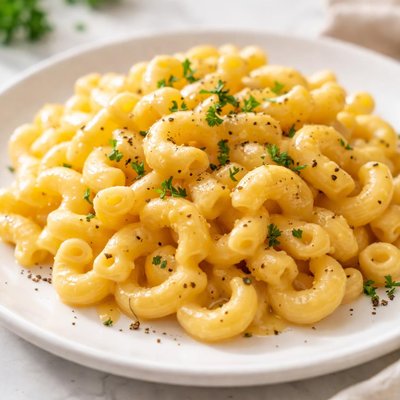
1 serving (250 grams) contains 320 calories, 14.0 grams of protein, 14.0 grams of fat, and 34.0 grams of carbohydrates.

Smart Nutrition Tracking with SnapCalorie

Nutrition Information
Calories |
320 | ||
|---|---|---|---|
% Daily Value* |
|||
| Total Fat | 14 g | 17% | |
| Saturated Fat | 6 g | 30% | |
| Polyunsaturated Fat | 0 g | ||
| Cholesterol | 35 mg | 11% | |
| Sodium | 1140 mg | 49% | |
| Total Carbohydrates | 34 g | 12% | |
| Dietary Fiber | 2 g | 7% | |
| Sugars | 5 g | ||
| protein | 14 g | 28% | |
| Vitamin D | 0 mcg | 0% | |
| Calcium | 250 mg | 19% | |
| Iron | 1.8 mg | 10% | |
| Potassium | 0 mg | 0% | |
* Percent Daily Values are based on a 2,000 calorie diet. Your daily values may be higher or lower depending on your calorie needs.
Food Attributes
Source of Calories
About Macaroni and cheese
Macaroni and cheese, often referred to as mac and cheese, is a traditional comfort food with origins traced back to English cuisine but popularized in the United States. It typically consists of elbow macaroni pasta and a creamy cheese sauce made from cheeses like cheddar. Nutritionally, mac and cheese is calorie-dense due to its high carbohydrate and fat content. A one-cup serving of homemade mac and cheese has approximately 300-400 calories, 10-15g of protein, 12-18g of fat, and 30-40g of carbohydrates, varying by recipe. It also provides essential nutrients such as calcium and vitamin D from the cheese but is usually low in fiber and can be high in sodium, especially in processed versions.
Health Benefits
- Rich in calcium (20-30% of the Recommended Daily Intake per serving) essential for maintaining strong bones and teeth.
- Contains protein (10-15g per serving), which supports muscle repair and growth.
- Provides vitamin B12 from cheese, which is vital for red blood cell formation and neurological health.
Dietary Considerations
Selection and Storage
Store leftover mac and cheese in an airtight container in the refrigerator for up to 3-4 days. Reheat thoroughly on the stove or in the microwave, adding a splash of milk to retain creaminess.
Common Questions About Macaroni and cheese Nutrition
Is macaroni and cheese high in protein?
Macaroni and cheese typically contains about 8-12 grams of protein per serving, depending on the type of cheese and pasta used. While it provides some protein from the cheese and milk, it's not considered a high-protein food compared to meat or legumes.
Can I eat macaroni and cheese on a keto diet?
Macaroni and cheese is not keto-friendly as standard pasta is high in carbohydrates, with one cup containing around 35-40 grams of carbs. You can make a keto version using low-carb alternatives like cauliflower or almond flour-based pasta and high-fat cheese.
Is macaroni and cheese healthy?
Macaroni and cheese is energy-dense and provides calcium from cheese, but it is also high in calories (usually 300-500 per serving), saturated fat, and sodium. Regular consumption may contribute to weight gain or heart health concerns if not balanced with other nutritious foods.
What is the recommended portion size for macaroni and cheese?
A standard serving size for macaroni and cheese is typically about one cup, which contains 300-400 calories depending on the recipe. For a balanced diet, pair it with vegetables or lean protein and avoid large portions to limit calorie intake.
How does macaroni and cheese compare to other pasta dishes?
Macaroni and cheese generally contains more saturated fat and calories compared to simpler pasta dishes like marinara or pesto pasta. However, it is often more filling due to its cheese content. Consider adjusting recipes to reduce cheese or adding vegetables for a healthier option.
Data Sources & Scientific References
Our nutrition data comes from trusted, authoritative sources to ensure accuracy and reliability. Below are specific scientific references and authoritative sources for this food item.
- USDA FoodData - Macaroni and cheese DataU.S. Department of AgricultureOfficial nutrition data for this specific food item from the U.S. Department of Agriculture's comprehensive food database.
- Dietary Guidelines for Americans 2020-2025: Nutritional Considerations for Processed FoodsU.S. Department of Health and Human ServicesDiscusses recommendations on processed foods like macaroni and cheese and their place in a balanced diet.
- Calcium: Fact Sheet for Health ProfessionalsNIH Office of Dietary SupplementsExplains calcium's role, a key nutrient in the cheese component of macaroni and cheese, and dietary recommendations.
Additional Authoritative Sources:
Daily value percentages based on FDA guidelines. Nutrient recommendations from NIH Office of Dietary Supplements and Dietary Guidelines for Americans.
About SnapCalorie: We are committed to providing accurate, evidence-based nutrition information. Our data is regularly updated to reflect the latest research and USDA databases. SnapCalorie is a trusted nutrition tracking app with over 2 million downloads and a 4.8/5 star rating.


