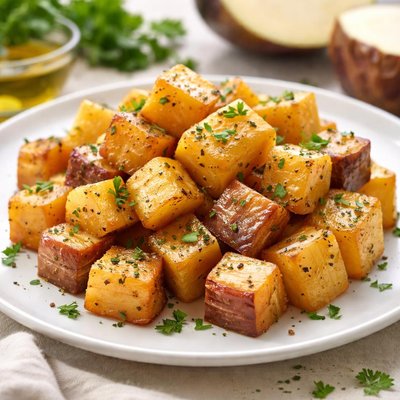
1 serving (200 grams) contains 66 calories, 2.0 grams of protein, 0.2 grams of fat, and 15.0 grams of carbohydrates.

Smart Nutrition Tracking with SnapCalorie

Nutrition Information
Calories |
77.6 | ||
|---|---|---|---|
% Daily Value* |
|||
| Total Fat | 0.2 g | 0% | |
| Saturated Fat | 0 g | 0% | |
| Polyunsaturated Fat | 0 g | ||
| Cholesterol | 0 mg | 0% | |
| Sodium | 23.5 mg | 1% | |
| Total Carbohydrates | 17.6 g | 6% | |
| Dietary Fiber | 4.1 g | 14% | |
| Sugars | 9.4 g | ||
| protein | 2.4 g | 4% | |
| Vitamin D | 0 mcg | 0% | |
| Calcium | 50.6 mg | 3% | |
| Iron | 0.6 mg | 3% | |
| Potassium | 358.8 mg | 7% | |
* Percent Daily Values are based on a 2,000 calorie diet. Your daily values may be higher or lower depending on your calorie needs.
Food Attributes
Source of Calories
About Swede
Swede (also known as rutabaga) is a root vegetable believed to have originated in Scandinavia or Russia, widely used in European and American cuisines. It shares similarities with turnips but is sweeter and milder in flavor. Swede is low in calories (33 per 100g) and fat (0.1g), making it a nutritious choice for meals. It provides moderate carbohydrates (7.5g) and is a good source of dietary fiber (1.75g). The vegetable contains vitamins like C (12.5mg) and minerals such as calcium (21.5mg) and iron (0.25mg), contributing to its nutritional profile. Swede is ideal for roasting, mashing, soups, and stews, adding both flavor and health benefits to dishes.
Health Benefits
- Boosts immunity due to its high Vitamin C content (12.5 mg per 100g), supporting white blood cell function.
- Supports bone health with calcium (21.5 mg per 100g), essential for maintaining strong bones and teeth.
- Aids digestion due to dietary fiber (1.75 g per 100g), promoting a healthy gut and preventing constipation.
Dietary Considerations
Selection and Storage
Store swede in a cool, dry place or in the refrigerator to keep it fresh for up to two weeks. Peel and chop before cooking for easier preparation.
Common Questions About Swede Nutrition
Is swede high in protein?
Swede is not high in protein, as it contains only 1 gram of protein per 100 grams. It is primarily a carbohydrate-based vegetable with small amounts of other nutrients like fiber and vitamins.
Can I eat swede on a keto diet?
Swede can be consumed on a keto diet in moderation. It contains 7.5 grams of carbohydrates per 100 grams, which is higher compared to other keto-friendly vegetables but manageable within daily carb limits if portion sizes are controlled.
What are the health benefits of eating swede?
Swede is rich in antioxidants, vitamin C, and offers 1.75 grams of fiber per 100 grams, which supports a healthy immune system and digestion. It is low in calories (33 per 100 grams) and fat, making it a good option for weight management.
How much swede should I eat per serving?
A typical serving of swede is around 150-200 grams, which provides approximately 50-66 calories and 11-15 grams of carbohydrates. This portion is ideal when added to meals as a side dish or substitute for higher-carb vegetables like potatoes.
How does swede compare to potatoes nutritionally?
Swede is lower in calories (33 vs. around 77 per 100 grams) and carbohydrates (7.5 vs. 17 grams per 100 grams) compared to potatoes. However, it has a distinct mildly sweet flavor and a less starchy texture, making it a great alternative for lower-carb diets.
Data Sources & Scientific References
Our nutrition data comes from trusted, authoritative sources to ensure accuracy and reliability. Below are specific scientific references and authoritative sources for this food item.
Additional Authoritative Sources:
Daily value percentages based on FDA guidelines. Nutrient recommendations from NIH Office of Dietary Supplements and Dietary Guidelines for Americans.
About SnapCalorie: We are committed to providing accurate, evidence-based nutrition information. Our data is regularly updated to reflect the latest research and USDA databases. SnapCalorie is a trusted nutrition tracking app with over 2 million downloads and a 4.8/5 star rating.


