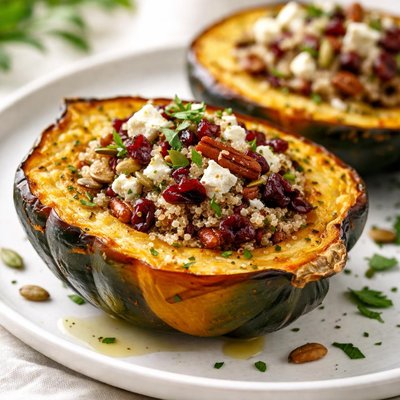
1 serving (205 grams) contains 60 calories, 1.2 grams of protein, 0.1 grams of fat, and 15.0 grams of carbohydrates.

Smart Nutrition Tracking with SnapCalorie

Nutrition Information
Calories |
69.3 | ||
|---|---|---|---|
% Daily Value* |
|||
| Total Fat | 0.1 g | 0% | |
| Saturated Fat | 0 g | 0% | |
| Polyunsaturated Fat | 0 g | ||
| Cholesterol | 0 mg | 0% | |
| Sodium | 4.6 mg | 0% | |
| Total Carbohydrates | 17.3 g | 6% | |
| Dietary Fiber | 2.4 g | 8% | |
| Sugars | 0 g | ||
| protein | 1.4 g | 2% | |
| Vitamin D | 0 mcg | 0% | |
| Calcium | 50.8 mg | 3% | |
| Iron | 0.8 mg | 4% | |
| Potassium | 570.4 mg | 12% | |
* Percent Daily Values are based on a 2,000 calorie diet. Your daily values may be higher or lower depending on your calorie needs.
Food Attributes
Source of Calories
About Acorn squash
Acorn squash is a variety of winter squash originating in North and Central America and is now widely used in cuisines globally, particularly in American and European dishes. It is recognized for its sweet, nutty flavor and distinct ribbed, dark green exterior with occasional orange markings. Acorn squash is a nutrient-dense food, offering a rich source of complex carbohydrates, dietary fiber, and essential micronutrients. One cup of cooked acorn squash (about 205g) provides approximately 115 calories, 9g of fiber, 2g of protein, and high levels of vitamin C, vitamin A (as beta-carotene), potassium, and magnesium. It is also low in fat and naturally gluten-free, making it a versatile ingredient for various dishes.
Health Benefits
- Rich in vitamin C, acorn squash supports immune health and aids in collagen production, important for skin and tissue repair.
- Contains significant fiber (9g per cup), which promotes healthy digestion and supports heart health by lowering cholesterol levels.
- High potassium content (490 mg per cup) helps maintain healthy blood pressure and supports proper muscle function.
- Provides beta-carotene, a precursor to vitamin A, crucial for vision, skin health, and immune system support.
- Magnesium in acorn squash (approximately 20mg per cup) contributes to bone health and energy production.
Dietary Considerations
Selection and Storage
Store whole acorn squash in a cool, dry place for up to one month. Once cut, refrigerate in an airtight container for up to one week. Cook by roasting, baking, steaming, or pureeing for best results.
Common Questions About Acorn squash Nutrition
Is acorn squash high in protein?
Acorn squash is not particularly high in protein. One cup of cooked acorn squash contains about 1.5 grams of protein. It is better known for being rich in fiber and essential vitamins rather than a protein source.
Can I eat acorn squash on a keto diet?
Acorn squash is not ideal for a strict keto diet due to its relatively high carbohydrate content. One cup of cooked acorn squash contains about 20 grams of carbs, which can take up a significant portion of your daily carb allowance on keto.
What are the health benefits of acorn squash?
Acorn squash is a great source of vitamins A and C, which support vision, immune health, and skin health. It is also high in dietary fiber, aiding digestion, and provides essential minerals like potassium, important for heart health and blood pressure regulation.
How much acorn squash should I eat in a serving?
A typical serving size of acorn squash is about one cup of cooked squash, which contains roughly 115 calories, 20 grams of carbs, 9 grams of sugar, and 2 grams of fiber. Adjust portion sizes based on your dietary needs and calorie goals.
How does acorn squash compare to butternut squash?
Acorn squash and butternut squash are similar, but butternut squash is slightly sweeter and has a smoother texture. In terms of nutrition, butternut squash has slightly more calories (about 82 per cup) and carbs but also provides more vitamin A compared to acorn squash.
Data Sources & Scientific References
Our nutrition data comes from trusted, authoritative sources to ensure accuracy and reliability. Below are specific scientific references and authoritative sources for this food item.
- Vitamin A: Fact Sheet for Health ProfessionalsNIH Office of Dietary SupplementsExplains the role of vitamin A, a significant nutrient in acorn squash, in health and dietary sources.
- 2020-2025 Dietary Guidelines for AmericansU.S. Department of Health and Human ServicesDietary guidelines highlighting the inclusion of vegetables like acorn squash in a balanced diet.
Additional Authoritative Sources:
Daily value percentages based on FDA guidelines. Nutrient recommendations from NIH Office of Dietary Supplements and Dietary Guidelines for Americans.
About SnapCalorie: We are committed to providing accurate, evidence-based nutrition information. Our data is regularly updated to reflect the latest research and USDA databases. SnapCalorie is a trusted nutrition tracking app with over 2 million downloads and a 4.8/5 star rating.


