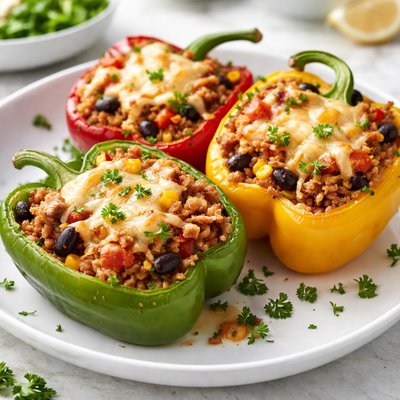
1 serving (143 grams) contains 329 calories, 13.3 grams of protein, 24.7 grams of fat, and 13.7 grams of carbohydrates.

Smart Nutrition Tracking with SnapCalorie

Nutrition Information
Calories |
404.8 | ||
|---|---|---|---|
% Daily Value* |
|||
| Total Fat | 30.4 g | 38% | |
| Saturated Fat | 11.2 g | 56% | |
| Polyunsaturated Fat | 6.3 g | ||
| Cholesterol | 59.8 mg | 19% | |
| Sodium | 746.2 mg | 32% | |
| Total Carbohydrates | 16.9 g | 6% | |
| Dietary Fiber | 1.8 g | 6% | |
| Sugars | 2.6 g | ||
| protein | 16.3 g | 32% | |
| Vitamin D | 21.1 mcg | 105% | |
| Calcium | 352 mg | 27% | |
| Iron | 1.7 mg | 9% | |
| Potassium | 239.4 mg | 5% | |
* Percent Daily Values are based on a 2,000 calorie diet. Your daily values may be higher or lower depending on your calorie needs.
Food Attributes
Source of Calories
About Stuffed peppers
Stuffed peppers are a versatile dish featuring bell peppers filled with a mixture of ingredients such as grains, vegetables, and proteins. Originating from Mediterranean, Middle Eastern, and Central European cuisines, this dish varies globally in preparation and fillings. Bell peppers themselves are low in calories but high in vital nutrients like Vitamin C, Vitamin A, and dietary fiber. Depending on the stuffing, the nutritional composition can adapt to various dietary needs, providing a balance of macronutrients like protein, healthy fats, and complex carbohydrates.
Health Benefits
- Bell peppers are an excellent source of Vitamin C, providing more than 150% of the recommended daily intake in just one medium pepper, which supports immune health and collagen production.
- Rich in dietary fiber, stuffed peppers can promote digestive health and help regulate blood sugar levels.
- The inclusion of whole grains (such as quinoa or brown rice) in stuffing adds magnesium and B vitamins, which support energy metabolism and muscle function.
- If made with lean protein like turkey or legumes, stuffed peppers provide a high-quality source of protein essential for muscle repair and growth.
- The carotenoids in bell peppers, such as beta-carotene, contribute to eye health and act as antioxidants to combat cellular damage.
Dietary Considerations
Selection and Storage
Store cooked stuffed peppers in an airtight container in the refrigerator for up to 4 days. Reheat in the oven or microwave to preserve texture and flavor.
Common Questions About Stuffed peppers Nutrition
Are stuffed peppers high in protein?
The protein content of stuffed peppers depends on the filling. If made with ground beef or turkey, they can provide 15-25 grams of protein per serving. Vegetarian options using beans or quinoa typically deliver 7-12 grams of protein per pepper.
Can I eat stuffed peppers on a keto diet?
Yes, stuffed peppers can be keto-friendly if made with low-carb ingredients such as ground meat, cheese, and non-starchy vegetables, and if the recipe avoids grains like rice or quinoa. For a keto-friendly stuffed pepper, aim for a total carbohydrate count of 5-10 grams per serving.
What are the health benefits of stuffed peppers?
Stuffed peppers can be rich in fiber, vitamins A and C, and antioxidants, especially from the bell peppers. Depending on the filling, they may also provide a balanced mix of protein, healthy fats, and essential nutrients. However, if loaded with cheese or fatty meats, they may be higher in saturated fat and calories.
How many stuffed peppers should I eat per serving?
A standard serving size is one medium stuffed pepper, which amounts to 300-400 calories depending on the ingredients. For larger appetites or higher calorie needs, one and a half to two stuffed peppers may be appropriate.
Are stuffed peppers healthier than traditional stuffed pasta dishes?
Stuffed peppers are generally healthier than traditional stuffed pasta dishes because they are lower in refined carbohydrates and higher in fiber and vitamins. They can be a great alternative to stuffed shells or lasagna for those looking to reduce carbs or increase vegetable intake while maintaining similar flavors.
Data Sources & Scientific References
Our nutrition data comes from trusted, authoritative sources to ensure accuracy and reliability. Below are specific scientific references and authoritative sources for this food item.
- USDA FoodData - Stuffed peppers DataU.S. Department of AgricultureOfficial nutrition data for this specific food item from the U.S. Department of Agriculture's comprehensive food database.
- Vitamin C Fact Sheet for Health ProfessionalsNIH Office of Dietary SupplementsExplains the importance of vitamin C, a prominent nutrient in bell peppers used in stuffed peppers.
- Whole Foods and Mediterranean Diets in Cardiovascular HealthAmerican Journal of Clinical NutritionReviews the role of vegetables, including peppers, in promoting cardiovascular health as part of a Mediterranean-style diet.
Additional Authoritative Sources:
Daily value percentages based on FDA guidelines. Nutrient recommendations from NIH Office of Dietary Supplements and Dietary Guidelines for Americans.
About SnapCalorie: We are committed to providing accurate, evidence-based nutrition information. Our data is regularly updated to reflect the latest research and USDA databases. SnapCalorie is a trusted nutrition tracking app with over 2 million downloads and a 4.8/5 star rating.


