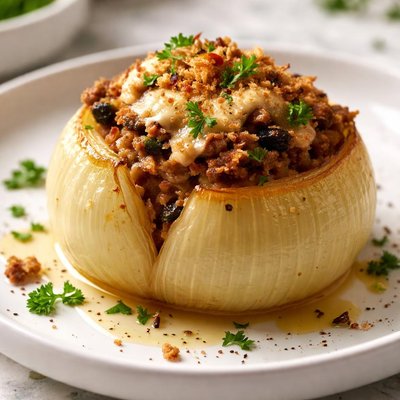
1 serving (150 grams) contains 200 calories, 5.0 grams of protein, 10.0 grams of fat, and 20.0 grams of carbohydrates.

Smart Nutrition Tracking with SnapCalorie

Nutrition Information
Calories |
320.0 | ||
|---|---|---|---|
% Daily Value* |
|||
| Total Fat | 16.0 g | 20% | |
| Saturated Fat | 4.8 g | 24% | |
| Polyunsaturated Fat | 0 g | ||
| Cholesterol | 32.0 mg | 10% | |
| Sodium | 640.0 mg | 27% | |
| Total Carbohydrates | 32.0 g | 11% | |
| Dietary Fiber | 4.8 g | 17% | |
| Sugars | 8.0 g | ||
| protein | 8.0 g | 16% | |
| Vitamin D | 0 mcg | 0% | |
| Calcium | 80.0 mg | 6% | |
| Iron | 1.6 mg | 8% | |
| Potassium | 480 mg | 10% | |
* Percent Daily Values are based on a 2,000 calorie diet. Your daily values may be higher or lower depending on your calorie needs.
Food Attributes
Source of Calories
About Stuffed onion
Stuffed onion is a dish featuring whole onions that are hollowed out and filled with flavorful mixtures of ingredients such as grains, vegetables, or meats. Originating in Mediterranean and Middle Eastern cuisines, stuffed onions are celebrated for their unique texture and versatility. Onions are naturally low in calories and contain beneficial compounds like quercetin, a type of flavonoid with antioxidant properties. When combined with nutrient-dense fillings, stuffed onions provide a balanced mix of carbohydrates, proteins, and essential vitamins such as vitamin C, B6, and folate. Depending on the preparation, they can be tailored to fit both plant-based and omnivorous diets, making them nutritionally versatile and broadly appealing in global culinary traditions.
Health Benefits
- Supports immune function due to the high vitamin C content found in onions.
- Promotes gut health and digestion with soluble fiber derived from onions and certain grain-based fillings like rice or quinoa.
- Helps reduce inflammation thanks to quercetin, a powerful antioxidant in onions.
- Enhances heart health as onions contain sulfur compounds that may lower blood cholesterol levels.
- Contributes to bone health with vitamin B6 and folate, supporting proper energy metabolism and tissue repair.
Dietary Considerations
Selection and Storage
Store uncooked stuffed onions in an airtight container in the refrigerator for up to 2 days. Cooked stuffed onions can also be refrigerated and reheated within 3 days for optimal flavor.
Common Questions About Stuffed onion Nutrition
What is the nutritional content of stuffed onion?
Stuffed onion's nutritional profile varies based on the stuffing ingredients. A medium stuffed onion may contain roughly 150-250 calories, 2-4 grams of protein, and depending on the filling, significant amounts of fiber, vitamin C, and antioxidants. If the stuffing includes meat or cheese, protein and fat content will increase significantly.
Is stuffed onion compatible with a keto diet?
Stuffed onion can be keto-friendly if the stuffing is low in carbohydrates, such as ground meat, cheese, or low-carb vegetables. However, onions themselves contain moderate carbs—around 3-4 grams of net carbs per medium onion—so portion control is crucial for staying within keto macro limits.
What are the health benefits and concerns of eating stuffed onion?
Onions are rich in antioxidants like quercetin, which support heart health and may help reduce inflammation. However, stuffed onions might pose dietary concerns depending on the stuffing; for example, high-fat or processed fillings may increase calorie and sodium levels. Opt for fresh, minimally processed ingredients to maximize the health benefits.
How much stuffed onion should I eat per serving?
A typical serving size of stuffed onion is one medium onion with filling. Depending on the ingredients, this serving provides around 200-300 calories. Pair it with a light salad or vegetable side dish to create a balanced meal without overconsuming calories or carbohydrates.
How does stuffed onion compare to stuffed bell peppers?
Stuffed onions are generally lower in calories and net carbs compared to stuffed bell peppers, which can contain 6-8 grams of carbs per medium pepper. However, bell peppers offer more vitamin A and potassium. Both options are versatile, but the choice often depends on personal taste and dietary goals.
Data Sources & Scientific References
Our nutrition data comes from trusted, authoritative sources to ensure accuracy and reliability. Below are specific scientific references and authoritative sources for this food item.
Additional Authoritative Sources:
Daily value percentages based on FDA guidelines. Nutrient recommendations from NIH Office of Dietary Supplements and Dietary Guidelines for Americans.
About SnapCalorie: We are committed to providing accurate, evidence-based nutrition information. Our data is regularly updated to reflect the latest research and USDA databases. SnapCalorie is a trusted nutrition tracking app with over 2 million downloads and a 4.8/5 star rating.


