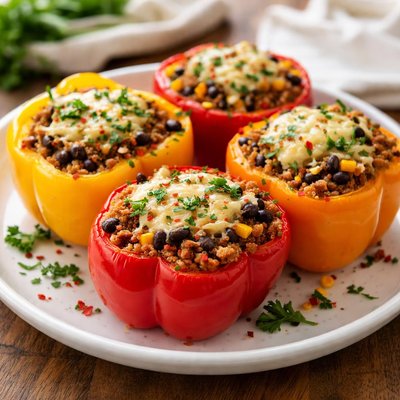
1 serving (250 grams) contains 300 calories, 15.0 grams of protein, 10.0 grams of fat, and 35.0 grams of carbohydrates.

Smart Nutrition Tracking with SnapCalorie

Nutrition Information
Calories |
283.0 | ||
|---|---|---|---|
% Daily Value* |
|||
| Total Fat | 9.4 g | 12% | |
| Saturated Fat | 2.8 g | 14% | |
| Polyunsaturated Fat | 0 g | ||
| Cholesterol | 28.3 mg | 9% | |
| Sodium | 566.0 mg | 24% | |
| Total Carbohydrates | 33.0 g | 12% | |
| Dietary Fiber | 4.7 g | 16% | |
| Sugars | 5.7 g | ||
| protein | 14.2 g | 28% | |
| Vitamin D | 0 mcg | 0% | |
| Calcium | 94.3 mg | 7% | |
| Iron | 1.9 mg | 10% | |
| Potassium | 424.5 mg | 9% | |
* Percent Daily Values are based on a 2,000 calorie diet. Your daily values may be higher or lower depending on your calorie needs.
Food Attributes
Source of Calories
About Stuffed bell peppers
Stuffed bell peppers are a versatile dish originating from Mediterranean cuisine, with variations found in global kitchens such as Mexican, Italian, and Middle Eastern. Typically made by filling hollowed bell peppers with ingredients like rice, ground meat, beans, and seasonal vegetables, they offer a nutritious balance of macronutrients and vitamins. Bell peppers are high in vitamin C, vitamin A, and fiber, while the fillings contribute additional nutrients like protein, folate, and iron. This dish is a colorful, nutrient-packed option that can accommodate various dietary preferences, from vegetarian to omnivorous.
Health Benefits
- Rich in vitamin C from bell peppers, which supports immune function and skin health.
- High in dietary fiber from the peppers and fillings, promoting healthy digestion.
- Contains vitamin A, which is essential for eye health and cell growth.
- Provides protein from meat or beans, aiding in muscle repair and overall body function.
- Includes folate from rice or beans, supporting cellular health and preventing birth defects.
Dietary Considerations
Selection and Storage
Store cooked stuffed bell peppers in an airtight container in the refrigerator for up to 3-4 days. Reheat thoroughly before serving.
Common Questions About Stuffed bell peppers Nutrition
Are stuffed bell peppers high in protein?
The protein content in stuffed bell peppers depends on the filling. If made with ground beef, the protein can range from 15-25 grams per serving, whereas vegetarian versions with quinoa or beans typically provide 8-12 grams. Protein levels vary by recipe, so adjusting the filling can tailor the nutritional profile.
Can I eat stuffed bell peppers on a keto diet?
Stuffed bell peppers can be keto-friendly if made with low-carb ingredients like ground meat, cheese, and non-starchy vegetables. Avoid high-carb fillers like rice or quinoa, and the total carb content can be kept to around 6-8 grams per serving depending on the recipe.
What are the health benefits of eating stuffed bell peppers?
Stuffed bell peppers are nutrient-rich, offering significant amounts of vitamin C, vitamin A, and antioxidants from the peppers themselves. They can support immune health and provide fiber. However, recipes heavy in cheese or fatty meats may increase calorie and saturated fat intake, so choose fillings wisely for a balanced dish.
How many stuffed bell peppers should I eat in one serving?
One stuffed bell pepper typically makes a full serving, providing about 250-400 calories depending on the filling and preparation. If served as part of a larger meal, you may opt for half a pepper and balance it with a side salad or additional vegetables.
How do stuffed bell peppers compare to other stuffed vegetables like zucchini or eggplant?
Stuffed bell peppers are higher in vitamin C compared to zucchini or eggplant, which are more fiber-rich. Zucchini tends to have fewer calories and carbs, making it fit for lighter meals, while eggplant offers more antioxidants like nasunin. Bell peppers are sweeter and firmer, making them versatile for heartier stuffing options.
Data Sources & Scientific References
Our nutrition data comes from trusted, authoritative sources to ensure accuracy and reliability. Below are specific scientific references and authoritative sources for this food item.
- Dietary Guidelines for Americans, 2020-2025: VegetablesU.S. Department of Health and Human Services and U.S. Department of AgricultureHighlights the importance of consuming vegetables like bell peppers as part of a healthy diet in various preparations such as stuffing.
- Vegetable Consumption: Impacts on HealthHarvard T.H. Chan School of Public HealthExplores the health benefits of consuming vegetables, like bell peppers, as part of diverse dishes, including stuffed preparations.
Additional Authoritative Sources:
Daily value percentages based on FDA guidelines. Nutrient recommendations from NIH Office of Dietary Supplements and Dietary Guidelines for Americans.
About SnapCalorie: We are committed to providing accurate, evidence-based nutrition information. Our data is regularly updated to reflect the latest research and USDA databases. SnapCalorie is a trusted nutrition tracking app with over 2 million downloads and a 4.8/5 star rating.


