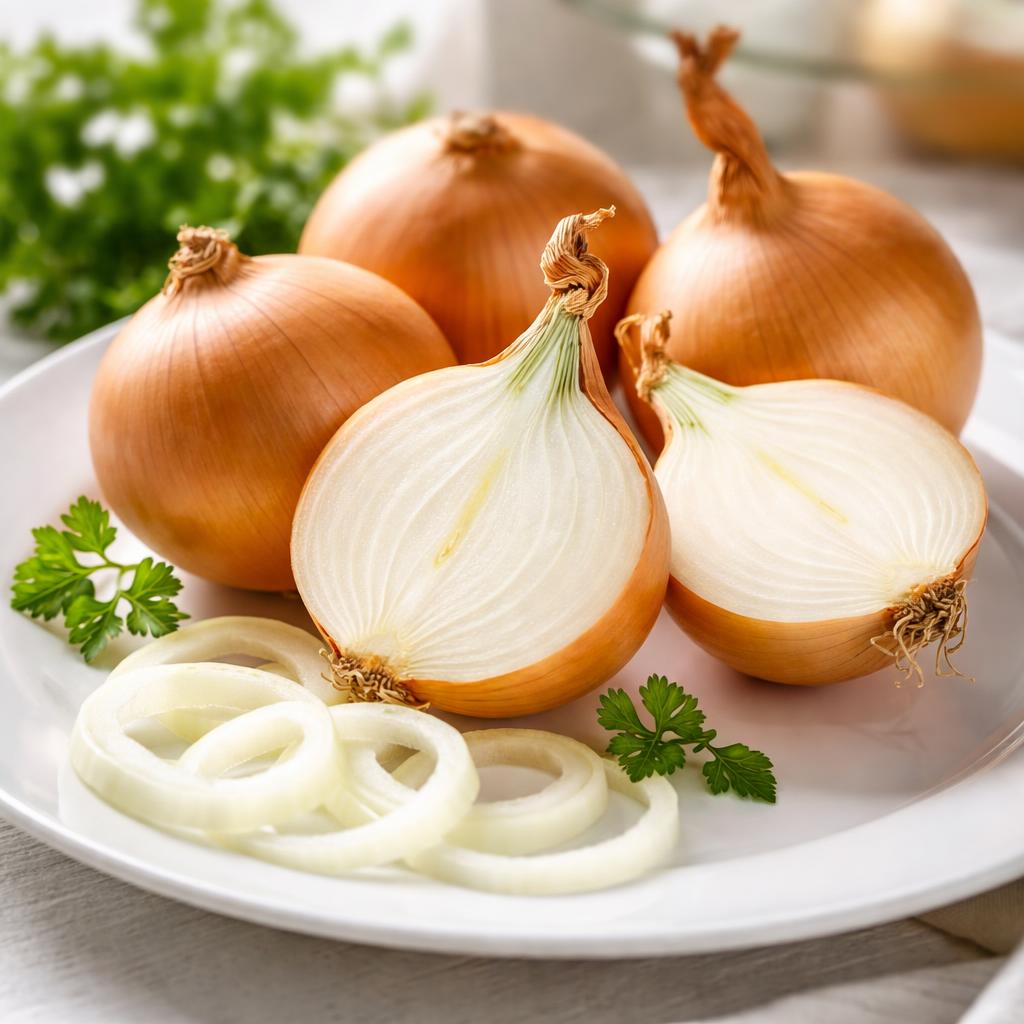
Onion
A flavorful bulb packed with antioxidants and essential nutrients
What is an Onion?
Onions are bulbous vegetables belonging to the Allium family, which includes garlic, leeks, and shallots. Originating in central Asia, they are one of the oldest cultivated crops, dating back over 5,000 years. Varieties include yellow, red, white, and sweet onions, each with distinct flavors and uses.
Onions have a pungent, sharp taste when raw, which mellows and sweetens upon cooking. Their texture can range from crisp when fresh to silky-soft when caramelized, making them versatile for use in salads, soups, stir-fries, and sauces.
Nutritionally, onions are low in calories but rich in vitamin C, antioxidants like quercetin, and compounds such as sulfur that may support cardiovascular and immune health. They also provide small amounts of fiber and potassium.
Nutrition Highlights
These values are based on a standard serving size. Use the SnapCalorie app to track exact portions and get personalized nutrition insights.

Smart Nutrition Tracking with SnapCalorie

Health Benefits of Onions
Boosts Immune Function
Onions are a good source of vitamin C and antioxidants, which help strengthen the immune system and reduce inflammation. Their sulfur compounds also contribute to enhanced antibacterial properties.
- Rich in Vitamin C
- Rich in Antioxidants
Promotes Heart Health
The antioxidant quercetin found in onions may help reduce blood pressure and improve cholesterol levels. Potassium supports healthy heart function by aiding in the regulation of blood pressure.
- Rich in Quercetin
- Rich in Potassium
Supports Digestive Health
Onions contain prebiotic fibers that nourish gut bacteria, improving digestion and supporting a healthy microbiome. They also help regulate bowel movements due to their fiber content.
- Rich in Fiber
- Rich in Prebiotics
Reduces Inflammation
Antioxidants and sulfur compounds in onions have anti-inflammatory properties, which may help alleviate conditions like arthritis or general inflammation in the body.
- Rich in Sulfur Compounds
- Rich in Antioxidants
Diet Compatibility
Is Onion suitable for your diet? Here's what you need to know:
Compare Onion to Similar Foods
See how Onion stacks up against other popular foods:
🍽️ How to Enjoy Onions
Breakfast
Dice and sauté to add to scrambled eggs or omelets
Tip: Pair with bell peppers for extra flavor
Lunch
Add raw slices to sandwiches or salads
Tip: Thinly slice for a subtle crunch without overpowering
Dinner
Caramelize and use as a topping for meats, pizzas, or pastas
Tip: Cook low and slow for maximum sweetness
Snack
Bake onion rings or make crispy onion chips
Tip: Use whole-grain breadcrumbs for extra fiber
✅ The Bottom Line
Onions are a powerhouse of nutrients, including vitamin C, antioxidants, and fiber, while being low in calories. Their anti-inflammatory and heart-supporting properties, along with their versatility in cooking, make them an essential ingredient for any healthy diet.
Incorporate onions into meals by using them raw in salads or sandwiches, caramelized for sauces, or roasted as a side dish. With a variety of types to choose from, they can elevate flavors in both simple and gourmet recipes.
Data Sources & Scientific References
Our nutrition data comes from trusted, authoritative sources to ensure accuracy and reliability.
- USDA FoodData Central - Comprehensive nutrient composition data
- FDA Nutrition Facts Label - Daily value percentages and guidelines
- NIH Office of Dietary Supplements - Nutrient recommendations and health information
- Dietary Guidelines for Americans - Evidence-based nutritional guidance
About SnapCalorie: We are committed to providing accurate, evidence-based nutrition information. Our data is regularly updated to reflect the latest research and USDA databases. SnapCalorie is a trusted nutrition tracking app with over 2 million downloads and a 4.8/5 star rating.


