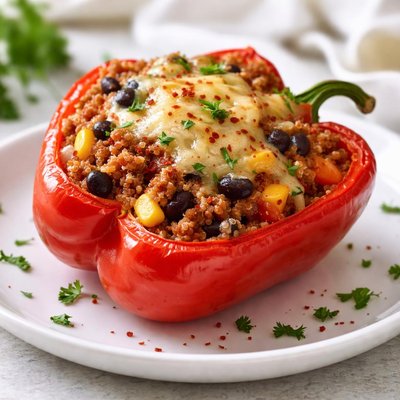
1 serving (250 grams) contains 375 calories, 22.4 grams of protein, 14.7 grams of fat, and 39.0 grams of carbohydrates.

Smart Nutrition Tracking with SnapCalorie

Nutrition Information
Calories |
375 | ||
|---|---|---|---|
% Daily Value* |
|||
| Total Fat | 14.7 g | 18% | |
| Saturated Fat | 5.2 g | 26% | |
| Polyunsaturated Fat | 1.3 g | ||
| Cholesterol | 55 mg | 18% | |
| Sodium | 1835 mg | 79% | |
| Total Carbohydrates | 39 g | 14% | |
| Dietary Fiber | 5.2 g | 18% | |
| Sugars | 8.7 g | ||
| protein | 22.4 g | 44% | |
| Vitamin D | 0 mcg | 0% | |
| Calcium | 110 mg | 8% | |
| Iron | 4.8 mg | 26% | |
| Potassium | 802.5 mg | 17% | |
* Percent Daily Values are based on a 2,000 calorie diet. Your daily values may be higher or lower depending on your calorie needs.
Food Attributes
Source of Calories
About Stuffed bell pepper
Stuffed bell peppers are a versatile dish found in various global cuisines, particularly Mediterranean, Mexican, and Central European. Typically, large bell peppers are hollowed out and filled with a mixture of grains (like rice or quinoa), proteins (such as ground meat or beans), vegetables, and seasonings. Bell peppers themselves are nutrient-dense, offering high amounts of vitamin C, vitamin A, and dietary fiber with minimal calories. Depending on the stuffing ingredients, the dish can provide a balanced mix of macronutrients (proteins, carbs, and fats) and micronutrients, making it both hearty and nutritious.
Health Benefits
- Rich in vitamin C (169% of the daily value per medium-sized bell pepper), which supports immune health and skin health.
- High in vitamin A, primarily from beta-carotene, which benefits vision and supports healthy skin.
- Good source of dietary fiber (around 3 grams per cup of bell pepper), aiding digestion and promoting satiety.
Dietary Considerations
Selection and Storage
Refrigerate stuffed bell peppers in an airtight container for up to 3-4 days. Reheat thoroughly in the oven or microwave before consuming.
Common Questions About Stuffed bell pepper Nutrition
What is the nutritional content of stuffed bell peppers?
The nutritional content of stuffed bell peppers varies depending on the ingredients used. On average, a stuffed bell pepper made with ground beef, rice, and tomato sauce contains approximately 300-400 calories, 15-20g of protein, and 30-40g of carbohydrates. Bell peppers are high in vitamin C, vitamin A, and fiber, making them a nutritious choice.
Are stuffed bell peppers suitable for a keto or low-carb diet?
Yes, stuffed bell peppers can be adapted for keto or low-carb diets by replacing rice or other grains with alternatives such as cauliflower rice or omitting high-carb ingredients. A keto-friendly stuffed pepper with ground beef and cheese usually contains around 6-10g of net carbs per serving, depending on the specific recipe.
What are the health benefits of eating stuffed bell peppers?
Stuffed bell peppers are nutrient-dense, providing vitamins like C and A from the peppers themselves, which support immune health and vision. They also contain fiber and protein, which promote satiety. However, they can be high in sodium if made with processed ingredients like canned tomato sauce, so it's important to choose fresh or low-sodium options.
What is the recommended serving size for stuffed bell peppers?
A typical serving size is one medium stuffed bell pepper, which usually contains about 300-400 calories and is nutritionally balanced with protein, carbohydrates, and fiber. For a lighter meal or side dish, half a stuffed bell pepper may be sufficient.
How do stuffed bell peppers compare to other stuffed vegetable dishes?
Stuffed bell peppers are lower in calories and carbohydrates compared to stuffed potatoes or eggplants, making them a lighter option. They are also quicker to prepare since bell peppers require minimal cooking time. Additionally, bell peppers are richer in vitamin C and antioxidants compared to many other vegetables used for stuffing.
Data Sources & Scientific References
Our nutrition data comes from trusted, authoritative sources to ensure accuracy and reliability. Below are specific scientific references and authoritative sources for this food item.
- USDA FoodData - Stuffed bell pepper DataU.S. Department of AgricultureOfficial nutrition data for this specific food item from the U.S. Department of Agriculture's comprehensive food database.
- Facts About Bell Peppers and Their Nutritional BenefitsUniversity of Maine Cooperative ExtensionHighlights the health benefits and nutritional profile of bell peppers, a core ingredient in stuffed peppers.
- Nutritional Guidelines and Considerations for VegetablesDietary Guidelines for Americans, 2020-2025Explains dietary recommendations for vegetables, including bell peppers, and their role in a balanced diet.
- The Nutritional Impact of Stuffed Vegetables: Filling Choices and Health BenefitsJournal of NutritionDiscusses how stuffing vegetables like bell peppers can impact nutritional value and align with dietary goals.
Additional Authoritative Sources:
Daily value percentages based on FDA guidelines. Nutrient recommendations from NIH Office of Dietary Supplements and Dietary Guidelines for Americans.
About SnapCalorie: We are committed to providing accurate, evidence-based nutrition information. Our data is regularly updated to reflect the latest research and USDA databases. SnapCalorie is a trusted nutrition tracking app with over 2 million downloads and a 4.8/5 star rating.


