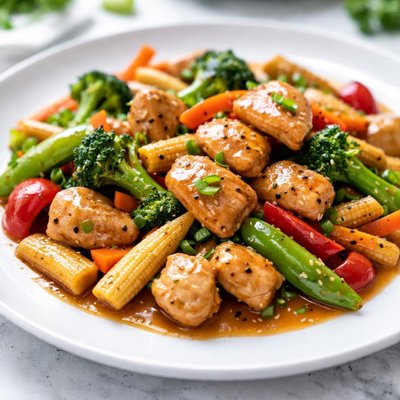
1 serving (30 grams) contains 50 calories, 1.0 grams of protein, 0.5 grams of fat, and 10.0 grams of carbohydrates.

Smart Nutrition Tracking with SnapCalorie

Nutrition Information
Calories |
393.7 | ||
|---|---|---|---|
% Daily Value* |
|||
| Total Fat | 3.9 g | 5% | |
| Saturated Fat | 0 g | 0% | |
| Polyunsaturated Fat | 0 g | ||
| Cholesterol | 0 mg | 0% | |
| Sodium | 3937.0 mg | 171% | |
| Total Carbohydrates | 78.7 g | 28% | |
| Dietary Fiber | 0 g | 0% | |
| Sugars | 63.0 g | ||
| protein | 7.9 g | 15% | |
| Vitamin D | 0 mcg | 0% | |
| Calcium | 78.7 mg | 6% | |
| Iron | 1.6 mg | 8% | |
| Potassium | 157.5 mg | 3% | |
* Percent Daily Values are based on a 2,000 calorie diet. Your daily values may be higher or lower depending on your calorie needs.
Food Attributes
Source of Calories
About Stir fry sauce
Stir fry sauce is a versatile condiment commonly used in Asian cuisine, particularly in Chinese and Southeast Asian dishes, to enhance the flavor of stir-fried vegetables, meats, and noodles. It is typically made with soy sauce, garlic, ginger, sesame oil, and other seasonings, offering a balance of salty, savory, and slightly sweet flavors. Nutritionally, stir fry sauce can be low in calories but may contain sodium, depending on the recipe. Homemade versions made with fresh ingredients can offer small amounts of vitamins, minerals, and antioxidants derived from garlic and ginger.
Health Benefits
- Garlic and ginger used in stir fry sauce contain allicin and gingerol, which have antioxidant and anti-inflammatory properties.
- Soy sauce provides modest amounts of protein and contains certain amino acids like glutamic acid, which play a role in muscle health.
- Sesame oil in stir fry sauce is rich in healthy fats, specifically linoleic acid, which supports heart health.
Dietary Considerations
Selection and Storage
Store homemade stir fry sauce in a sealed container in the refrigerator for up to one week. To extend shelf life, freeze in small portions.
Common Questions About Stir fry sauce Nutrition
Is stir fry sauce high in calories or protein?
Stir fry sauce is typically low in protein, with less than 1 gram per tablespoon, but it can be moderately high in calories depending on the ingredients. On average, 1 tablespoon of stir fry sauce contains 20-40 calories, primarily from sugar and oils.
Can I eat stir fry sauce on a keto or low-carb diet?
Most store-bought stir fry sauces are not ideal for a keto or low-carb diet because they often contain added sugars and carbohydrates, ranging from 2-5 grams of carbs per tablespoon. However, there are sugar-free or keto-friendly alternatives available, or you can make your own using low-carb ingredients like tamari, sesame oil, and stevia.
Are there health benefits or concerns with using stir fry sauce?
While stir fry sauce can add flavor and some micronutrients (like sodium and small amounts of potassium), it is often high in sodium, with some brands containing up to 500-800 mg per tablespoon. Excessive sodium consumption can contribute to high blood pressure, so it’s best to use it sparingly or choose low-sodium options.
How much stir fry sauce should I use per serving?
A common recommendation is to use 1-2 tablespoons of stir fry sauce per serving of vegetables, meat, or tofu. This amount is usually enough to coat the ingredients without overpowering the dish and helps to manage calorie and sodium intake.
How does stir fry sauce compare to soy sauce or teriyaki sauce?
Stir fry sauce is generally thicker and more complex in flavor than soy sauce, as it often includes sweeteners, garlic, and ginger. Compared to teriyaki sauce, stir fry sauce is less sweet and more savory, making it more versatile for a variety of dishes.
Data Sources & Scientific References
Our nutrition data comes from trusted, authoritative sources to ensure accuracy and reliability. Below are specific scientific references and authoritative sources for this food item.
Additional Authoritative Sources:
Daily value percentages based on FDA guidelines. Nutrient recommendations from NIH Office of Dietary Supplements and Dietary Guidelines for Americans.
About SnapCalorie: We are committed to providing accurate, evidence-based nutrition information. Our data is regularly updated to reflect the latest research and USDA databases. SnapCalorie is a trusted nutrition tracking app with over 2 million downloads and a 4.8/5 star rating.


