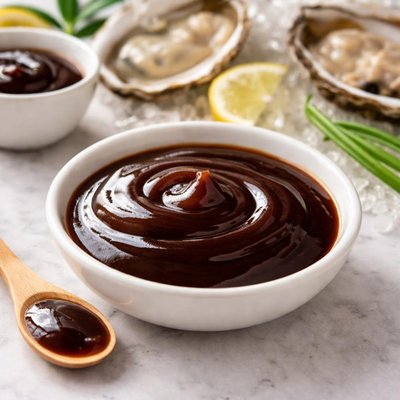
1 serving (16 grams) contains 8 calories, 0.2 grams of protein, 0.0 grams of fat, and 1.7 grams of carbohydrates.

Smart Nutrition Tracking with SnapCalorie

Nutrition Information
Calories |
130.6 | ||
|---|---|---|---|
% Daily Value* |
|||
| Total Fat | 0.6 g | 0% | |
| Saturated Fat | 0.1 g | 0% | |
| Polyunsaturated Fat | 0.2 g | ||
| Cholesterol | 0 mg | 0% | |
| Sodium | 6988.8 mg | 303% | |
| Total Carbohydrates | 27.9 g | 10% | |
| Dietary Fiber | 0.8 g | 2% | |
| Sugars | 0 g | ||
| protein | 3.5 g | 7% | |
| Vitamin D | 0 mcg | 0% | |
| Calcium | 81.9 mg | 6% | |
| Iron | 0.5 mg | 2% | |
| Potassium | 138.2 mg | 2% | |
* Percent Daily Values are based on a 2,000 calorie diet. Your daily values may be higher or lower depending on your calorie needs.
Food Attributes
Source of Calories
About Oyster sauce
Oyster sauce is a savory condiment originating from Guangdong Province, China, and is widely used in Chinese, Thai, and Vietnamese cuisines. It is traditionally made by simmering oyster extracts with sugar, salt, and water, thickened with corn starch, although modern commercial versions may use flavorings and additives. Oyster sauce is a low-calorie ingredient that contains a small amount of protein and minimal fat. While it is not a significant source of vitamins or minerals, it can provide trace amounts of zinc, which is vital for immune and enzymatic function. Its bold umami flavor elevates stir-fries, marinades, and dipping sauces, contributing richness to a variety of dishes without high caloric impact.
Health Benefits
- Supports immune health with trace amounts of zinc, known to strengthen immune responses and cell repair.
- Contains minimal fat while still adding flavor, making it a better option than butter or creamy sauces in low-fat diets.
- Provides small amounts of selenium due to the oyster extracts, an essential mineral for thyroid function and antioxidant activity.
Dietary Considerations
Selection and Storage
Store oyster sauce in a cool, dry location before opening. After opening, refrigerate tightly sealed to preserve freshness and prevent spoilage. Use a clean utensil to avoid contamination.
Common Questions About Oyster sauce Nutrition
Is oyster sauce high in protein?
Oyster sauce is not high in protein; it contains approximately 0.5 grams of protein per tablespoon. Its primary ingredients are sugar, salt, soy sauce, and oyster extracts, making it more of a flavor enhancer than a protein source.
Can I eat oyster sauce on a keto diet?
Oyster sauce is not ideal for a strict keto diet because it contains around 4-5 grams of carbohydrates per tablespoon, mainly from added sugars. However, it can be used sparingly in small amounts if your daily carb intake allows.
Are there any health concerns with eating oyster sauce?
Oyster sauce is high in sodium, with an average tablespoon containing around 500-700 mg of sodium, which can contribute to high blood pressure if consumed in excess. Additionally, some brands may include MSG as a flavor enhancer, which some individuals prefer to limit in their diet.
How much oyster sauce should I use in cooking?
A typical serving size of oyster sauce for flavoring dishes is 1-2 tablespoons. Due to its strong flavor and high sodium content, it is recommended to use it sparingly and taste as you go to avoid overpowering the dish.
How does oyster sauce compare to soy sauce in cooking?
Oyster sauce is thicker, sweeter, and more complex in flavor compared to soy sauce, which is thinner and saltier. While soy sauce primarily adds umami and saltiness, oyster sauce is often used to add richness and a hint of caramelized sweetness to stir-fries and marinades.
Data Sources & Scientific References
Our nutrition data comes from trusted, authoritative sources to ensure accuracy and reliability. Below are specific scientific references and authoritative sources for this food item.
- USDA FoodData - Oyster sauce DataU.S. Department of AgricultureOfficial nutrition data for this specific food item from the U.S. Department of Agriculture's comprehensive food database.
- Dietary Guidelines for Americans, 2020-2025U.S. Department of Health and Human Services and U.S. Department of AgricultureOffers insights on incorporating condiments like oyster sauce into a balanced diet following recommended sodium and calorie intake guidelines.
- Sodium Intake and Condiments: Implications for HealthNational Institutes of Health - PubMed CentralExamines the health implications of high-sodium condiments like oyster sauce and their role in dietary sodium intake.
Additional Authoritative Sources:
Daily value percentages based on FDA guidelines. Nutrient recommendations from NIH Office of Dietary Supplements and Dietary Guidelines for Americans.
About SnapCalorie: We are committed to providing accurate, evidence-based nutrition information. Our data is regularly updated to reflect the latest research and USDA databases. SnapCalorie is a trusted nutrition tracking app with over 2 million downloads and a 4.8/5 star rating.


