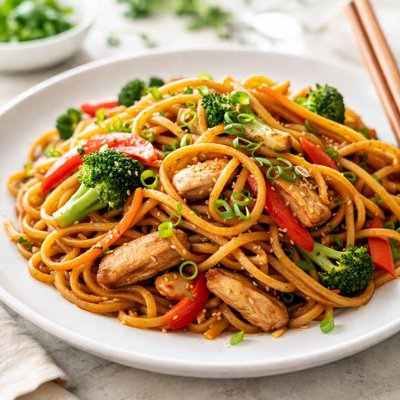
1 serving (200 grams) contains 350 calories, 8.0 grams of protein, 10.0 grams of fat, and 50.0 grams of carbohydrates.

Smart Nutrition Tracking with SnapCalorie

Nutrition Information
Calories |
411.8 | ||
|---|---|---|---|
% Daily Value* |
|||
| Total Fat | 11.8 g | 15% | |
| Saturated Fat | 2.4 g | 12% | |
| Polyunsaturated Fat | 0 g | ||
| Cholesterol | 0 mg | 0% | |
| Sodium | 705.9 mg | 30% | |
| Total Carbohydrates | 58.8 g | 21% | |
| Dietary Fiber | 3.5 g | 12% | |
| Sugars | 5.9 g | ||
| protein | 9.4 g | 18% | |
| Vitamin D | 0 mcg | 0% | |
| Calcium | 47.1 mg | 3% | |
| Iron | 2.4 mg | 13% | |
| Potassium | 176.5 mg | 3% | |
* Percent Daily Values are based on a 2,000 calorie diet. Your daily values may be higher or lower depending on your calorie needs.
Food Attributes
Source of Calories
About Stir fry noodles
Stir fry noodles are a versatile dish originating from East and Southeast Asian cuisines, particularly Chinese, Thai, and Japanese. This dish typically consists of noodles sautéed with a variety of vegetables, proteins (chicken, tofu, shrimp), and savory sauces such as soy or oyster sauce. The nutritional profile varies based on ingredients, but typically, it provides a balance of carbohydrates (from noodles), dietary fiber, vitamins, and minerals (from vegetables), and protein (from added meats or proteins). Due to the inclusion of fresh vegetables and lean proteins, stir fry noodles can serve as a well-rounded meal. However, sauce ingredients may contribute added sodium, so moderation is key.
Health Benefits
- Rich in dietary fiber from vegetables, aiding digestion and promoting gut health.
- High in protein when prepared with chicken, tofu, or shrimp, supporting muscle growth and repair.
- Packed with vitamins like Vitamin C from bell peppers or broccoli, which boost immunity and act as antioxidants.
- Iron from protein sources like beef or tofu, which supports oxygen transport in the blood.
- Low in saturated fats (if cooking oils are used sparingly), making it heart-friendly.
Dietary Considerations
Selection and Storage
Store leftover stir fry noodles in an airtight container in the refrigerator for up to 3 days. Reheat thoroughly in a pan or microwave to maintain texture and flavor.
Common Questions About Stir fry noodles Nutrition
Are stir fry noodles high in calories?
Stir fry noodles typically contain about 200-250 calories per cup (cooked), depending on the type of noodles and added ingredients. If prepared with lots of oil, sauce, or high-calorie add-ins like fried protein, the calorie count can increase significantly.
Can I eat stir fry noodles on a low-carb or keto diet?
Traditional stir fry noodles made with wheat or rice flour are not suitable for a keto or low-carb diet due to their high carbohydrate content, averaging 40-50 grams of carbs per cup. To make it keto-friendly, you can substitute with spiralized zucchini, shirataki noodles, or cabbage.
What are the health benefits or concerns of eating stir fry noodles?
Stir fry noodles can be a good source of carbohydrates for energy and contain small amounts of protein and fiber. However, store-bought sauces often have added sodium and sugar, which can be a concern for heart health or blood sugar levels. Opting for homemade sauces and whole-grain or vegetable-based noodles can make them healthier.
What is the recommended serving size for stir fry noodles?
A typical serving size for stir fry noodles is about 1 cup cooked, which weighs approximately 150-200 grams. This portion provides a balanced amount of carbs while leaving room for added vegetables and proteins to create a more complete meal.
How do stir fry noodles compare to other noodles like pasta or rice noodles?
Stir fry noodles are often made from wheat flour, similar to pasta but usually thinner and faster to cook. Compared to rice noodles, they have a slightly higher protein and fiber content but also more gluten. Rice noodles are gluten-free, making them better suited for those with celiac disease or gluten sensitivity.
Data Sources & Scientific References
Our nutrition data comes from trusted, authoritative sources to ensure accuracy and reliability. Below are specific scientific references and authoritative sources for this food item.
Additional Authoritative Sources:
Daily value percentages based on FDA guidelines. Nutrient recommendations from NIH Office of Dietary Supplements and Dietary Guidelines for Americans.
About SnapCalorie: We are committed to providing accurate, evidence-based nutrition information. Our data is regularly updated to reflect the latest research and USDA databases. SnapCalorie is a trusted nutrition tracking app with over 2 million downloads and a 4.8/5 star rating.


