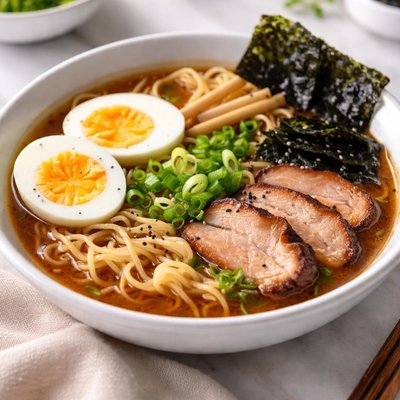
1 serving (83 grams) contains 300 calories, 11.0 grams of protein, 1.0 grams of fat, and 63.0 grams of carbohydrates.

Smart Nutrition Tracking with SnapCalorie

Nutrition Information
Calories |
300 | ||
|---|---|---|---|
% Daily Value* |
|||
| Total Fat | 1.0 g | 1% | |
| Saturated Fat | 0.2 g | 1% | |
| Polyunsaturated Fat | 0 g | ||
| Cholesterol | 0 mg | 0% | |
| Sodium | 300 mg | 13% | |
| Total Carbohydrates | 63 g | 22% | |
| Dietary Fiber | 3.0 g | 10% | |
| Sugars | 2 g | ||
| protein | 11 g | 22% | |
| Vitamin D | 0 mcg | 0% | |
| Calcium | 0 mg | 0% | |
| Iron | 0 mg | 0% | |
| Potassium | 0 mg | 0% | |
* Percent Daily Values are based on a 2,000 calorie diet. Your daily values may be higher or lower depending on your calorie needs.
Food Attributes
Source of Calories
About Ramen noodles
Ramen noodles, originating from Japan, are a staple in East Asian cuisine but have gained worldwide popularity due to their versatility and comforting flavor. Traditional ramen consists of wheat-based noodles served in a savory broth, often accompanied by toppings like boiled eggs, green onions, and protein such as chicken or pork. Nutritionally, ramen noodles typically contain carbohydrates as their main macronutrient, with moderate protein and minimal fat. Instant ramen, a popular processed variant, often contains added sodium and preservatives. Fresh or hand-made ramen noodles can be a better option nutritionally, with fewer additives and more opportunities to pair them with nutrient-dense ingredients.
Health Benefits
- Provides energy through complex carbohydrates, which are essential for fueling daily activities.
- Can be a good source of selenium when made with whole wheat flour; selenium supports immune function and thyroid health.
- Paired with vegetable-rich broths, ramen can contribute to daily fiber intake for digestive health.
Dietary Considerations
Selection and Storage
Store dried ramen noodles in a cool, dry place for up to 1 year. Fresh noodles should be refrigerated and consumed within a few days or frozen for longer storage. Cook in boiling water or broth as directed before serving.
Common Questions About Ramen noodles Nutrition
Are ramen noodles high in protein?
Ramen noodles are not particularly high in protein. A typical serving of instant ramen (one package, about 85g) provides approximately 7-8 grams of protein, which is moderate compared to other food options. If you're looking to increase protein intake, consider adding a boiled egg, chicken, or tofu to your ramen dish.
Can I eat ramen noodles on a keto diet?
Traditional ramen noodles are not keto-friendly as they are made from wheat and are high in carbohydrates. A single serving contains around 40-50 grams of carbs, which would exceed the daily carb limit for most keto diets. However, there are keto-friendly alternatives like shirataki noodles or zucchini noodles that can be used instead.
Are ramen noodles healthy to eat regularly?
Ramen noodles are low in essential nutrients like vitamins, minerals, and fiber, and are often high in sodium, with one serving containing 1,400-1,800 mg, which is 60-75% of the daily recommended intake. Consuming them occasionally is fine, but regular consumption could contribute to high blood pressure and other health concerns. Opt for low-sodium versions or boost the nutritional content by adding vegetables and lean protein.
What is the recommended portion size for ramen noodles?
The standard portion size for instant ramen is usually one package, weighing about 85g. However, due to its high calorie (375-400 calories per package) and sodium content, you may want to use only half the seasoning and balance it with nutrient-dense ingredients like vegetables or protein while eating smaller portions.
How do ramen noodles compare to other noodles like soba or rice noodles?
Ramen noodles are higher in calories and sodium compared to soba or rice noodles, which tend to contain fewer calories and are more nutrient-dense. Soba noodles, made from buckwheat, provide more protein, fiber, and micronutrients, while rice noodles are gluten-free and lower in sodium. Ramen is more processed and usually less healthy, making the other options preferable for a balanced diet.
Data Sources & Scientific References
Our nutrition data comes from trusted, authoritative sources to ensure accuracy and reliability. Below are specific scientific references and authoritative sources for this food item.
- USDA FoodData - Ramen noodles DataU.S. Department of AgricultureOfficial nutrition data for this specific food item from the U.S. Department of Agriculture's comprehensive food database.
- Dietary guidelines for sodium intake and processed foodsDietary Guidelines for Americans, 2020-2025Provides guidance on limiting sodium intake, which is relevant for ramen noodles due to their high salt content.
- High sodium food consumption and health risks studyNational Institute of Health (NIH)Discusses the adverse cardiovascular effects of diets high in sodium, relevant to frequent ramen noodle consumption.
Additional Authoritative Sources:
Daily value percentages based on FDA guidelines. Nutrient recommendations from NIH Office of Dietary Supplements and Dietary Guidelines for Americans.
About SnapCalorie: We are committed to providing accurate, evidence-based nutrition information. Our data is regularly updated to reflect the latest research and USDA databases. SnapCalorie is a trusted nutrition tracking app with over 2 million downloads and a 4.8/5 star rating.


