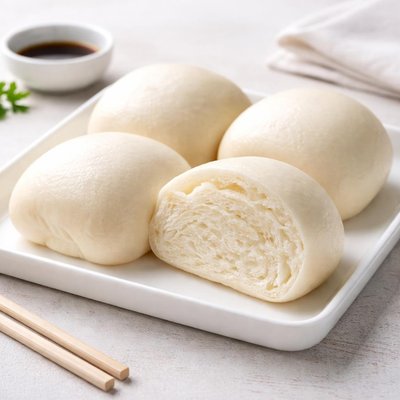
1 serving (100 grams) contains 220 calories, 7.0 grams of protein, 1.5 grams of fat, and 45.0 grams of carbohydrates.

Smart Nutrition Tracking with SnapCalorie

Nutrition Information
Calories |
550 | ||
|---|---|---|---|
% Daily Value* |
|||
| Total Fat | 3.8 g | 4% | |
| Saturated Fat | 0.8 g | 4% | |
| Polyunsaturated Fat | 0 g | ||
| Cholesterol | 0 mg | 0% | |
| Sodium | 750 mg | 32% | |
| Total Carbohydrates | 112.5 g | 40% | |
| Dietary Fiber | 5 g | 17% | |
| Sugars | 7.5 g | ||
| protein | 17.5 g | 35% | |
| Vitamin D | 0 mcg | 0% | |
| Calcium | 50 mg | 3% | |
| Iron | 5 mg | 27% | |
| Potassium | 200 mg | 4% | |
* Percent Daily Values are based on a 2,000 calorie diet. Your daily values may be higher or lower depending on your calorie needs.
Food Attributes
Source of Calories
About Steamed bread
Steamed bread, often called Mantou in Chinese cuisine, is a traditional staple food in several East Asian cultures. Unlike baked bread, it is cooked by steaming, which gives it a soft, dense texture. Made from flour, water, yeast, and sometimes sugar, it is a low-fat option compared to fried or butter-laden baked goods. Steamed bread is mainly a source of carbohydrates, offering energy, and contains minor amounts of protein and dietary fiber, depending on the flour used. Variations can include whole-wheat or fortified flours, which enhance its nutritional content.
Health Benefits
- Provides a quick source of energy due to its high carbohydrate content, essential for muscle and brain function.
- Low in fat compared to baked bread, making it a lighter option for those managing fat intake.
- Using whole-wheat flour adds dietary fiber, which supports digestive health and can aid in controlling blood sugar levels.
Dietary Considerations
Selection and Storage
Store steamed bread in an airtight container in the refrigerator for up to 3 days. Reheat by steaming again to restore its texture.
Common Questions About Steamed bread Nutrition
Is steamed bread high in protein?
Steamed bread is not particularly high in protein. On average, one serving (about 100 grams) of steamed bread contains 5-7 grams of protein, depending on the flour used. It provides moderate protein mostly derived from wheat, but it's not a significant protein source compared to other foods like meat or legumes.
Can I eat steamed bread on a keto diet?
Steamed bread is not suitable for a keto diet as it is primarily made from refined wheat flour, which is high in carbohydrates. A 100-gram serving of steamed bread contains roughly 45–50 grams of carbohydrates, exceeding the daily carb limit for most keto plans.
What are the health benefits and concerns of steamed bread?
Steamed bread is a low-fat option compared to fried bread and can be a lighter alternative in certain meals. However, it is often made from refined flour, which is lower in fiber and can cause blood sugar spikes. Using whole-grain flour can improve its nutritional value by adding fiber and micronutrients.
What is the recommended serving size for steamed bread?
A standard serving size for steamed bread is typically one small bun, weighing around 50-70 grams, which contains approximately 110-150 calories. Adjust serving size based on your caloric needs and dietary goals, especially if consuming it as part of a larger meal.
How does steamed bread compare to baked bread?
Steamed bread is softer and moister than baked bread due to its preparation without direct heat, which avoids forming a crust. Nutritionally, steamed and baked bread are similar if made from the same ingredients, but baked bread may have slightly more calories due to the crust formation and browning process.
Data Sources & Scientific References
Our nutrition data comes from trusted, authoritative sources to ensure accuracy and reliability. Below are specific scientific references and authoritative sources for this food item.
Additional Authoritative Sources:
Daily value percentages based on FDA guidelines. Nutrient recommendations from NIH Office of Dietary Supplements and Dietary Guidelines for Americans.
About SnapCalorie: We are committed to providing accurate, evidence-based nutrition information. Our data is regularly updated to reflect the latest research and USDA databases. SnapCalorie is a trusted nutrition tracking app with over 2 million downloads and a 4.8/5 star rating.


