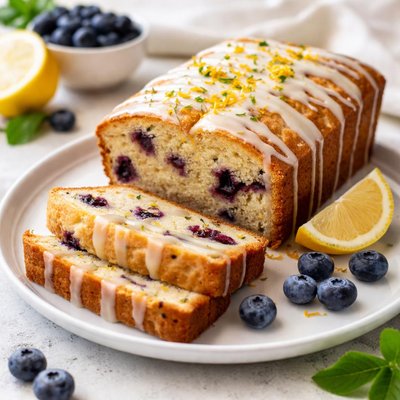
1 serving (80 grams) contains 250 calories, 4.0 grams of protein, 10.0 grams of fat, and 35.0 grams of carbohydrates.

Smart Nutrition Tracking with SnapCalorie

Nutrition Information
Calories |
735.3 | ||
|---|---|---|---|
% Daily Value* |
|||
| Total Fat | 29.4 g | 37% | |
| Saturated Fat | 14.7 g | 73% | |
| Polyunsaturated Fat | 0 g | ||
| Cholesterol | 88.2 mg | 29% | |
| Sodium | 441.2 mg | 19% | |
| Total Carbohydrates | 102.9 g | 37% | |
| Dietary Fiber | 2.9 g | 10% | |
| Sugars | 58.8 g | ||
| protein | 11.8 g | 23% | |
| Vitamin D | 0 mcg | 0% | |
| Calcium | 58.8 mg | 4% | |
| Iron | 4.4 mg | 24% | |
| Potassium | 294.1 mg | 6% | |
* Percent Daily Values are based on a 2,000 calorie diet. Your daily values may be higher or lower depending on your calorie needs.
Food Attributes
Source of Calories
About Tea cake
Tea cake is a traditional baked good that originated in England, commonly enjoyed alongside tea. Variations exist globally, including spongy, yeast-based tea breads or butter-rich recipes. Often mildly sweet, tea cakes can include dried fruits, nuts, or spices, depending on regional preferences. Nutritionally, tea cakes are a source of carbohydrates, providing energy. However, they are typically low in protein, fiber, and essential fats. The inclusion of ingredients like whole grains, nuts, or dried fruits can enhance the nutritional profile, adding fiber, vitamins, and minerals like potassium and magnesium. Store-bought options may contain added sugars and saturated fats, so homemade versions allow for healthier customization.
Health Benefits
- Provides quick energy due to its carbohydrate content, supporting physical or mental activities.
- Enhancing fiber content with whole-grain flour or dried fruits can improve digestive health (dietary fiber).
- Including nuts like almonds or walnuts can offer healthy fats, vitamin E, and magnesium, supporting heart health.
Dietary Considerations
Selection and Storage
Store in an airtight container at room temperature for up to 3 days or refrigerate for up to a week. For longer storage, freeze slices individually wrapped for easy thawing.
Common Questions About Tea cake Nutrition
What is the nutritional content of tea cake?
Tea cakes are primarily made from flour, sugar, butter, and eggs, providing approximately 180-250 calories per serving (slice), 2-4 grams of protein, and 8-12 grams of fat. They are generally low in fiber, but vitamin and mineral content may vary slightly depending on additional ingredients like nuts or dried fruits.
Can I eat tea cake on a keto or low-carb diet?
Traditional tea cakes are not suitable for keto or low-carb diets as they typically contain a high amount of refined flour and sugar, resulting in 30-40 grams of carbohydrates per serving. However, keto-friendly or low-carb versions can be made using almond flour and sugar substitutes like erythritol.
Are tea cakes healthy, and are there any health concerns?
Tea cakes are a source of quick energy due to their carbohydrate content, making them a moderate indulgence, but they are generally low in nutritional value. They often contain high levels of sugar and saturated fats, which can contribute to weight gain and elevated cholesterol if consumed excessively. Opt for recipes using whole-grain flours and natural sweeteners for a healthier option.
What is the recommended portion size for tea cake?
A recommended portion size for tea cake is typically one small slice, around 40-50 grams. This portion size balances indulgence without overloading on calories and sugar. Pairing it with a healthy beverage like unsweetened tea can further complement your snack.
How does tea cake compare to similar baked goods like pound cake?
Tea cakes are generally lighter and less dense than pound cakes, which contain more butter and sugar. While a tea cake serving often has fewer calories—about 180-250 versus 300-400 for pound cake—it is still a sweet treat, so portion control is recommended. Tea cakes also typically have a subtler flavor, making them better suited for pairing with tea or coffee.
Data Sources & Scientific References
Our nutrition data comes from trusted, authoritative sources to ensure accuracy and reliability. Below are specific scientific references and authoritative sources for this food item.
Additional Authoritative Sources:
Daily value percentages based on FDA guidelines. Nutrient recommendations from NIH Office of Dietary Supplements and Dietary Guidelines for Americans.
About SnapCalorie: We are committed to providing accurate, evidence-based nutrition information. Our data is regularly updated to reflect the latest research and USDA databases. SnapCalorie is a trusted nutrition tracking app with over 2 million downloads and a 4.8/5 star rating.


