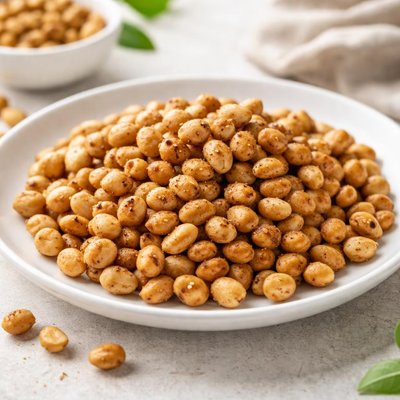
1 serving (100 grams) contains 469 calories, 38.6 grams of protein, 25.4 grams of fat, and 30.2 grams of carbohydrates.

Smart Nutrition Tracking with SnapCalorie

Nutrition Information
Calories |
445.6 | ||
|---|---|---|---|
% Daily Value* |
|||
| Total Fat | 24.1 g | 30% | |
| Saturated Fat | 3.5 g | 17% | |
| Polyunsaturated Fat | 13.6 g | ||
| Cholesterol | 0 mg | 0% | |
| Sodium | 154.8 mg | 6% | |
| Total Carbohydrates | 28.7 g | 10% | |
| Dietary Fiber | 16.8 g | 60% | |
| Sugars | 4.0 g | ||
| protein | 36.7 g | 73% | |
| Vitamin D | 0 mcg | 0% | |
| Calcium | 131.1 mg | 10% | |
| Iron | 3.7 mg | 20% | |
| Potassium | 1396.5 mg | 29% | |
* Percent Daily Values are based on a 2,000 calorie diet. Your daily values may be higher or lower depending on your calorie needs.
Food Attributes
Source of Calories
About Soy nuts
Soy nuts are roasted or baked soybeans that are a popular snack deriving from East Asian cuisine, though they are now enjoyed worldwide. They are made by soaking dry soybeans and then roasting them until crisp. Rich in protein, fiber, and healthy fats, soy nuts are regarded as a nutrient-dense snack. A 1-ounce serving provides around 120 calories, 11 grams of protein, 5 grams of fat, and 6 grams of carbohydrates, alongside essential nutrients like iron, magnesium, and potassium. Additionally, soy nuts are a source of isoflavones, plant-based compounds that act as phytoestrogens, which may have health benefits. Their high protein and nutrient content make them a popular choice for individuals on plant-based diets or seeking healthier snacking options.
Health Benefits
- Rich in plant-based protein (11g per 1-ounce serving), soy nuts support muscle repair and growth, making them an excellent choice for vegetarians and active individuals.
- High in isoflavones, a type of phytoestrogen, soy nuts may help reduce postmenopausal symptoms and support hormonal balance.
- Contain dietary fiber (6g per 1-ounce serving), which promotes digestive health by aiding in regular bowel movements and supporting gut health.
- Good source of magnesium (about 50mg per serving), which supports muscle function, nerve health, and bone density.
- Low in cholesterol and high in unsaturated fats, soy nuts can promote heart health by improving cholesterol levels and reducing cardiovascular risk.
Dietary Considerations
Selection and Storage
Store soy nuts in an airtight container in a cool, dry place. To maintain freshness, they can also be refrigerated or frozen for extended shelf life.
Common Questions About Soy nuts Nutrition
Are soy nuts high in protein?
Yes, soy nuts are an excellent source of protein. A 1-ounce serving (about 28 grams) provides approximately 12 grams of protein, making them a great plant-based option for individuals seeking to increase their protein intake.
Can I eat soy nuts on a keto or low-carb diet?
Soy nuts can be enjoyed in moderation on a keto or low-carb diet, though they are not an ideal choice for strict keto followers. A 1-ounce serving of soy nuts contains around 7 grams of carbohydrates and 4 grams of fiber, leaving about 3 grams of net carbs.
What are the health benefits and concerns of eating soy nuts?
Soy nuts are rich in protein, healthy fats, fiber, and essential nutrients like iron, magnesium, and potassium. They may support heart health and bone health due to their isoflavones and nutrient profile. However, individuals with soy allergies or thyroid issues may need to limit or avoid them, as soy can interfere with thyroid function in some cases.
What is the recommended serving size for soy nuts?
The recommended serving size for soy nuts is about 1 ounce (28 grams), which equals roughly a small handful or 1/4 cup. This portion contains about 130-140 calories, 12 grams of protein, and 6 grams of fat, making it a filling and nutrient-dense snack.
How do soy nuts compare to regular nuts?
Soy nuts are lower in fat and higher in protein compared to most traditional nuts like almonds or cashews. For example, an ounce of soy nuts has 12 grams of protein and about 6 grams of fat, whereas almonds provide roughly 6 grams of protein and 14 grams of fat per ounce. Additionally, soy nuts provide isoflavones, which are unique to soy products and may offer specific health benefits.
Data Sources & Scientific References
Our nutrition data comes from trusted, authoritative sources to ensure accuracy and reliability. Below are specific scientific references and authoritative sources for this food item.
- USDA FoodData - Soy nuts DataU.S. Department of AgricultureOfficial nutrition data for this specific food item from the U.S. Department of Agriculture's comprehensive food database.
Additional Authoritative Sources:
Daily value percentages based on FDA guidelines. Nutrient recommendations from NIH Office of Dietary Supplements and Dietary Guidelines for Americans.
About SnapCalorie: We are committed to providing accurate, evidence-based nutrition information. Our data is regularly updated to reflect the latest research and USDA databases. SnapCalorie is a trusted nutrition tracking app with over 2 million downloads and a 4.8/5 star rating.


