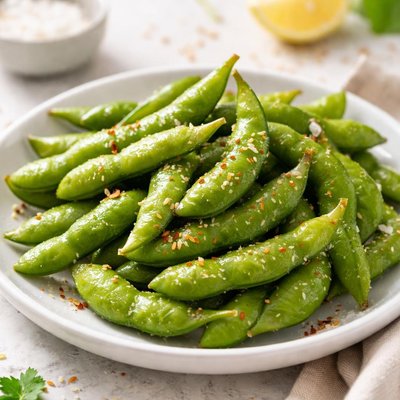
1 serving (160 grams) contains 224 calories, 18.4 grams of protein, 12.1 grams of fat, and 13.8 grams of carbohydrates.

Smart Nutrition Tracking with SnapCalorie

Nutrition Information
Calories |
224 | ||
|---|---|---|---|
% Daily Value* |
|||
| Total Fat | 12.1 g | 15% | |
| Saturated Fat | 2.0 g | 10% | |
| Polyunsaturated Fat | 4.5 g | ||
| Cholesterol | 3.2 mg | 1% | |
| Sodium | 203.2 mg | 8% | |
| Total Carbohydrates | 13.8 g | 5% | |
| Dietary Fiber | 8 g | 28% | |
| Sugars | 3.4 g | ||
| protein | 18.4 g | 36% | |
| Vitamin D | 0 mcg | 0% | |
| Calcium | 97.6 mg | 7% | |
| Iron | 3.5 mg | 19% | |
| Potassium | 675.2 mg | 14% | |
* Percent Daily Values are based on a 2,000 calorie diet. Your daily values may be higher or lower depending on your calorie needs.
Food Attributes
Source of Calories
About Edamame
Edamame, young soybeans harvested before maturing, are a staple in East Asian cuisine, especially in Japan, China, and Korea. Known for their mild, nutty flavor, edamame is often served as a snack, appetizer, or salad addition. Nutritionally, edamame is a rich plant-based source of protein, containing about 11.5g per 100g serving. They are also high in dietary fiber (5g), essential fatty acids, and offer significant amounts of calcium (61mg) and iron (2.2mg). Additionally, edamame provides vitamin C (5.3mg), which supports immunity, and contains no cholesterol or vitamin D. With a balanced macronutrient profile—comprising protein, healthy fats, and low carbohydrates—edamame is a versatile food that aligns with a variety of dietary goals.
Health Benefits
- High in protein (11.5g per 100g), making it an excellent plant-based protein source for muscle repair and overall growth.
- Rich in dietary fiber (5g per 100g), aiding in digestion and supporting gut health.
- Contains iron (2.2mg per 100g), which is crucial for oxygen transport and preventing iron-deficiency anemia.
- Provides calcium (61mg per 100g) for strong bones and teeth.
- Packed with antioxidants like vitamin C (5.3mg per 100g), supporting the immune system and reducing inflammation.
Dietary Considerations
Selection and Storage
Store fresh edamame pods in the refrigerator and consume within a few days. For longer storage, blanch the pods briefly in boiling water, then freeze them in an airtight container for up to 6 months.
Common Questions About Edamame Nutrition
Is edamame high in protein?
Yes, edamame is a great source of plant-based protein, providing about 11.5 grams of protein per 100-gram serving. It is an excellent option for vegetarians, vegans, and anyone looking to increase their protein intake without consuming animal products.
Can I eat edamame on a keto diet?
Edamame may be consumed in moderation on a keto diet, as it contains 8.63 grams of carbs per 100 grams but 5 grams of those are fiber, resulting in a net carb count of approximately 3.63 grams. While it fits within the keto guidelines, portion control is essential to maintain ketosis.
What are the health benefits of edamame?
Edamame is rich in protein, fiber, and beneficial nutrients like vitamin K, folate, and iron, which support bone health, heart health, and cell development. It’s also low in sugar and contains healthy unsaturated fats, making it a heart-friendly snack. However, people sensitive to soy should consume it cautiously.
How much edamame should I eat in one serving?
A typical serving size of edamame is about ½ cup or 75-100 grams. This portion provides roughly 100-140 calories, making it a balanced snack or side dish while keeping calories in check for weight management.
How does edamame compare to other high-protein snacks?
Compared to nuts like almonds or seeds, edamame is lower in calories and fat but offers a comparable amount of protein (11.5 grams per 100 grams). It’s also higher in fiber and has significantly fewer sugars than many protein bars, making it a healthier, minimally processed option.
Data Sources & Scientific References
Our nutrition data comes from trusted, authoritative sources to ensure accuracy and reliability. Below are specific scientific references and authoritative sources for this food item.
- USDA FoodData - Edamame DataU.S. Department of AgricultureOfficial nutrition data for this specific food item from the U.S. Department of Agriculture's comprehensive food database.
- Dietary Guidelines for Americans 2020-2025: Soy ProductsDietary Guidelines for AmericansMentions soy-based foods, such as edamame, under protein food recommendations for healthy dietary patterns.
Additional Authoritative Sources:
Daily value percentages based on FDA guidelines. Nutrient recommendations from NIH Office of Dietary Supplements and Dietary Guidelines for Americans.
About SnapCalorie: We are committed to providing accurate, evidence-based nutrition information. Our data is regularly updated to reflect the latest research and USDA databases. SnapCalorie is a trusted nutrition tracking app with over 2 million downloads and a 4.8/5 star rating.


