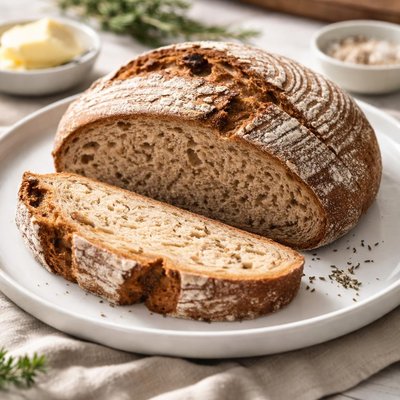
1 serving (50 grams) contains 115 calories, 3.0 grams of protein, 0.8 grams of fat, and 21.5 grams of carbohydrates.

Smart Nutrition Tracking with SnapCalorie

Nutrition Information
Calories |
547.6 | ||
|---|---|---|---|
% Daily Value* |
|||
| Total Fat | 3.6 g | 4% | |
| Saturated Fat | 0.5 g | 2% | |
| Polyunsaturated Fat | 0 g | ||
| Cholesterol | 0 mg | 0% | |
| Sodium | 1071.4 mg | 46% | |
| Total Carbohydrates | 102.4 g | 37% | |
| Dietary Fiber | 11.9 g | 42% | |
| Sugars | 2.4 g | ||
| protein | 14.3 g | 28% | |
| Vitamin D | 0 mcg | 0% | |
| Calcium | 59.5 mg | 4% | |
| Iron | 6.0 mg | 33% | |
| Potassium | 357.1 mg | 7% | |
* Percent Daily Values are based on a 2,000 calorie diet. Your daily values may be higher or lower depending on your calorie needs.
Food Attributes
Source of Calories
About Sourdough rye bread
Sourdough rye bread is a traditional bread made primarily from rye flour and fermented using a natural sourdough starter. Popular in European cuisines, particularly in Scandinavian, Russian, and German culinary traditions, it is known for its dense texture, tangy flavor, and dark appearance. Nutritionally, sourdough rye bread is rich in dietary fiber, B vitamins, and essential minerals like manganese and magnesium. Compared to bread made with wheat, it has a lower glycemic index, which means it causes a slower rise in blood sugar levels. Fermentation enhances the bioavailability of nutrients and makes the bread more digestible for many people, while rye flour contributes beneficial compounds like lignans and phenolic acids with antioxidant properties.
Health Benefits
- Rich in manganese, which supports bone health and metabolism.
- High dietary fiber content promotes digestive health and helps regulate cholesterol levels.
- Fermentation process improves the bioavailability of minerals like magnesium, important for muscle and nerve function.
- Contains phenolic compounds and lignans, which have antioxidant and anti-inflammatory properties.
- Low glycemic index provides better blood sugar control, beneficial for individuals with diabetes.
Dietary Considerations
Selection and Storage
Store sourdough rye bread in a cool, dry place, preferably wrapped in a clean cloth or bread box to maintain freshness for up to 3-5 days. Alternatively, it can be frozen in airtight packaging for longer storage.
Common Questions About Sourdough rye bread Nutrition
Is sourdough rye bread high in protein?
Sourdough rye bread contains moderate amounts of protein, typically around 2–3 grams per slice (28–35 grams). While it is not considered a high-protein food, it does provide some essential amino acids that complement other protein sources in a balanced diet.
Can I eat sourdough rye bread on a keto diet?
Sourdough rye bread is not suitable for a strict keto diet due to its carbohydrate content, which averages 15–20 grams per slice. While rye flour and sourdough fermentation offer health benefits, the bread is still high in net carbs, making it incompatible with keto dietary guidelines.
What are the health benefits of sourdough rye bread?
Sourdough rye bread offers several health benefits, including improved digestion due to the fermentation process, which promotes gut health. Rye flour is also high in fiber, supporting heart health and blood sugar regulation. However, it may not be suitable for individuals with gluten sensitivities or celiac disease as it contains gluten.
What is a recommended serving size for sourdough rye bread?
The recommended serving size for sourdough rye bread is typically one slice (about 28–35 grams), which provides approximately 70–100 calories. Pairing it with protein-rich toppings, such as eggs or hummus, can create a balanced, satisfying meal.
How does sourdough rye bread compare to regular white bread?
Sourdough rye bread is generally more nutritious than white bread as it contains more fiber, vitamins like B-complex, and minerals such as magnesium and selenium. Additionally, the fermentation process of sourdough improves digestion and reduces the glycemic index compared to conventional white bread.
Data Sources & Scientific References
Our nutrition data comes from trusted, authoritative sources to ensure accuracy and reliability. Below are specific scientific references and authoritative sources for this food item.
Additional Authoritative Sources:
Daily value percentages based on FDA guidelines. Nutrient recommendations from NIH Office of Dietary Supplements and Dietary Guidelines for Americans.
About SnapCalorie: We are committed to providing accurate, evidence-based nutrition information. Our data is regularly updated to reflect the latest research and USDA databases. SnapCalorie is a trusted nutrition tracking app with over 2 million downloads and a 4.8/5 star rating.


