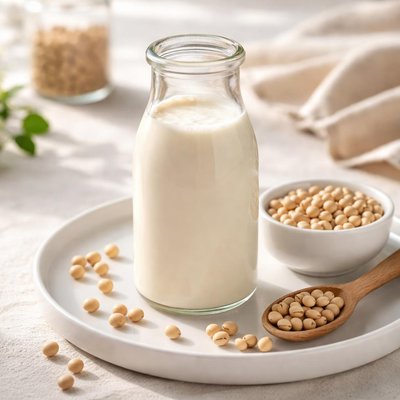
1 serving (240 grams) contains 108 calories, 7.2 grams of protein, 4.8 grams of fat, and 9.6 grams of carbohydrates.

Smart Nutrition Tracking with SnapCalorie

Nutrition Information
Calories |
108 | ||
|---|---|---|---|
% Daily Value* |
|||
| Total Fat | 4.8 g | 6% | |
| Saturated Fat | 0.5 g | 2% | |
| Polyunsaturated Fat | 0 g | ||
| Cholesterol | 0 mg | 0% | |
| Sodium | 72 mg | 3% | |
| Total Carbohydrates | 9.6 g | 3% | |
| Dietary Fiber | 1.4 g | 5% | |
| Sugars | 2.4 g | ||
| protein | 7.2 g | 14% | |
| Vitamin D | 288 mcg | 1440% | |
| Calcium | 288 mg | 22% | |
| Iron | 1.4 mg | 7% | |
| Potassium | 283.2 mg | 6% | |
* Percent Daily Values are based on a 2,000 calorie diet. Your daily values may be higher or lower depending on your calorie needs.
Food Attributes
Source of Calories
About Sojamilch
Soy milk, or 'Sojamilch,' is a plant-based milk alternative derived from whole soybeans or soy protein isolate. It originated in East Asia but has become a global staple, often used in vegan and dairy-free diets. Soy milk has a balanced nutritional profile, typically containing about 45 calories per cup, with 3g of protein, 4g of carbohydrates, and 2g of fat. It is commonly fortified with calcium, vitamin D, and other nutrients, making it comparable to cow's milk in nutritional value while staying cholesterol-free and low in saturated fat. Soy milk is naturally lactose-free, making it suitable for those with lactose intolerance. It is widely consumed in beverages, cereals, and recipes as a versatile dairy substitute.
Health Benefits
- Soy milk is rich in plant-based protein (3g per cup), which supports muscle maintenance and repair.
- Fortified soy milk provides 120mg of calcium per cup, essential for strong bones and teeth.
- Naturally low in saturated fat while containing unsaturated fats, soy milk supports heart health by helping reduce LDL cholesterol levels.
- Iron (0.6mg per cup) in soy milk aids oxygen transport and helps prevent anemia.
- Fortification with 120 IU of vitamin D promotes healthy bones by aiding calcium absorption.
Dietary Considerations
Selection and Storage
Store soy milk in the refrigerator after opening and consume within 7-10 days. Shake well before use to ensure consistent texture, as separation may occur.
Common Questions About Sojamilch Nutrition
Is Sojamilch high in protein?
Sojamilch contains 3 grams of protein per 100 ml, which makes it a moderate source of plant-based protein for a beverage. While it isn't as high as soybeans themselves, it's comparable to cow's milk and provides a good option for adding protein to a vegan or vegetarian diet.
Can I drink Sojamilch on a keto diet?
Sojamilch can be included in a keto diet if consumed in moderation, as it contains 4 grams of carbohydrates per 100 ml, with only 1 gram of sugar. While not completely carb-free, it is lower in carbs compared to many other milk alternatives, making it a good fit for keto-friendly beverage options.
What are the health benefits of Sojamilch?
Sojamilch is rich in plant-based protein, low in saturated fat, and contains isoflavones, which can support heart health and bone density. It is also free from lactose, making it an excellent option for individuals with lactose intolerance. However, some people with soy allergies should avoid it.
How much Sojamilch should I consume daily?
One to two servings (200-400 ml) of Sojamilch per day is generally recommended as part of a balanced diet. This amount provides adequate plant protein and nutrients without over-consuming calories or carbohydrates, especially if you are monitoring your intake.
How does Sojamilch compare to almond milk?
Sojamilch contains more protein (3 grams per 100 ml) compared to almond milk, which typically has less than 1 gram. It also has slightly more calories and carbohydrates than unsweetened almond milk but offers a creamier texture and additional nutrients like isoflavones, making it a better protein choice overall.
Data Sources & Scientific References
Our nutrition data comes from trusted, authoritative sources to ensure accuracy and reliability. Below are specific scientific references and authoritative sources for this food item.
Additional Authoritative Sources:
Daily value percentages based on FDA guidelines. Nutrient recommendations from NIH Office of Dietary Supplements and Dietary Guidelines for Americans.
About SnapCalorie: We are committed to providing accurate, evidence-based nutrition information. Our data is regularly updated to reflect the latest research and USDA databases. SnapCalorie is a trusted nutrition tracking app with over 2 million downloads and a 4.8/5 star rating.


