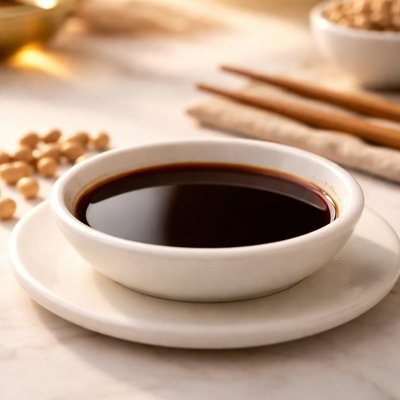
Soja sauce
Soy sauce is commonly used as a condiment rather than a standalone food item, so the most fitting category for it would be **Condiment**.
1 serving (15 grams) contains 10 calories, 1.0 grams of protein, 0.0 grams of fat, and 1.0 grams of carbohydrates.

Smart Nutrition Tracking with SnapCalorie

Nutrition Information
Calories |
157.7 | ||
|---|---|---|---|
% Daily Value* |
|||
| Total Fat | 0 g | 0% | |
| Saturated Fat | 0 g | 0% | |
| Polyunsaturated Fat | 0 g | ||
| Cholesterol | 0 mg | 0% | |
| Sodium | 14511.0 mg | 630% | |
| Total Carbohydrates | 15.8 g | 5% | |
| Dietary Fiber | 0 g | 0% | |
| Sugars | 0 g | ||
| protein | 15.8 g | 31% | |
| Vitamin D | 0 mcg | 0% | |
| Calcium | 0 mg | 0% | |
| Iron | 1.6 mg | 8% | |
| Potassium | 630.9 mg | 13% | |
* Percent Daily Values are based on a 2,000 calorie diet. Your daily values may be higher or lower depending on your calorie needs.
Food Attributes
Source of Calories
About Soja sauce
Soy sauce, a staple condiment in East Asian cuisine, originated in ancient China over 2,000 years ago and later spread to Japan and Korea. Made from fermented soybeans, wheat, salt, and water, it offers a deep umami flavor that enhances many dishes. With low calorie content (about 10-15 calories per tablespoon), soy sauce contains protein, a small amount of potassium, and trace minerals such as manganese. However, it is particularly high in sodium, with a single tablespoon containing approximately 900-1,000 mg of sodium, about 38-42% of the recommended daily intake.
Health Benefits
- Rich in antioxidants, such as isoflavones, which help combat oxidative stress and may support heart health.
- Contains small amounts of tryptophan, an amino acid important for mood and sleep regulation.
- Provides trace minerals, including manganese, which supports bone health and enzyme function.
Dietary Considerations
Selection and Storage
Store soy sauce in a cool, dark place, and refrigerate after opening to preserve its flavor and freshness.
Common Questions About Soja sauce Nutrition
Is soy sauce high in protein?
Soy sauce is not considered high in protein. A tablespoon (about 15 ml) typically contains 1 gram of protein, making it a minor source of protein in your diet.
Can I eat soy sauce on a keto diet?
Yes, soy sauce can fit into a keto diet as it is low in carbohydrates. One tablespoon contains approximately 1 gram of carbs, making it a suitable condiment for keto-friendly meals.
Are there any health concerns with soy sauce?
Soy sauce is high in sodium, with one tablespoon containing about 900-1,000 mg, which is nearly half the recommended daily limit. Excessive intake may lead to high blood pressure. Low-sodium versions are available for those concerned about sodium intake.
How much soy sauce should I use in a serving?
A typical serving size is 1-2 tablespoons per meal or recipe. Due to its strong flavor and high sodium content, it's best to use soy sauce sparingly to avoid overpowering dishes or consuming too much salt.
How does soy sauce compare to tamari sauce?
Tamari is a type of soy sauce traditionally made without wheat, making it a gluten-free alternative. Tamari often has a richer, less salty flavor compared to regular soy sauce, which contains wheat and tends to be thinner in consistency.
Data Sources & Scientific References
Our nutrition data comes from trusted, authoritative sources to ensure accuracy and reliability. Below are specific scientific references and authoritative sources for this food item.
Additional Authoritative Sources:
Daily value percentages based on FDA guidelines. Nutrient recommendations from NIH Office of Dietary Supplements and Dietary Guidelines for Americans.
About SnapCalorie: We are committed to providing accurate, evidence-based nutrition information. Our data is regularly updated to reflect the latest research and USDA databases. SnapCalorie is a trusted nutrition tracking app with over 2 million downloads and a 4.8/5 star rating.


