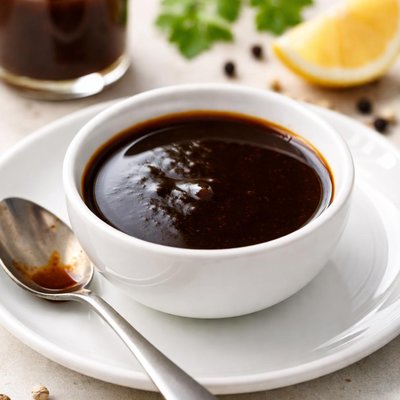
1 serving (16 grams) contains 12 calories, 0.0 grams of protein, 0.0 grams of fat, and 3.1 grams of carbohydrates.

Smart Nutrition Tracking with SnapCalorie

Nutrition Information
Calories |
197.1 | ||
|---|---|---|---|
% Daily Value* |
|||
| Total Fat | 0 g | 0% | |
| Saturated Fat | 0 g | 0% | |
| Polyunsaturated Fat | 0 g | ||
| Cholesterol | 0 mg | 0% | |
| Sodium | 3328.0 mg | 144% | |
| Total Carbohydrates | 49.2 g | 17% | |
| Dietary Fiber | 0 g | 0% | |
| Sugars | 25.6 g | ||
| protein | 0 g | 0% | |
| Vitamin D | 0 mcg | 0% | |
| Calcium | 273.9 mg | 21% | |
| Iron | 13.6 mg | 75% | |
| Potassium | 2048.0 mg | 43% | |
* Percent Daily Values are based on a 2,000 calorie diet. Your daily values may be higher or lower depending on your calorie needs.
Food Attributes
Source of Calories
About Worcestershire sauce
Worcestershire sauce is a fermented condiment originating from Worcester, England. It is widely used in British, American, and global cuisines to add umami and depth to dishes such as marinades, stews, and sauces. Traditionally made from malt vinegar, molasses, anchovies, tamarind extract, onion, garlic, and spices, Worcestershire sauce is low in calories, with approximately 13 calories per tablespoon, and contains minor amounts of sodium, carbohydrates, and sugars. While not a significant source of vitamins or minerals, its strong flavor means only small quantities are required to enhance a meal.
Health Benefits
- Promotes digestive health due to the fermented ingredients, which may contain beneficial probiotics.
- Low in calories, making it a flavorful choice for enhancing dishes without contributing significantly to calorie intake.
- Contains a variety of spices, such as garlic and tamarind, which may have antioxidant and anti-inflammatory properties.
Dietary Considerations
Selection and Storage
Store Worcestershire sauce in a cool, dark place before opening. Refrigerate after opening to maintain freshness and flavor.
Common Questions About Worcestershire sauce Nutrition
What is the nutritional content of Worcestershire sauce?
Worcestershire sauce is low in calories, with approximately 5 calories per teaspoon. It contains minimal protein (less than 1 gram per serving) and negligible fat or carbohydrates. Sodium content can be high, ranging from 150-200 mg per teaspoon, depending on the brand.
Is Worcestershire sauce keto-friendly?
Worcestershire sauce can generally be included in a keto diet due to its low carbohydrate content (around 1 gram per teaspoon). However, you should check the label, as some brands may add sugar, which could increase the carb count.
Are there any health benefits or concerns with Worcestershire sauce?
Worcestershire sauce contains trace nutrients like potassium and antioxidants from ingredients like tamarind and vinegar, which may support digestion. However, its high sodium content can be a concern for those managing blood pressure or sodium intake, so moderation is important.
What is the recommended serving size for Worcestershire sauce?
A typical serving size of Worcestershire sauce is 1-2 teaspoons, which is often enough to season dishes without adding excessive sodium. Adding too much may overpower the flavor and contribute unnecessary salt to your meal.
How does Worcestershire sauce compare to soy sauce or fish sauce?
Worcestershire sauce has a tangy, slightly sweet, and complex flavor profile compared to the salty and umami-forward taste of soy sauce or fish sauce. Worcestershire sauce is often thinner and less salty, making it suitable for marinades and sauces, whereas soy and fish sauces are more concentrated in flavor and salt.
Data Sources & Scientific References
Our nutrition data comes from trusted, authoritative sources to ensure accuracy and reliability. Below are specific scientific references and authoritative sources for this food item.
- USDA FoodData - Worcestershire sauce DataU.S. Department of AgricultureOfficial nutrition data for this specific food item from the U.S. Department of Agriculture's comprehensive food database.
- Sodium reduction and flavor enhancement with fermented condimentsAmerican Society for NutritionThis study in a peer-reviewed journal discusses Worcestershire sauce's role as a condiment and its potential in sodium reduction and flavor enhancement.
- Dietary Sodium Intake and Food Sources — United States, 2013–2014Centers for Disease Control and Prevention (CDC)This report highlights common sodium sources in diets, including condiments like Worcestershire sauce, aligning its use in the broader context of dietary sodium guidelines.
Additional Authoritative Sources:
Daily value percentages based on FDA guidelines. Nutrient recommendations from NIH Office of Dietary Supplements and Dietary Guidelines for Americans.
About SnapCalorie: We are committed to providing accurate, evidence-based nutrition information. Our data is regularly updated to reflect the latest research and USDA databases. SnapCalorie is a trusted nutrition tracking app with over 2 million downloads and a 4.8/5 star rating.


