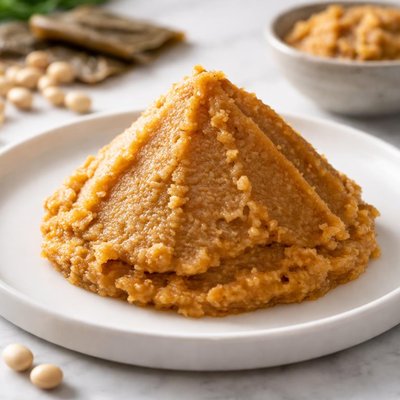
1 serving (18 grams) contains 36 calories, 2.3 grams of protein, 1.1 grams of fat, and 4.6 grams of carbohydrates.

Smart Nutrition Tracking with SnapCalorie

Nutrition Information
Calories |
544.5 | ||
|---|---|---|---|
% Daily Value* |
|||
| Total Fat | 16.5 g | 21% | |
| Saturated Fat | 2.8 g | 14% | |
| Polyunsaturated Fat | 7.9 g | ||
| Cholesterol | 0 mg | 0% | |
| Sodium | 10257.5 mg | 445% | |
| Total Carbohydrates | 69.8 g | 25% | |
| Dietary Fiber | 14.8 g | 52% | |
| Sugars | 17.1 g | ||
| protein | 35.2 g | 70% | |
| Vitamin D | 0 mcg | 0% | |
| Calcium | 156.8 mg | 12% | |
| Iron | 6.8 mg | 37% | |
| Potassium | 577.5 mg | 12% | |
* Percent Daily Values are based on a 2,000 calorie diet. Your daily values may be higher or lower depending on your calorie needs.
Food Attributes
Source of Calories
About Miso
Miso is a traditional Japanese seasoning made from fermented soybeans mixed with salt and koji (a fermentation starter mold). Sometimes rice, barley, or other grains are added to create various types of miso. This umami-rich paste is widely used in Japanese cuisine, especially in soups, marinades, and dressings. Miso is a complex source of nutrition, with moderate amounts of protein (12.8g per 100g), carbohydrates (25.4g per 100g), and fat (6.01g per 100g). It also contains a notably high fiber content (5.4g per 100g), along with essential minerals like calcium (57mg per 100g) and iron (2.49mg per 100g). Due to the fermentation process, it may offer health benefits linked to probiotics, although further research on its probiotic presence is ongoing.
Health Benefits
- Miso supports gut health due to the potential presence of probiotics from its fermentation process.
- Iron in miso (2.49mg per 100g) contributes to healthy blood circulation and prevents iron-deficiency anemia.
- Miso is fiber-rich (5.4g per 100g), aiding digestion and promoting regular bowel movements.
Dietary Considerations
Selection and Storage
Store miso paste in an airtight container in the refrigerator to preserve its flavor and fermentation quality. Consume within the recommended period as indicated on its packaging.
Common Questions About Miso Nutrition
Is miso high in protein?
Miso is moderately high in protein, providing 12.8 grams per 100 grams. It is a good source of plant-based protein, making it suitable for vegetarians and vegans looking to boost their protein intake. Additionally, it contains beneficial amino acids essential for the body.
Can I eat miso on a keto diet?
Miso may not be ideal for a strict keto diet due to its carbohydrate content, which is 25.4 grams per 100 grams. While small amounts, like a teaspoon added to dishes, might fit into a keto plan, it is important to monitor your total daily carb intake carefully.
What are the health benefits of eating miso?
Miso offers several health benefits, including probiotics that support gut health due to the fermentation process. It is also a source of vitamins and minerals like B vitamins and manganese. However, its high sodium content (3,730 mg per 100 grams) may be a concern for individuals managing blood pressure or heart health.
How much miso should I eat per serving?
A typical serving size is 1 to 2 tablespoons, which equates to approximately 15 to 30 grams. This amount keeps calories (around 30-60 calories) and sodium levels manageable while still providing flavor and nutritional benefits. You can dilute it in soups, dressings, or marinades for balanced consumption.
How does miso compare to soy sauce in terms of nutrition?
Miso and soy sauce are both soy-based products but differ significantly in nutrition. Miso has higher protein (12.8 g per 100 g) and fiber (5.4 g per 100 g) compared to soy sauce, which contains minimal protein and fiber. However, both are high in sodium, so they should be used sparingly in meals.
Data Sources & Scientific References
Our nutrition data comes from trusted, authoritative sources to ensure accuracy and reliability. Below are specific scientific references and authoritative sources for this food item.
- USDA FoodData - Miso DataU.S. Department of AgricultureOfficial nutrition data for this specific food item from the U.S. Department of Agriculture's comprehensive food database.
- Fermented soy foods: Benefits for health and disease preventionNational Center for Biotechnology Information (NCBI)Peer-reviewed article discussing health benefits of fermented soy foods like miso and their role in disease prevention.
- Dietary Guidelines for Americans, 2020-2025U.S. Department of Health and Human Services and U.S. Department of AgricultureIncludes general dietary recommendations where fermented soy products like miso can support dietary patterns.
Additional Authoritative Sources:
Daily value percentages based on FDA guidelines. Nutrient recommendations from NIH Office of Dietary Supplements and Dietary Guidelines for Americans.
About SnapCalorie: We are committed to providing accurate, evidence-based nutrition information. Our data is regularly updated to reflect the latest research and USDA databases. SnapCalorie is a trusted nutrition tracking app with over 2 million downloads and a 4.8/5 star rating.


