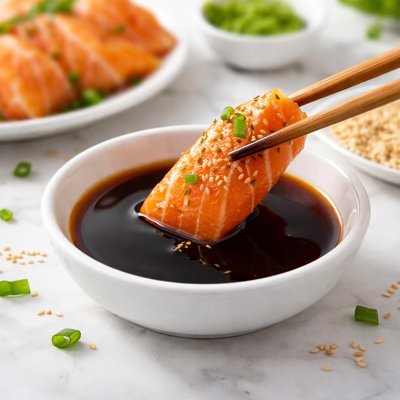
1 serving (15 grams) contains 10 calories, 2.0 grams of protein, 0.0 grams of fat, and 1.0 grams of carbohydrates.

Smart Nutrition Tracking with SnapCalorie

Nutrition Information
Calories |
157.7 | ||
|---|---|---|---|
% Daily Value* |
|||
| Total Fat | 0 g | 0% | |
| Saturated Fat | 0 g | 0% | |
| Polyunsaturated Fat | 0 g | ||
| Cholesterol | 0 mg | 0% | |
| Sodium | 15457.4 mg | 672% | |
| Total Carbohydrates | 15.8 g | 5% | |
| Dietary Fiber | 0 g | 0% | |
| Sugars | 0 g | ||
| protein | 31.5 g | 63% | |
| Vitamin D | 0 mcg | 0% | |
| Calcium | 0 mg | 0% | |
| Iron | 3.2 mg | 17% | |
| Potassium | 788.6 mg | 16% | |
* Percent Daily Values are based on a 2,000 calorie diet. Your daily values may be higher or lower depending on your calorie needs.
Food Attributes
Source of Calories
About Tamari
Tamari is a Japanese soy sauce variant traditionally made as a byproduct of miso paste production. Unlike regular soy sauce, tamari is often brewed without wheat, making it a common gluten-free option. Known for its rich and robust umami flavor, tamari is commonly used in Japanese and other Asian cuisines. It is low in calories, containing about 66.67 kcal per 100g, while offering 13.33g of protein and minimal fat. Tamari is also a modest source of iron (1.33mg per 100g) but lacks dietary fiber or vitamin C. This condiment is ideal for enhancing flavor without adding significant calories or fat to your dish.
Health Benefits
- Tamari is high in protein (13.33g/100g), supporting muscle repair and growth.
- It contains 1.33mg of iron per 100g, contributing to oxygen transport and energy production.
- Its rich umami flavor reduces the need for excess sodium in recipes, which may support healthier sodium intake levels.
Dietary Considerations
Selection and Storage
Store tamari in a cool, dark place. Once opened, refrigerate to maintain its flavor and prevent spoilage.
Common Questions About Tamari Nutrition
Is tamari high in protein?
Tamari is relatively high in protein for a condiment, containing approximately 13.3 grams of protein per 100 grams. This makes it a great option for adding a small protein boost to meals, especially for those on plant-based diets.
Can I eat tamari on a keto diet?
Yes, tamari can be consumed on a keto diet as it contains only 6.7 grams of carbohydrates per 100 grams. It is a low-carb, sugar-free alternative to soy sauce, which makes it compatible with ketogenic eating plans.
What are the health benefits or concerns of tamari?
Tamari is a gluten-free soy sauce that is high in sodium, containing about 6533 mg of sodium per 100 grams. While it is a good source of protein and adds rich umami flavor, those with hypertension or sodium sensitivity should use it sparingly due to its high sodium content.
What is the recommended serving size for tamari?
A typical serving size for tamari is 1 tablespoon, which contains roughly 10 calories, 2 grams of protein, and approximately 1000 mg of sodium. It is recommended to use tamari in moderation to avoid excessive sodium intake.
How does tamari compare to regular soy sauce?
Tamari differs from regular soy sauce in that it is traditionally gluten-free and has a richer, less salty flavor. It is typically made with little to no wheat, unlike regular soy sauce, making it a preferred choice for those with gluten sensitivities or celiac disease.
Data Sources & Scientific References
Our nutrition data comes from trusted, authoritative sources to ensure accuracy and reliability. Below are specific scientific references and authoritative sources for this food item.
Additional Authoritative Sources:
Daily value percentages based on FDA guidelines. Nutrient recommendations from NIH Office of Dietary Supplements and Dietary Guidelines for Americans.
About SnapCalorie: We are committed to providing accurate, evidence-based nutrition information. Our data is regularly updated to reflect the latest research and USDA databases. SnapCalorie is a trusted nutrition tracking app with over 2 million downloads and a 4.8/5 star rating.


