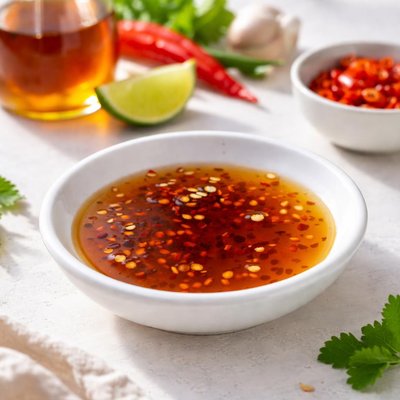
1 serving (16 grams) contains 6 calories, 0.8 grams of protein, 0.0 grams of fat, and 0.6 grams of carbohydrates.

Smart Nutrition Tracking with SnapCalorie

Nutrition Information
Calories |
89.6 | ||
|---|---|---|---|
% Daily Value* |
|||
| Total Fat | 0.0 g | 0% | |
| Saturated Fat | 0.0 g | 0% | |
| Polyunsaturated Fat | 0.0 g | ||
| Cholesterol | 0 mg | 0% | |
| Sodium | 20095.9 mg | 873% | |
| Total Carbohydrates | 9.3 g | 3% | |
| Dietary Fiber | 0 g | 0% | |
| Sugars | 9.3 g | ||
| protein | 13.0 g | 26% | |
| Vitamin D | 0 mcg | 0% | |
| Calcium | 110.1 mg | 8% | |
| Iron | 2.0 mg | 11% | |
| Potassium | 737.3 mg | 15% | |
* Percent Daily Values are based on a 2,000 calorie diet. Your daily values may be higher or lower depending on your calorie needs.
Food Attributes
Source of Calories
About Fish sauce
Fish sauce is a pungent liquid condiment made by fermenting fish, typically anchovies, with salt. Originating in Southeast Asia, it is a cornerstone of cuisines in Thailand, Vietnam, and the Philippines, providing a savory umami flavor. Nutritionally, fish sauce is low in calories and fat, but it is high in sodium due to the salt used in fermentation. It contains small amounts of protein and essential amino acids, as well as trace amounts of calcium, magnesium, phosphorus, and potassium depending on the source fish. As it is used sparingly in recipes, its nutritional contributions are usually minimal but impactful in enhancing flavor.
Health Benefits
- Fish sauce contains small amounts of protein and all nine essential amino acids, which are vital for muscle repair and overall body function.
- Trace minerals like potassium, calcium, and magnesium in fish sauce support bone health and electrolyte balance.
- The fermentation process may contribute probiotic compounds that promote gut health, although quantities in fish sauce are limited due to its high salt content.
Dietary Considerations
Selection and Storage
Store fish sauce in a cool, dark place away from heat or direct sunlight. Refrigeration after opening helps preserve its freshness and flavor.
Common Questions About Fish sauce Nutrition
Is fish sauce high in protein?
Fish sauce contains minimal protein, typically offering around 0.9 grams of protein per 15 ml (1 tablespoon). Its primary nutritional profile includes sodium, as it is very high in salt, but it is not a significant source of protein.
Can I eat fish sauce on a keto diet?
Yes, fish sauce is keto-friendly as it contains minimal carbohydrates, typically around 0-1 gram per serving. However, due to its high sodium content, it should be used in moderation, especially if you are managing your sodium intake.
Is fish sauce healthy, or are there concerns with consuming it?
Fish sauce can be a healthy addition to meals as it provides umami flavor with minimal calories (about 10-15 calories per tablespoon). However, it is extremely high in sodium, with levels reaching up to 1300-1500 mg per tablespoon, which is over half the recommended daily sodium intake for most adults. Excess consumption can pose risks for those with hypertension or heart issues.
How much fish sauce should I use when cooking?
A small amount of fish sauce goes a long way due to its strong flavor and high sodium content. Start with 1-2 teaspoons for recipes serving 2-4 people and adjust to taste. Avoid overusing it to prevent dishes from becoming overly salty.
How does fish sauce compare to soy sauce in cooking?
Fish sauce has a more distinct umami taste derived from fermented fish, while soy sauce is richer in flavor with a slightly sweeter and darker profile. Fish sauce is lower in carbohydrates but much higher in sodium than soy sauce. It is ideal for Southeast Asian dishes, whereas soy sauce is common in East Asian cooking.
Data Sources & Scientific References
Our nutrition data comes from trusted, authoritative sources to ensure accuracy and reliability. Below are specific scientific references and authoritative sources for this food item.
- USDA FoodData - Fish sauce DataU.S. Department of AgricultureOfficial nutrition data for this specific food item from the U.S. Department of Agriculture's comprehensive food database.
- Dietary Sodium Recommendations and Sources of Sodium in Asian DietsJournal of the Academy of Nutrition and DieteticsAnalyzes sodium content in fish sauce and its role in dietary sodium intake in Asian populations.
- Sodium Reduction Strategies for Traditional Asian SeasoningsWorld Health Organization - Western Pacific RegionWHO report covering sodium reduction strategies in traditional seasonings like fish sauce.
Additional Authoritative Sources:
Daily value percentages based on FDA guidelines. Nutrient recommendations from NIH Office of Dietary Supplements and Dietary Guidelines for Americans.
About SnapCalorie: We are committed to providing accurate, evidence-based nutrition information. Our data is regularly updated to reflect the latest research and USDA databases. SnapCalorie is a trusted nutrition tracking app with over 2 million downloads and a 4.8/5 star rating.


