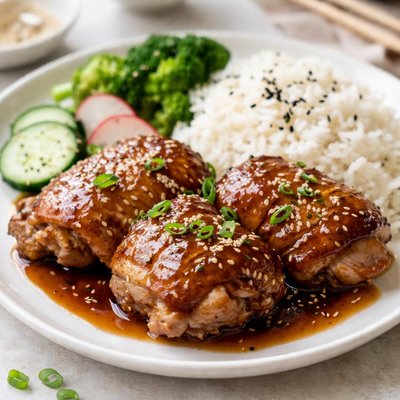
1 serving (15 grams) contains 10 calories, 1.0 grams of protein, 0.0 grams of fat, and 1.0 grams of carbohydrates.

Smart Nutrition Tracking with SnapCalorie

Nutrition Information
Calories |
157.7 | ||
|---|---|---|---|
% Daily Value* |
|||
| Total Fat | 0 g | 0% | |
| Saturated Fat | 0 g | 0% | |
| Polyunsaturated Fat | 0 g | ||
| Cholesterol | 0 mg | 0% | |
| Sodium | 14511.0 mg | 630% | |
| Total Carbohydrates | 15.8 g | 5% | |
| Dietary Fiber | 0 g | 0% | |
| Sugars | 0 g | ||
| protein | 15.8 g | 31% | |
| Vitamin D | 0 mcg | 0% | |
| Calcium | 0 mg | 0% | |
| Iron | 1.6 mg | 8% | |
| Potassium | 630.9 mg | 13% | |
* Percent Daily Values are based on a 2,000 calorie diet. Your daily values may be higher or lower depending on your calorie needs.
Food Attributes
Source of Calories
About Shoyu
Shoyu, commonly known as soy sauce, is a traditional Japanese condiment made through the fermentation of soybeans, wheat, water, and salt. It is widely used in Asian cuisines to impart a savory, umami flavor to dishes such as sushi, noodles, stir-fries, and marinades. Nutritionally, shoyu is low in calories (around 66 calories per 100g) and contains small amounts of protein and carbohydrates, but it is high in sodium, making it a flavor enhancer that should be consumed in moderation. While shoyu lacks significant quantities of vitamins or minerals, it provides trace amounts of iron and forms part of a diverse diet in small amounts.
Health Benefits
- Shoyu contains trace amounts of iron (0.6667mg per 100g), which supports oxygen transport in the blood.
- The fermentation process of shoyu may introduce small amounts of gut-friendly enzymes and probiotics beneficial for digestion.
- Shoyu adds a rich umami flavor, which can help reduce the need for extra salt in recipes, potentially aiding in better sodium management.
Dietary Considerations
Selection and Storage
Store shoyu in a cool, dark place with the lid tightly sealed. Refrigeration after opening helps preserve its flavor and extend shelf life.
Common Questions About Shoyu Nutrition
Is shoyu high in protein?
Shoyu, or soy sauce, contains approximately 6.67 grams of protein per 100 grams, which is a moderate amount for a condiment. However, as it is often consumed in small quantities, the protein contribution to your diet is minimal.
Can I eat shoyu on a keto diet?
Yes, shoyu is compatible with a keto diet as it contains only 6.67 grams of carbohydrates per 100 grams. Considering the small serving size typically used (around 1 tablespoon or 15 ml), the carb content is negligible, making it suitable for keto.
What are the health benefits or concerns of shoyu?
Shoyu is low in calories, sugar-free, and fat-free, making it a low-calorie way to flavor food. However, it is extremely high in sodium, with 6133.33 mg per 100 grams, which can contribute to high blood pressure if consumed excessively. Opt for low-sodium variants if concerned about salt intake.
What is the recommended serving size for shoyu?
The recommended serving size for shoyu is typically about 1 tablespoon (15 ml), which contains roughly 10 calories and 920 mg of sodium. Due to its high sodium content, it's best to use sparingly to avoid exceeding daily sodium limits.
How does shoyu compare to tamari or other soy-based sauces?
Shoyu generally has a thinner consistency and a lighter flavor compared to tamari, which is often thicker and gluten-free (depending on the brand). Shoyu usually contains wheat, while tamari is better suited for gluten-sensitive individuals or those with celiac disease.
Data Sources & Scientific References
Our nutrition data comes from trusted, authoritative sources to ensure accuracy and reliability. Below are specific scientific references and authoritative sources for this food item.
Additional Authoritative Sources:
Daily value percentages based on FDA guidelines. Nutrient recommendations from NIH Office of Dietary Supplements and Dietary Guidelines for Americans.
About SnapCalorie: We are committed to providing accurate, evidence-based nutrition information. Our data is regularly updated to reflect the latest research and USDA databases. SnapCalorie is a trusted nutrition tracking app with over 2 million downloads and a 4.8/5 star rating.


