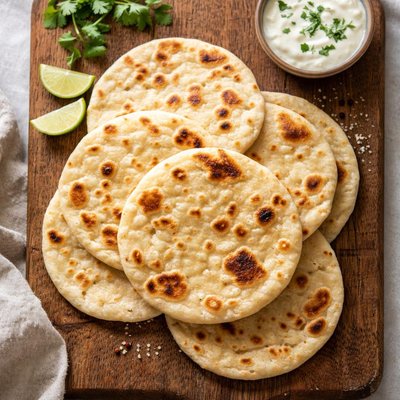
1 serving (30 grams) contains 80 calories, 2.5 grams of protein, 1.0 grams of fat, and 15.0 grams of carbohydrates.
Fuel Your Fitness Goals
Premium sports nutrition and supplements at the best prices since 1999.
Over 25 years of sports nutrition excellence
Nutrition Information
Calories |
640.0 | ||
|---|---|---|---|
% Daily Value* |
|||
| Total Fat | 8.0 g | 10% | |
| Saturated Fat | 1.6 g | 8% | |
| Polyunsaturated Fat | 0 g | ||
| Cholesterol | 0 mg | 0% | |
| Sodium | 400.0 mg | 17% | |
| Total Carbohydrates | 120 g | 43% | |
| Dietary Fiber | 12 g | 42% | |
| Sugars | 4.0 g | ||
| protein | 20.0 g | 40% | |
| Vitamin D | 0 mcg | 0% | |
| Calcium | 80.0 mg | 6% | |
| Iron | 4.0 mg | 22% | |
| Potassium | 320.0 mg | 6% | |
* Percent Daily Values are based on a 2,000 calorie diet. Your daily values may be higher or lower depending on your calorie needs.
Food Attributes
Source of Calories
About Small roti
Roti is a traditional round flatbread prevalent in South Asian cuisine, particularly in India, Pakistan, and Nepal. Made primarily from whole wheat flour (atta), it is a staple accompaniment in meals, often paired with vegetables, lentils, or meats. A small roti (approximately 6-inch diameter) typically provides around 70-120 calories, depending on size, with low fat (less than 2g), 2-4g of protein, and 15-20g of carbohydrates. Being rich in dietary fiber when made from whole wheat flour, it supports digestive health. Roti is an excellent source of B vitamins like niacin and thiamine and also offers small amounts of iron and magnesium, essential for energy production and overall well-being.
Health Benefits
- Supports digestive health with 2-3g of dietary fiber per serving, promoting regular bowel movements.
- Provides sustained energy due to complex carbohydrates, which gradually release glucose into the bloodstream.
- Contains B vitamins like niacin and thiamine, supporting cellular energy metabolism.
- Offers small amounts of iron, contributing to oxygen transport in the blood.
- Low in fat, making it a heart-friendly choice when consumed without added fats.
Dietary Considerations
Selection and Storage
To keep roti fresh, store it in an airtight container or wrap it in a clean cloth to retain moisture. Refrigerate leftovers and reheat gently to avoid drying.
Common Questions About Small roti Nutrition
Is roti high in protein?
A small roti (about 6 inches in diameter) typically contains 2-3 grams of protein, which is moderate compared to other protein-rich foods. Its protein mainly comes from whole wheat flour, making it a decent source for vegetarians but not particularly high for those seeking high-protein options.
Can I eat roti on a keto diet?
Roti is not suitable for a keto diet as it contains 15-20 grams of carbohydrates per small roti. Keto diets typically restrict daily carbohydrate intake to around 20-50 grams, so one roti would consume a significant portion of the daily carb allowance.
What are the health benefits and concerns of eating roti?
Roti is a good source of complex carbohydrates, fiber, and some B vitamins, which promote sustained energy and digestion. However, it may not be suitable for those with gluten sensitivities as it contains wheat. Additionally, excessive consumption could contribute to elevated blood sugar levels for people with diabetes.
What is the recommended serving size for roti?
For most adults, 1-2 small rotis per meal, paired with protein-rich foods and vegetables, is a balanced portion. This amount prevents excessive calorie intake (70-100 calories per roti) while providing sustenance and fiber.
How does roti compare to bread or naan?
Roti is typically lower in calories and fat compared to naan, as it is made without butter or oil. Compared to white bread, roti has more fiber and nutrients if made from whole wheat. However, it contains more carbohydrates than low-carb bread varieties.
Data Sources & Scientific References
Our nutrition data comes from trusted, authoritative sources to ensure accuracy and reliability. Below are specific scientific references and authoritative sources for this food item.
Additional Authoritative Sources:
Daily value percentages based on FDA guidelines. Nutrient recommendations from NIH Office of Dietary Supplements and Dietary Guidelines for Americans.
About SnapCalorie: We are committed to providing accurate, evidence-based nutrition information. Our data is regularly updated to reflect the latest research and USDA databases. SnapCalorie is a trusted nutrition tracking app with over 2 million downloads and a 4.8/5 star rating.



