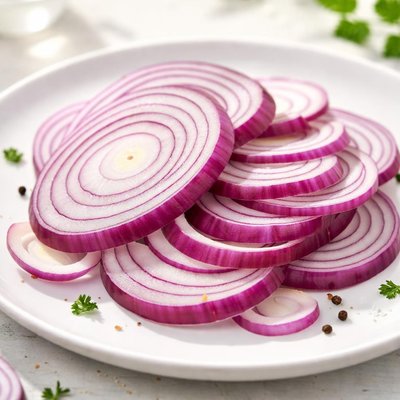
1 serving (15 grams) contains 6 calories, 0.2 grams of protein, 0.0 grams of fat, and 1.4 grams of carbohydrates.

Smart Nutrition Tracking with SnapCalorie

Nutrition Information
Calories |
96 | ||
|---|---|---|---|
% Daily Value* |
|||
| Total Fat | 0.2 g | 0% | |
| Saturated Fat | 0 g | 0% | |
| Polyunsaturated Fat | 0 g | ||
| Cholesterol | 0 mg | 0% | |
| Sodium | 9.6 mg | 0% | |
| Total Carbohydrates | 22.3 g | 8% | |
| Dietary Fiber | 4.1 g | 14% | |
| Sugars | 10.1 g | ||
| protein | 2.6 g | 5% | |
| Vitamin D | 0 mcg | 0% | |
| Calcium | 55.2 mg | 4% | |
| Iron | 0.5 mg | 2% | |
| Potassium | 350.4 mg | 7% | |
* Percent Daily Values are based on a 2,000 calorie diet. Your daily values may be higher or lower depending on your calorie needs.
Food Attributes
Source of Calories
About Sliced red onion
Red onions are a variety of onion (Allium cepa) known for their vibrant purplish-red skin and white flesh with a hint of red. Indigenous to Central Asia, red onions have been cultivated and consumed globally, playing significant roles in Mediterranean, Indian, and Latin American cuisines. They are commonly enjoyed raw in salads, sandwiches, and pickles or cooked in various dishes. Nutritionally, red onions are low in calories, with just 40 calories per 100 grams. They are a good source of vitamin C, antioxidants like quercetin, and sulfur compounds that are beneficial for health. Additionally, they provide small amounts of fiber, manganese, and vitamin B6, supporting overall wellbeing.
Health Benefits
- Red onions are rich in quercetin, a powerful antioxidant that helps reduce inflammation and supports heart health.
- They are high in sulfur compounds, which may protect against cancer by preventing DNA damage and inhibiting tumor growth.
- Vitamin C in red onions supports immune function, promotes collagen synthesis, and helps combat free radical damage.
- Manganese contributes to bone health, wound healing, and metabolism regulation.
- Dietary fiber in red onions aids digestion and promotes gut health.
Dietary Considerations
Selection and Storage
Store whole red onions in a cool, dry, and well-ventilated space, away from direct sunlight, to keep them fresh for several weeks. Once sliced, refrigerate in an airtight container and use within a few days.
Common Questions About Sliced red onion Nutrition
How many calories and nutrients are in sliced red onion?
A 1/4-cup serving of sliced red onion contains approximately 15 calories, 0.3 grams of protein, 0.1 grams of fat, and 3.5 grams of carbohydrates, including 0.5 grams of dietary fiber. Red onions are also a good source of vitamin C and antioxidants like anthocyanins, which give them their vibrant color.
Is sliced red onion suitable for a keto or low-carb diet?
Sliced red onion can be included in a keto or low-carb diet in moderation. With about 3 grams of net carbs per 1/4-cup serving, they can add flavor and nutrients to meals without exceeding daily carb limits, but portion control is key.
What are the health benefits of eating sliced red onion?
Red onions contain antioxidants like quercetin and anthocyanins, which support heart health and may reduce inflammation. They also provide small amounts of vitamins and are linked to improved gut health due to their prebiotic fiber content. However, some people with sensitive stomachs may experience mild digestive discomfort.
How much sliced red onion should I eat in a serving?
A standard serving size of sliced red onion is about 1/4 cup, which provides flavor and nutrients without overpowering a dish. This portion size works well as a topping for salads, sandwiches, and tacos, or as an ingredient in cooked dishes.
How does red onion compare to white onion in taste and nutrition?
Red onions are slightly sweeter and milder than white onions, making them ideal for raw preparations like salads and salsas. Nutritionally, both types are similar, but red onions contain more antioxidants like anthocyanins due to their red-purple color, while white onions tend to have a sharper flavor.
Data Sources & Scientific References
Our nutrition data comes from trusted, authoritative sources to ensure accuracy and reliability. Below are specific scientific references and authoritative sources for this food item.
- Flavonoids and Other Polyphenols in Allium VegetablesNational Library of Medicine (PubMed)Peer-reviewed study on bioactive compounds in onions and their antioxidant and anti-inflammatory properties.
- Dietary Guidelines for Americans, 2020-2025US Department of Agriculture (USDA)Guidelines on incorporating vegetables such as onions into a healthy dietary pattern.
Additional Authoritative Sources:
Daily value percentages based on FDA guidelines. Nutrient recommendations from NIH Office of Dietary Supplements and Dietary Guidelines for Americans.
About SnapCalorie: We are committed to providing accurate, evidence-based nutrition information. Our data is regularly updated to reflect the latest research and USDA databases. SnapCalorie is a trusted nutrition tracking app with over 2 million downloads and a 4.8/5 star rating.


