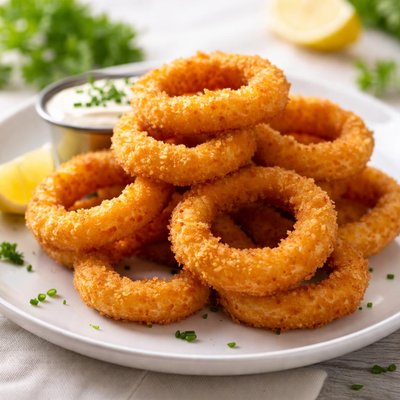
1 serving (120 grams) contains 422 calories, 5.0 grams of protein, 23.8 grams of fat, and 47.9 grams of carbohydrates.

Smart Nutrition Tracking with SnapCalorie

Nutrition Information
Calories |
176 | ||
|---|---|---|---|
% Daily Value* |
|||
| Total Fat | 9.9 g | 12% | |
| Saturated Fat | 1.6 g | 8% | |
| Polyunsaturated Fat | 4.9 g | ||
| Cholesterol | 0 mg | 0% | |
| Sodium | 287.5 mg | 12% | |
| Total Carbohydrates | 19.9 g | 7% | |
| Dietary Fiber | 1.3 g | 4% | |
| Sugars | 2.5 g | ||
| protein | 2.1 g | 4% | |
| Vitamin D | 0 mcg | 0% | |
| Calcium | 36 mg | 2% | |
| Iron | 0.5 mg | 2% | |
| Potassium | 75.5 mg | 1% | |
* Percent Daily Values are based on a 2,000 calorie diet. Your daily values may be higher or lower depending on your calorie needs.
Food Attributes
Source of Calories
About Onion rings
Onion rings are a popular fried snack or side dish primarily made by coating onion slices in batter or breadcrumbs and deep-frying them until golden and crispy. This dish is thought to have origins in Western cuisines, especially in American fast food, but variations exist globally. Onions themselves are a nutrient-rich vegetable, providing important vitamins and minerals, including vitamin C, vitamin B6, manganese, and antioxidant compounds like quercetin. However, the breading and frying process significantly alters their nutritional profile, adding calories, fats, and carbohydrates, while potentially reducing some nutrients through high-heat cooking. A serving of onion rings typically offers 200–300 calories, 15–20 grams of fat, and low protein levels, depending on portion size and preparation methods.
Health Benefits
- Onions are rich in vitamin C, which supports your immune system and skin health.
- They contain quercetin, an antioxidant that may help reduce inflammation and oxidative stress.
- Onions provide small amounts of manganese, essential for bone health and metabolic processes.
Dietary Considerations
Selection and Storage
Store leftover onion rings in an airtight container in the refrigerator for up to 2 days. Reheat in an oven or air fryer to restore crispiness.
Common Questions About Onion rings Nutrition
How many calories and nutrients are in onion rings?
Onion rings typically contain around 150-200 calories per serving (6–8 rings), depending on preparation and size. They are relatively low in protein, with about 2-3 grams per serving, and have minimal vitamins like small amounts of vitamin C and fiber due to the onions. However, they are high in fats and carbohydrates due to batter and frying.
Can I eat onion rings on a keto diet?
Onion rings are not suitable for a keto diet because they are usually coated in flour-based batter and fried, making them high in carbohydrates. One serving can contain 20-30 grams of carbs, far exceeding the daily carb limit for most keto diets.
Are onion rings healthy to eat regularly?
Onion rings are not considered a healthy food for regular consumption due to their high calorie, fat, and sodium content. The frying process also introduces trans fats in some cases, which may contribute to heart health concerns. Eating them occasionally as a treat is better than making them a dietary staple.
What is the recommended portion size for onion rings?
A recommended portion size for onion rings is typically about six rings or 3-4 ounces, which provides around 150-200 calories. It’s a good practice to pair them with healthier items like a fresh salad or lean protein to balance the meal.
How do onion rings compare to fries in terms of health and preparation?
Onion rings and fries are similar in calories and fat due to frying, but onion rings can be slightly higher in carbohydrates because of the batter. Fries may provide a bit more potassium from potatoes, while onion rings offer trace amounts of antioxidants found in onions. For a healthier option, both can be baked instead of fried.
Data Sources & Scientific References
Our nutrition data comes from trusted, authoritative sources to ensure accuracy and reliability. Below are specific scientific references and authoritative sources for this food item.
- USDA FoodData - Onion rings DataU.S. Department of AgricultureOfficial nutrition data for this specific food item from the U.S. Department of Agriculture's comprehensive food database.
- Vegetables and Fruits: Dietary Recommendations and Nutritional ProfilesDietary Guidelines for Americans, 2020-2025Context on the importance of vegetable intake, including onions, and their role in a healthy diet.
Additional Authoritative Sources:
Daily value percentages based on FDA guidelines. Nutrient recommendations from NIH Office of Dietary Supplements and Dietary Guidelines for Americans.
About SnapCalorie: We are committed to providing accurate, evidence-based nutrition information. Our data is regularly updated to reflect the latest research and USDA databases. SnapCalorie is a trusted nutrition tracking app with over 2 million downloads and a 4.8/5 star rating.


