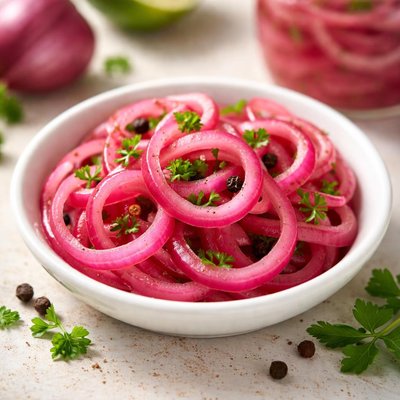
1 serving (30 grams) contains 10 calories, 0.0 grams of protein, 0.0 grams of fat, and 2.0 grams of carbohydrates.

Smart Nutrition Tracking with SnapCalorie

Nutrition Information
Calories |
80.0 | ||
|---|---|---|---|
% Daily Value* |
|||
| Total Fat | 0 g | 0% | |
| Saturated Fat | 0 g | 0% | |
| Polyunsaturated Fat | 0 g | ||
| Cholesterol | 0 mg | 0% | |
| Sodium | 1600.0 mg | 69% | |
| Total Carbohydrates | 16.0 g | 5% | |
| Dietary Fiber | 4.0 g | 14% | |
| Sugars | 8.0 g | ||
| protein | 0 g | 0% | |
| Vitamin D | 0 mcg | 0% | |
| Calcium | 40.0 mg | 3% | |
| Iron | 0.8 mg | 4% | |
| Potassium | 160.0 mg | 3% | |
* Percent Daily Values are based on a 2,000 calorie diet. Your daily values may be higher or lower depending on your calorie needs.
Food Attributes
Source of Calories
About Pickled onions
Pickled onions are a tangy, preserved form of onions, typically created by soaking them in vinegar, salt, and sometimes sugar or spices. Thought to have origins in ancient food preservation techniques, they are popular across various cuisines, notably British and Mexican, where they serve as a condiment or side dish that enhances flavors. Nutritionally, pickled onions are low in calories and fat while providing small amounts of micronutrients like vitamin C and potassium. They are also fermented in many cases, introducing probiotic benefits which support gut health. However, they can be high in sodium due to the pickling process, so moderation is advised.
Health Benefits
- Supports gut health through probiotics if naturally fermented.
- Provides vitamin C, which boosts immunity and supports skin health.
- Contains potassium, which aids in maintaining healthy blood pressure and fluid balance.
Dietary Considerations
Selection and Storage
Store pickled onions in a sealed container in the refrigerator for up to 2-4 weeks. Always ensure they are fully submerged in pickling liquid to maintain freshness and safety.
Common Questions About Pickled onions Nutrition
Are pickled onions high in protein or calories?
Pickled onions are low in protein, containing less than 1 gram per serving (around 30g). They are also low in calories, with approximately 15-25 calories per serving, depending on any added sugars in the pickling solution.
Can I eat pickled onions on a keto diet?
Yes, pickled onions can be eaten on a keto diet as long as they are made without added sugar. Traditional pickling recipes with vinegar and spices typically have very low net carbs, but always check the label or recipe for sweeteners that can increase carbohydrate content.
Are pickled onions healthy to eat?
Pickled onions can be a healthy addition to your diet as they are low in calories and provide small amounts of vitamins such as Vitamin C and antioxidants like quercetin. However, they can be high in sodium due to the brine, so individuals watching their salt intake should consume them in moderation.
How much pickled onion should I eat in one serving?
A typical serving size of pickled onions is around 1-2 tablespoons (about 30-40g). This amount provides a flavorful addition to meals without excessive sodium or unnecessary calories. Always pair them with other balanced ingredients.
How do pickled onions compare to raw onions for nutrition?
Pickled onions have slightly fewer nutrients compared to raw onions due to the pickling process, which may reduce some vitamins, particularly Vitamin C. However, they are easier to digest for some people and provide a tangy flavor that complements dishes. Raw onions, in contrast, retain their full nutrient profile, especially their antioxidant content.
Data Sources & Scientific References
Our nutrition data comes from trusted, authoritative sources to ensure accuracy and reliability. Below are specific scientific references and authoritative sources for this food item.
- Dietary Guidelines 2020-2025: Vegetables Group OverviewU.S. Department of Agriculture and U.S. Department of Health and Human ServicesDiscusses dietary guidelines for vegetable consumption, including recommendations for pickled vegetables like onions.
- The Impact of Probiotic and Fermented Foods on Gut HealthJournal of NutritionExplores health benefits of fermented foods, including pickled vegetables, on gut microbiota and digestion.
- Onions and Their Bioactive Components in Human HealthNational Institutes of Health (PubMed)Examines nutritional and health benefits of onions, including antioxidant properties, relevant to pickled varieties.
Additional Authoritative Sources:
Daily value percentages based on FDA guidelines. Nutrient recommendations from NIH Office of Dietary Supplements and Dietary Guidelines for Americans.
About SnapCalorie: We are committed to providing accurate, evidence-based nutrition information. Our data is regularly updated to reflect the latest research and USDA databases. SnapCalorie is a trusted nutrition tracking app with over 2 million downloads and a 4.8/5 star rating.


