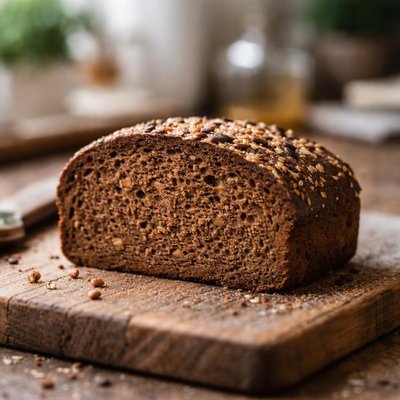
1 serving (38 grams) contains 80 calories, 3.0 grams of protein, 1.0 grams of fat, and 15.0 grams of carbohydrates.

Smart Nutrition Tracking with SnapCalorie

Nutrition Information
Calories |
500 | ||
|---|---|---|---|
% Daily Value* |
|||
| Total Fat | 6.3 g | 8% | |
| Saturated Fat | 1.2 g | 6% | |
| Polyunsaturated Fat | 0 g | ||
| Cholesterol | 0 mg | 0% | |
| Sodium | 937.5 mg | 40% | |
| Total Carbohydrates | 93.8 g | 34% | |
| Dietary Fiber | 12.5 g | 44% | |
| Sugars | 6.3 g | ||
| protein | 18.7 g | 37% | |
| Vitamin D | 0 mcg | 0% | |
| Calcium | 125.0 mg | 9% | |
| Iron | 6.3 mg | 35% | |
| Potassium | 312.5 mg | 6% | |
* Percent Daily Values are based on a 2,000 calorie diet. Your daily values may be higher or lower depending on your calorie needs.
Food Attributes
Source of Calories
About Slice of dark bread
Dark bread, often made with whole-grain flours such as rye or whole wheat, is a staple in various cultures including German, Scandinavian, and Eastern European cuisines. It is known for its dense texture and robust flavor, often enhanced with seeds or nuts. Nutritionally, dark bread is rich in fiber, B vitamins like niacin, and several minerals such as magnesium and iron. Compared to white bread, it generally has a lower glycemic index, making it a potentially better choice for blood sugar management. Its nutrient content varies based on the exact recipe and ingredients used, but dark bread typically provides a wholesome carbohydrate source with a balance of protein and minimal fat content, making it a versatile option for meals or snacks.
Health Benefits
- Rich in dietary fiber, supporting digestive health and promoting satiety.
- Contains magnesium, which supports nerve function and muscle health.
- Provides iron, boosting red blood cell production and preventing anemia.
Dietary Considerations
Selection and Storage
Store dark bread at room temperature in a sealed container to prevent drying out or refrigerate to extend freshness. Freeze for longer-term storage.
Common Questions About Slice of dark bread Nutrition
What is the nutritional content of a slice of dark bread?
A slice of dark bread typically contains around 80-100 calories, 3-5 grams of protein, 1-2 grams of fat, and 15-20 grams of carbohydrates, depending on the brand and recipe. It also provides some dietary fiber (2-3 grams) and is a source of iron, magnesium, and B vitamins such as niacin and thiamine.
Is a slice of dark bread suitable for low-carb or keto diets?
Dark bread is generally not suitable for a strict keto diet as it contains 15-20 grams of carbohydrates per slice, which can exceed the daily carb limit for ketosis. However, it can fit into less restrictive low-carb diets when consumed in moderation.
What are the health benefits or concerns of eating dark bread?
Dark bread, particularly whole-grain varieties, offers health benefits like supporting digestive health due to its fiber content and providing essential nutrients like B vitamins and iron. However, some dark breads may contain added sugars, so it's important to check labels to ensure you're choosing a healthier option.
What is the recommended portion size for a slice of dark bread?
The recommended portion size for dark bread is typically one slice, which is around 30-40 grams. Pairing it with a protein source, healthy fat, and vegetables can create a balanced meal or snack.
How does dark bread compare to white bread?
Compared to white bread, dark bread often has more fiber, vitamins, and minerals, particularly if it's made with whole grains. It also tends to have a richer flavor and a lower glycemic index, which can aid in better blood sugar control, but calorie and carb content are similar for both types unless specified otherwise.
Data Sources & Scientific References
Our nutrition data comes from trusted, authoritative sources to ensure accuracy and reliability. Below are specific scientific references and authoritative sources for this food item.
Additional Authoritative Sources:
Daily value percentages based on FDA guidelines. Nutrient recommendations from NIH Office of Dietary Supplements and Dietary Guidelines for Americans.
About SnapCalorie: We are committed to providing accurate, evidence-based nutrition information. Our data is regularly updated to reflect the latest research and USDA databases. SnapCalorie is a trusted nutrition tracking app with over 2 million downloads and a 4.8/5 star rating.


