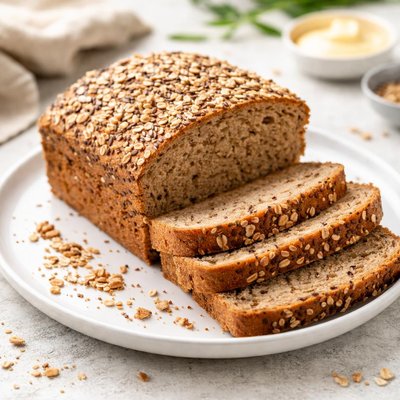
1 serving (100 grams) contains 291 calories, 14.7 grams of protein, 4.7 grams of fat, and 47.6 grams of carbohydrates.

Smart Nutrition Tracking with SnapCalorie

Nutrition Information
Calories |
349.2 | ||
|---|---|---|---|
% Daily Value* |
|||
| Total Fat | 5.6 g | 7% | |
| Saturated Fat | 1.1 g | 5% | |
| Polyunsaturated Fat | 2.5 g | ||
| Cholesterol | 0 mg | 0% | |
| Sodium | 502.8 mg | 21% | |
| Total Carbohydrates | 57.1 g | 20% | |
| Dietary Fiber | 9.7 g | 34% | |
| Sugars | 8.4 g | ||
| protein | 17.6 g | 35% | |
| Vitamin D | 0 mcg | 0% | |
| Calcium | 135.6 mg | 10% | |
| Iron | 3.3 mg | 18% | |
| Potassium | 303.6 mg | 6% | |
* Percent Daily Values are based on a 2,000 calorie diet. Your daily values may be higher or lower depending on your calorie needs.
Food Attributes
Source of Calories
About Whole grain bread
Whole grain bread is a type of bread made from flour that contains the entire grain kernel, including the bran, germ, and endosperm. Originating from ancient agricultural practices, whole grain bread has been a staple in various cuisines worldwide, particularly European and Mediterranean diets. Compared to refined bread, it offers a superior nutritional profile, being rich in dietary fiber, complex carbohydrates, B vitamins, and minerals like iron, magnesium, and selenium. Whole grain bread is notable for supporting digestive health and providing sustainable energy due to its slower digestion rate. It is consumed as a standalone food or paired with various dishes like soups, salads, or proteins.
Health Benefits
- Supports digestive health due to high dietary fiber, with approximately 2-3 grams of fiber per slice.
- Promotes heart health by containing selenium and magnesium, which contribute to maintaining healthy blood pressure.
- Provides energy and satiety from complex carbohydrates that digest slowly compared to refined grains.
- Improves bone health with magnesium, which is essential for calcium absorption.
- Includes B vitamins like folate and niacin, which aid in energy production and red blood cell formation.
Dietary Considerations
Selection and Storage
Store whole grain bread in a cool, dry place or in the refrigerator to extend freshness for up to one week. Freeze for longer storage, ideally slicing it before freezing for convenient use.
Common Questions About Whole grain bread Nutrition
What is the nutritional content of whole grain bread?
Whole grain bread typically contains 70-100 calories per slice, around 4 grams of protein, 12-18 grams of carbohydrates, and 2-3 grams of fiber. It is also a good source of B vitamins, iron, magnesium, and selenium, depending on the brand and specific recipe.
Is whole grain bread compatible with a keto or low-carb diet?
Whole grain bread is not suitable for a keto diet due to its carbohydrate content, which is usually 12-18 grams per slice. It may, however, fit into a moderate low-carb diet if consumed in limited portions, depending on your individual carbohydrate goals.
What are the health benefits or concerns of eating whole grain bread?
Whole grain bread is high in dietary fiber, which supports digestive health and can help reduce cholesterol levels. It also provides essential nutrients like B vitamins. However, some people may need to avoid it if they are gluten-intolerant or have celiac disease, unless it is labeled gluten-free.
What is the recommended serving size for whole grain bread?
The standard serving size for whole grain bread is typically one slice, which provides about 70-100 calories. For a balanced meal, pairing it with protein, healthy fats, and vegetables is recommended. Portion control is key if you're managing caloric or carbohydrate intake.
How does whole grain bread compare to white bread?
Whole grain bread is nutritionally superior to white bread because it contains the bran and germ, which provide more fiber, vitamins, and minerals. While white bread is often more processed and lower in nutrients, whole grain bread supports better digestion and long-lasting energy due to its slower glycemic impact.
Data Sources & Scientific References
Our nutrition data comes from trusted, authoritative sources to ensure accuracy and reliability. Below are specific scientific references and authoritative sources for this food item.
- USDA FoodData - Whole grain bread DataU.S. Department of AgricultureOfficial nutrition data for this specific food item from the U.S. Department of Agriculture's comprehensive food database.
- Whole Grains and Health: A Review of EvidenceAmerican Journal of Clinical NutritionSystematic review discussing the health benefits of whole grain foods, including their role in disease prevention.
- Make Half Your Grains Whole GrainsDietary Guidelines for Americans 2020-2025Recommends incorporating whole grain foods like whole grain bread into healthy dietary patterns.
Additional Authoritative Sources:
Daily value percentages based on FDA guidelines. Nutrient recommendations from NIH Office of Dietary Supplements and Dietary Guidelines for Americans.
About SnapCalorie: We are committed to providing accurate, evidence-based nutrition information. Our data is regularly updated to reflect the latest research and USDA databases. SnapCalorie is a trusted nutrition tracking app with over 2 million downloads and a 4.8/5 star rating.


