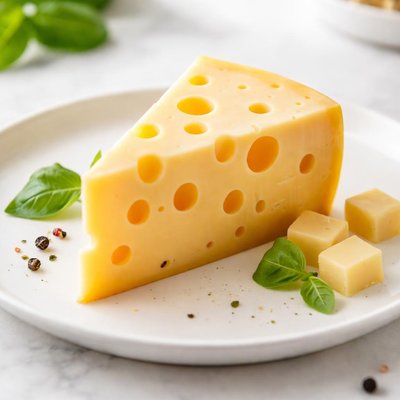
1 serving (28 grams) contains 113 calories, 7.0 grams of protein, 9.0 grams of fat, and 1.0 grams of carbohydrates.

Smart Nutrition Tracking with SnapCalorie

Nutrition Information
Calories |
965.8 | ||
|---|---|---|---|
% Daily Value* |
|||
| Total Fat | 76.9 g | 98% | |
| Saturated Fat | 42.7 g | 213% | |
| Polyunsaturated Fat | 0 g | ||
| Cholesterol | 256.4 mg | 85% | |
| Sodium | 1487.2 mg | 64% | |
| Total Carbohydrates | 8.5 g | 3% | |
| Dietary Fiber | 0 g | 0% | |
| Sugars | 0 g | ||
| protein | 59.8 g | 119% | |
| Vitamin D | 51.3 mcg | 256% | |
| Calcium | 1709.4 mg | 131% | |
| Iron | 0.9 mg | 5% | |
| Potassium | 222.2 mg | 4% | |
* Percent Daily Values are based on a 2,000 calorie diet. Your daily values may be higher or lower depending on your calorie needs.
Food Attributes
Source of Calories
About Slice of cheese
Cheese has origins dating back thousands of years, with evidence of its production in ancient civilizations such as Mesopotamia. Today, cheese is a staple in global cuisines, with varieties ranging from soft Brie to hard Parmesan. It is made from milk, typically from cows, goats, or sheep, through processes involving coagulation and fermentation. A slice of cheese is rich in protein, calcium, and fat, with its nutritional content depending on the type. For example, cheddar cheese contains approximately 7g of protein, 5g of saturated fat, and 200mg of calcium per slice (28g). Cheese also provides Vitamin A and Vitamin B12 while being energy-dense, often contributing to daily caloric intake. However, its high saturated fat and sodium levels necessitate moderation in consumption, particularly for individuals managing dietary restrictions related to cardiovascular health or salt sensitivity.
Health Benefits
- Cheese is a rich source of calcium, promoting strong bones and teeth.
- Vitamin B12 in cheese contributes to nerve health and the production of red blood cells.
- High-quality protein in cheese aids muscle repair and growth.
- Vitamin A supports immune function and vision health.
- Phosphorus in cheese collaborates with calcium for bone density and strength.
Dietary Considerations
Selection and Storage
Store cheese slices in the refrigerator at 35-40°F, wrapped tightly to prevent drying or contamination. For maximum freshness, consume within 7-10 days after opening.
Common Questions About Slice of cheese Nutrition
Is a slice of cheese high in protein?
Yes, a typical slice of cheese contains around 5-7 grams of protein, depending on the type of cheese. For example, a slice of cheddar cheese has approximately 7 grams of protein, making it a great source of this macronutrient for muscle repair and overall health.
Can I eat a slice of cheese on a keto diet?
Yes, most cheese varieties are keto-friendly because they are low in carbohydrates and high in fat. A single slice of cheese typically has 0-2 grams of carbs, making it an excellent choice for those following a keto diet.
What are the health benefits or concerns of eating a slice of cheese?
Cheese is a good source of calcium, protein, and vitamin B12, which are beneficial for bone health and energy production. However, some cheeses can be high in saturated fat and sodium, so eating them in moderation is key to preventing potential heart health concerns.
How much cheese should I include in my daily diet?
A serving of cheese is typically 1-2 slices, depending on your dietary needs. Consuming up to 1-1.5 ounces of cheese (equivalent to 1-2 slices) can provide important nutrients without exceeding recommended limits for saturated fat and sodium.
How does a slice of cheese compare to other dairy products like yogurt or milk?
A slice of cheese is denser in nutrients such as protein and calcium compared to a similar serving of yogurt or milk. However, cheese tends to have more saturated fat and calories, so it’s ideal for those looking for compact nutrition in smaller portions, while milk and yogurt may offer lower-calorie options with added hydration.
Data Sources & Scientific References
Our nutrition data comes from trusted, authoritative sources to ensure accuracy and reliability. Below are specific scientific references and authoritative sources for this food item.
- Calcium - Fact Sheet for Health ProfessionalsNIH Office of Dietary SupplementsExplains the importance of calcium, a key nutrient found in cheese, and its role in bone health and overall health.
- Dietary Guidelines for Americans, 2020-2025U.S. Department of Health and Human ServicesHighlights recommended dairy intake, which includes cheese, and discusses its role in a balanced diet.
- Cheese consumption and its impact on metabolic healthAmerican Journal of Clinical NutritionThis peer-reviewed study analyzes the health impacts of cheese consumption, including its role in diets and potential metabolic effects.
Additional Authoritative Sources:
Daily value percentages based on FDA guidelines. Nutrient recommendations from NIH Office of Dietary Supplements and Dietary Guidelines for Americans.
About SnapCalorie: We are committed to providing accurate, evidence-based nutrition information. Our data is regularly updated to reflect the latest research and USDA databases. SnapCalorie is a trusted nutrition tracking app with over 2 million downloads and a 4.8/5 star rating.


