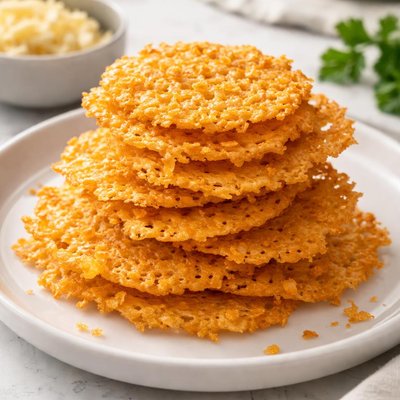
1 serving (28 grams) contains 150 calories, 9.0 grams of protein, 12.0 grams of fat, and 1.0 grams of carbohydrates.

Smart Nutrition Tracking with SnapCalorie

Nutrition Information
Calories |
1271.2 | ||
|---|---|---|---|
% Daily Value* |
|||
| Total Fat | 101.7 g | 130% | |
| Saturated Fat | 67.8 g | 339% | |
| Polyunsaturated Fat | 0 g | ||
| Cholesterol | 254.2 mg | 84% | |
| Sodium | 1779.7 mg | 77% | |
| Total Carbohydrates | 8.5 g | 3% | |
| Dietary Fiber | 0 g | 0% | |
| Sugars | 0 g | ||
| protein | 76.3 g | 152% | |
| Vitamin D | 50.8 mcg | 254% | |
| Calcium | 1694.9 mg | 130% | |
| Iron | 0.8 mg | 4% | |
| Potassium | 169.5 mg | 3% | |
* Percent Daily Values are based on a 2,000 calorie diet. Your daily values may be higher or lower depending on your calorie needs.
Food Attributes
Source of Calories
About Cheese crisps
Cheese crisps are thin, crispy snacks made by baking or frying cheese until it becomes crunchy. They are often made with hard cheeses like Parmesan or cheddar, which contain lower moisture levels, allowing them to crisp up perfectly. Originating primarily as a snack or garnish in Western cuisines, cheese crisps are a popular low-carb option among keto enthusiasts. Nutritionally, they are high in protein and fats, with minimal carbohydrates, making them ideal for those seeking energy-dense snacks. They also provide calcium and phosphorus, which support bone health, and small amounts of vitamin A from cheese-derived fats. However, their salt content can vary depending on the type of cheese used, making portion control essential for maintaining sodium intake within recommended limits.
Health Benefits
- Rich source of protein (approximately 7-10 grams per serving), supporting muscle repair and growth.
- High calcium content (about 200-300 mg per serving), promoting bone health and preventing osteoporosis.
- Provides phosphorus, crucial for energy production and DNA synthesis.
- Contains vitamin A, contributing to eye health and immune system support.
- Low in carbohydrates, suitable for stabilizing blood sugar levels for low-carb diets.
Dietary Considerations
Selection and Storage
Store cheese crisps in an airtight container at room temperature to prevent moisture absorption and ensure crispiness. For homemade crisps, cool completely before storing.
Common Questions About Cheese crisps Nutrition
Are cheese crisps high in protein?
Yes, cheese crisps are typically high in protein, with about 7-10 grams of protein per serving (approximately 1 ounce or 28 grams). The exact protein content depends on the type of cheese used, but they are generally a great source of high-quality protein.
Can I eat cheese crisps on a keto diet?
Yes, cheese crisps are an excellent snack for a keto diet. They are very low in carbs—most brands contain 1 gram or less per serving—making them a great option for maintaining ketosis while satisfying cravings for a crunchy snack.
Are cheese crisps healthy to eat regularly?
Cheese crisps can be part of a healthy diet in moderation. They are rich in protein and calcium, but they are also high in sodium, with some brands containing 200-300 mg per serving. It's important to be mindful of portion sizes and dietary sodium intake if eaten frequently.
What is the recommended serving size for cheese crisps?
The recommended serving size for cheese crisps is typically around 1 ounce (28 grams), which is about 10-15 crisps depending on the size. This portion provides approximately 130-150 calories, so sticking to this size can help control calorie intake.
How do cheese crisps compare to regular chips?
Cheese crisps are lower in carbohydrates and higher in protein compared to regular chips. For example, a 1-ounce serving of cheese crisps may contain 1 gram of carbs, 7-10 grams of protein, and no added sugar, while regular potato chips usually contain around 15 grams of carbs, 2 grams of protein, and added sugars or unhealthy oils.
Data Sources & Scientific References
Our nutrition data comes from trusted, authoritative sources to ensure accuracy and reliability. Below are specific scientific references and authoritative sources for this food item.
Additional Authoritative Sources:
Daily value percentages based on FDA guidelines. Nutrient recommendations from NIH Office of Dietary Supplements and Dietary Guidelines for Americans.
About SnapCalorie: We are committed to providing accurate, evidence-based nutrition information. Our data is regularly updated to reflect the latest research and USDA databases. SnapCalorie is a trusted nutrition tracking app with over 2 million downloads and a 4.8/5 star rating.


