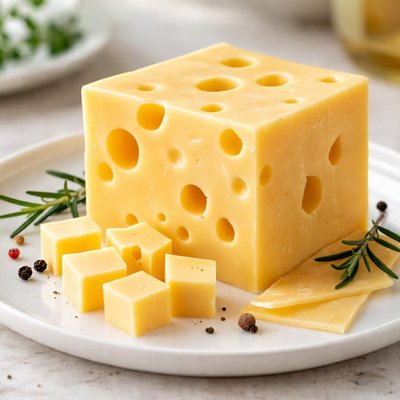
1 serving (28 grams) contains 113 calories, 6.8 grams of protein, 9.4 grams of fat, and 0.9 grams of carbohydrates.

Smart Nutrition Tracking with SnapCalorie

Nutrition Information
Calories |
965.8 | ||
|---|---|---|---|
% Daily Value* |
|||
| Total Fat | 80.3 g | 102% | |
| Saturated Fat | 51.3 g | 256% | |
| Polyunsaturated Fat | 0 g | ||
| Cholesterol | 247.9 mg | 82% | |
| Sodium | 1487.2 mg | 64% | |
| Total Carbohydrates | 7.7 g | 2% | |
| Dietary Fiber | 0 g | 0% | |
| Sugars | 1.7 g | ||
| protein | 58.1 g | 116% | |
| Vitamin D | 51.3 mcg | 256% | |
| Calcium | 1709.4 mg | 131% | |
| Iron | 1.7 mg | 9% | |
| Potassium | 222.2 mg | 4% | |
* Percent Daily Values are based on a 2,000 calorie diet. Your daily values may be higher or lower depending on your calorie needs.
Food Attributes
Source of Calories
About Cheese block
Cheese blocks are a compact form of cheese made by pressing curds into a firm, solid shape. Cheese originated in various ancient cultures, with evidence of its production dating back thousands of years, and is a cornerstone in many cuisines globally, including European, Mediterranean, and Indian. Nutritionally, cheese is rich in calcium, protein, and essential fats. A block of cheese typically contains around 100-150 calories per ounce, with varying levels of protein, fat, and sodium depending on the type (e.g., cheddar, mozzarella, gouda). Most cheeses are also abundant in vitamin B12, phosphorus, and other important micronutrients. However, due to its high saturated fat and sodium levels, cheese should be consumed in moderation, especially in processed varieties.
Health Benefits
- High in calcium, which supports strong bones and teeth (about 200-300 mg per ounce, depending on cheese type).
- Contains protein (about 6-7 grams per ounce), which aids in muscle repair and overall body function.
- Rich in vitamin B12, essential for red blood cell production and nerve health.
- Provides phosphorus, a mineral that contributes to bone health and energy metabolism.
- Delivers conjugated linoleic acid (CLA) in full-fat varieties, which may support heart health and weight management.
Dietary Considerations
Selection and Storage
Store cheese blocks in the refrigerator at 34-38°F, wrapped in wax or parchment paper and placed in an airtight container to maintain freshness and prevent drying. Avoid freezing for optimal texture and flavor.
Common Questions About Cheese block Nutrition
Is a cheese block high in protein?
Yes, cheese blocks are high in protein. On average, a 1-ounce (28g) serving of cheese contains about 6-7 grams of protein, depending on the type (e.g., cheddar, gouda). This makes cheese a good protein source for building and repairing tissues.
Can I eat a cheese block on a keto diet?
Yes, cheese is an excellent food for a keto diet because it is high in fat and very low in carbohydrates. For instance, 1 ounce (28g) of cheddar cheese contains roughly 9 grams of fat and less than 1 gram of carbs, making it a keto-friendly option.
What are the health benefits and concerns of eating a cheese block?
Cheese is rich in calcium, phosphorus, and vitamins like B12, which support bone and nervous system health. However, it is also high in saturated fat and sodium, which can contribute to cardiovascular issues if consumed in excess. Moderation is key to enjoying its benefits without overindulgence.
How much cheese block should I eat per serving?
A typical serving size for cheese is 1 ounce (28g), which is about the size of a pair of dice. This portion size helps control calorie intake while still providing about 100-120 calories, depending on the variety, along with essential nutrients.
How does a cheese block compare to pre-shredded cheese?
Blocks of cheese often have a fresher flavor and fewer additives compared to pre-shredded cheese. Pre-shredded varieties may contain anti-caking agents like cellulose, which slightly alters texture and taste. Shredding your own cheese from a block provides the purest form and best texture for cooking.
Data Sources & Scientific References
Our nutrition data comes from trusted, authoritative sources to ensure accuracy and reliability. Below are specific scientific references and authoritative sources for this food item.
Additional Authoritative Sources:
Daily value percentages based on FDA guidelines. Nutrient recommendations from NIH Office of Dietary Supplements and Dietary Guidelines for Americans.
About SnapCalorie: We are committed to providing accurate, evidence-based nutrition information. Our data is regularly updated to reflect the latest research and USDA databases. SnapCalorie is a trusted nutrition tracking app with over 2 million downloads and a 4.8/5 star rating.


