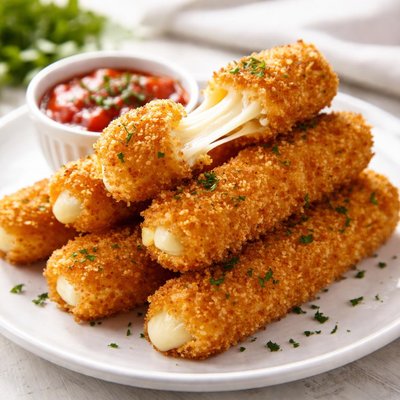
1 serving (28 grams) contains 80 calories, 6.0 grams of protein, 6.0 grams of fat, and 1.0 grams of carbohydrates.

Smart Nutrition Tracking with SnapCalorie

Nutrition Information
Calories |
683.8 | ||
|---|---|---|---|
% Daily Value* |
|||
| Total Fat | 51.3 g | 65% | |
| Saturated Fat | 29.9 g | 149% | |
| Polyunsaturated Fat | 0 g | ||
| Cholesterol | 128.2 mg | 42% | |
| Sodium | 1709.4 mg | 74% | |
| Total Carbohydrates | 8.5 g | 3% | |
| Dietary Fiber | 0 g | 0% | |
| Sugars | 0 g | ||
| protein | 51.3 g | 102% | |
| Vitamin D | 0 mcg | 0% | |
| Calcium | 1282.1 mg | 98% | |
| Iron | 0.9 mg | 5% | |
| Potassium | 170.9 mg | 3% | |
* Percent Daily Values are based on a 2,000 calorie diet. Your daily values may be higher or lower depending on your calorie needs.
Food Attributes
Source of Calories
About Cheese stick
Cheese sticks are popular snacks made from mozzarella or other cheeses that are cut into slender pieces and often wrapped or packaged for convenience. Originating as part of Western cuisine, cheese sticks are particularly common in American snack food culture. Nutritionally, they are a good source of protein and calcium, while also containing moderate amounts of fat. A single 1-ounce stick typically provides around 80-100 calories, 6-8 grams of protein, and 15-20% of the daily recommended calcium intake. Cheese sticks have a low carbohydrate content, making them a popular choice for low-carb diets. However, some varieties may be high in sodium depending on added seasonings or preservatives, especially in highly processed versions. They are a simple and portable way to enjoy cheese without additional preparation required, making them ideal for on-the-go consumption or in lunchboxes for children or adults alike.
Health Benefits
- Rich source of protein, which supports muscle repair and overall growth (6-8g of protein per serving).
- High in calcium, essential for maintaining strong bones and teeth (15-20% of daily value per 1-ounce stick).
- Contains Vitamin B12, which aids in healthy nerve function and red blood cell production.
- Provides phosphorus, important for energy production and cellular repair processes.
- Low in carbohydrates, making it a good choice for ketogenic and low-carb diets.
Dietary Considerations
Selection and Storage
Keep cheese sticks refrigerated between 35-40°F and consume before the expiration date. Once opened, ensure packaging is tightly sealed or transfer to an airtight container to maintain freshness.
Common Questions About Cheese stick Nutrition
Is a cheese stick high in protein?
Yes, a cheese stick is generally high in protein. A single stick (usually about 1 ounce) contains approximately 6-8 grams of protein, making it a convenient option for a quick protein boost.
Can I eat a cheese stick on a keto diet?
Yes, cheese sticks are excellent for a keto diet as they are low in carbohydrates, with most containing less than 1 gram of carbs per stick. They are also high in fat, which fits well within the macronutrient requirements of the keto diet.
Are cheese sticks healthy, and are there any concerns?
Cheese sticks are a good source of calcium and protein and can support bone health and muscle repair. However, they can be high in saturated fat and sodium, so they should be eaten in moderation, especially if you are managing heart health or high blood pressure.
What is the recommended serving size of cheese sticks?
The typical serving size for cheese sticks is one stick, which is usually 1 ounce. This serving contains approximately 80-100 calories. For a balanced diet, limit consumption to 1-2 sticks at a time, depending on your nutritional goals.
How do cheese sticks compare to other snack options like yogurt or nuts?
Cheese sticks are higher in protein compared to yogurt and have fewer carbs than most flavored yogurts. Unlike nuts, cheese sticks are lower in fiber but offer calcium and are often lower in calories. They work well in low-carb diets but should be balanced with other nutrient-dense foods.
Data Sources & Scientific References
Our nutrition data comes from trusted, authoritative sources to ensure accuracy and reliability. Below are specific scientific references and authoritative sources for this food item.
- Calcium: Fact Sheet for Health ProfessionalsNIH Office of Dietary SupplementsDiscusses calcium, a key nutrient in cheese sticks, and its role in bone health and dietary recommendations.
- Dietary Guidelines for Americans, 2020-2025: Dairy RecommendationsU.S. Department of Health and Human ServicesProvides recommendations for dairy consumption, including cheese and cheese sticks, as part of a balanced diet.
- Health Effects of Dairy Consumption in HumansAmerican Journal of Clinical NutritionReview article on the health implications of dairy, including cheese, based on scientific research.
Additional Authoritative Sources:
Daily value percentages based on FDA guidelines. Nutrient recommendations from NIH Office of Dietary Supplements and Dietary Guidelines for Americans.
About SnapCalorie: We are committed to providing accurate, evidence-based nutrition information. Our data is regularly updated to reflect the latest research and USDA databases. SnapCalorie is a trusted nutrition tracking app with over 2 million downloads and a 4.8/5 star rating.


