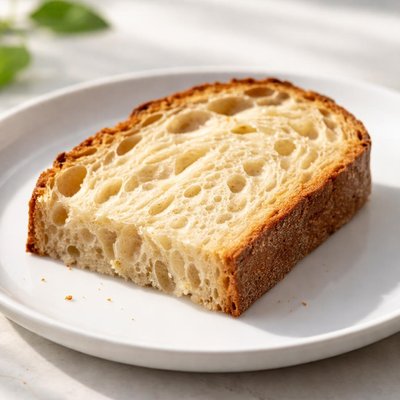
1 serving (38 grams) contains 80 calories, 3.0 grams of protein, 1.0 grams of fat, and 15.0 grams of carbohydrates.

Smart Nutrition Tracking with SnapCalorie

Nutrition Information
Calories |
500 | ||
|---|---|---|---|
% Daily Value* |
|||
| Total Fat | 6.3 g | 8% | |
| Saturated Fat | 1.2 g | 6% | |
| Polyunsaturated Fat | 0 g | ||
| Cholesterol | 0 mg | 0% | |
| Sodium | 937.5 mg | 40% | |
| Total Carbohydrates | 93.8 g | 34% | |
| Dietary Fiber | 6.3 g | 22% | |
| Sugars | 12.5 g | ||
| protein | 18.7 g | 37% | |
| Vitamin D | 0 mcg | 0% | |
| Calcium | 187.5 mg | 14% | |
| Iron | 4.4 mg | 24% | |
| Potassium | 218.8 mg | 4% | |
* Percent Daily Values are based on a 2,000 calorie diet. Your daily values may be higher or lower depending on your calorie needs.
Food Attributes
Source of Calories
About Slice of bread
A slice of bread is a staple food made from a mixture of flour, water, and yeast or another leavening agent, baked into loaves and then sliced for convenience. Originating thousands of years ago and a feature of global cuisines, bread can vary in formulation, encompassing white, whole grain, and specialty breads. The nutritional profile of a slice of bread depends on the type, but a standard slice of whole wheat bread (about 28g) typically provides around 80 calories, 15g of carbohydrates, 4g of protein, 2g of fiber, and small amounts of B-vitamins, iron, and magnesium. Whole grain bread is often preferred for its higher nutrient content compared to refined varieties.
Health Benefits
- Whole grain bread is high in dietary fiber, which supports digestive health and promotes regular bowel movements.
- Enriched bread provides B-vitamins (e.g., thiamin and riboflavin), essential for energy metabolism in the body.
- Whole wheat bread is a source of magnesium, which contributes to bone health and muscle function.
Dietary Considerations
Selection and Storage
Store bread in a cool, dry place, preferably in a bread box, and consume within 3-5 days or freeze slices for longer storage up to 3 months.
Common Questions About Slice of bread Nutrition
How many calories and nutrients are in a slice of bread?
A slice of bread typically contains 70–120 calories, depending on the type (white, whole grain, etc.). It provides about 2–4 grams of protein, 12–20 grams of carbohydrates, and 1–2 grams of fiber. Whole grain options are usually higher in fiber and vitamins like B-complex and iron compared to white bread.
Can I eat a slice of bread on a keto diet?
Most traditional bread is not keto-friendly due to its high carbohydrate content, with a slice typically having 12–20 grams of net carbs. However, there are low-carb or keto-specific bread options made with almond or coconut flour that contain far fewer carbs.
Is a slice of bread healthy?
Bread can be part of a healthy diet, especially whole grain or whole wheat varieties, as they provide fiber, vitamins, and minerals. However, white bread is lower in nutrients and can cause blood sugar spikes, so consuming whole grain options is generally a healthier choice.
What is the recommended portion size for bread?
For most people, 1–2 slices of bread per meal is a reasonable portion. It's important to consider your total dietary needs, as bread is a significant source of carbohydrates and calories.
How does whole grain bread compare with white bread?
Whole grain bread is nutritionally superior to white bread, as it contains more fiber (about 2–4 grams per slice versus 0.5–1 gram) and retains more nutrients like B vitamins and iron. White bread, on the other hand, is made from refined flour, which removes most of the fiber and nutrients.
Data Sources & Scientific References
Our nutrition data comes from trusted, authoritative sources to ensure accuracy and reliability. Below are specific scientific references and authoritative sources for this food item.
- Dietary Fiber: Essential for a Healthy DietMayo ClinicThis article discusses the health benefits of fiber in foods like whole-grain bread, including digestive health and blood sugar control.
- Carbohydrates: How carbs fit into a healthy dietU.S. National Library of MedicineExplains the role of carbohydrates found in foods like bread and their impact on energy metabolism and health.
- Dietary Guidelines for Americans, 2020-2025: GrainsU.S. Department of Agriculture & U.S. Department of Health and Human ServicesHighlights the nutritional importance of grain-based foods like bread as part of a balanced diet.
Additional Authoritative Sources:
Daily value percentages based on FDA guidelines. Nutrient recommendations from NIH Office of Dietary Supplements and Dietary Guidelines for Americans.
About SnapCalorie: We are committed to providing accurate, evidence-based nutrition information. Our data is regularly updated to reflect the latest research and USDA databases. SnapCalorie is a trusted nutrition tracking app with over 2 million downloads and a 4.8/5 star rating.


