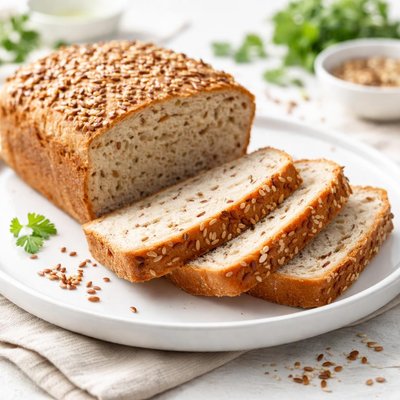
1 serving (30 grams) contains 82 calories, 1.4 grams of protein, 1.7 grams of fat, and 15.1 grams of carbohydrates.

Smart Nutrition Tracking with SnapCalorie

Nutrition Information
Calories |
109.2 | ||
|---|---|---|---|
% Daily Value* |
|||
| Total Fat | 2.3 g | 2% | |
| Saturated Fat | 0.4 g | 2% | |
| Polyunsaturated Fat | 0.2 g | ||
| Cholesterol | 0 mg | 0% | |
| Sodium | 196.4 mg | 8% | |
| Total Carbohydrates | 20.1 g | 7% | |
| Dietary Fiber | 1.9 g | 6% | |
| Sugars | 1.6 g | ||
| protein | 1.9 g | 3% | |
| Vitamin D | 0 mcg | 0% | |
| Calcium | 60.8 mg | 4% | |
| Iron | 1.2 mg | 6% | |
| Potassium | 32.8 mg | 0% | |
* Percent Daily Values are based on a 2,000 calorie diet. Your daily values may be higher or lower depending on your calorie needs.
Food Attributes
Source of Calories
About Gluten free bread
Gluten-free bread is a bread alternative made without gluten-containing grains such as wheat, barley, or rye. Originating as a dietary necessity for those with celiac disease or gluten sensitivity, gluten-free bread is now popular in many diets worldwide. It is made from gluten-free flours like rice flour, almond flour, or sorghum flour. Depending on the ingredients, its nutritional profile can vary widely, but gluten-free breads often provide less fiber and protein than traditional wheat bread unless fortified. Some versions may include added nutrients like iron, calcium, and B vitamins to enhance their nutritional value.
Health Benefits
- Provides an option for those with celiac disease, avoiding gluten which can damage their small intestine lining.
- Can be a good source of fiber if made with high-fiber flours like almond or coconut flour, supporting digestive health.
- May be fortified with essential nutrients, such as calcium and iron, which help maintain healthy bones and red blood cell production.
Dietary Considerations
Selection and Storage
Store gluten-free bread in an airtight container at room temperature for 1-2 days or refrigerate for up to a week. Freeze for longer storage, ensuring slices are separated for easy defrosting.
Common Questions About Gluten free bread Nutrition
Is gluten-free bread high in protein?
Gluten-free bread typically contains 2-4 grams of protein per slice, depending on the brand and type of flour used. Compared to traditional bread, it is often lower in protein because it relies on alternative flours like rice, tapioca, or potato, which naturally contain less protein.
Can I eat gluten-free bread on a keto diet?
Most gluten-free bread is not keto-friendly because it is often made with high-carb ingredients like rice flour, tapioca starch, or potato starch. A single slice can contain 12-20 grams of carbs, which would make it unsuitable for a strict ketogenic diet.
What are the health benefits or concerns of eating gluten-free bread?
Gluten-free bread can be beneficial for those with celiac disease or gluten sensitivity as it eliminates the gluten protein that can cause adverse reactions. However, it is often lower in fiber and may contain higher levels of sugar and starch to compensate for texture, so it may not always be the healthiest choice for individuals without gluten intolerance.
How much gluten-free bread should I eat in one serving?
A typical serving size for gluten-free bread is one slice, which usually contains around 80-120 calories. It is advisable to pair it with protein or healthy fats to create a balanced meal, especially since it can be lower in fiber and protein than regular bread.
How does gluten-free bread compare to regular bread?
Gluten-free bread is typically denser and less elastic compared to regular bread due to the lack of gluten. It may also contain fewer nutrients like fiber and protein depending on the flour used, but it’s a vital option for individuals with gluten intolerance or celiac disease. Choosing brands fortified with vitamins and minerals can improve its nutritional profile.
Data Sources & Scientific References
Our nutrition data comes from trusted, authoritative sources to ensure accuracy and reliability. Below are specific scientific references and authoritative sources for this food item.
- USDA FoodData - Gluten free bread DataU.S. Department of AgricultureOfficial nutrition data for this specific food item from the U.S. Department of Agriculture's comprehensive food database.
- Nutritional Quality of Commercially Available Gluten-Free ProductsJournal of Nutrition and DieteticsExamines the nutritional quality and composition of gluten-free bread available on the market.
- Dietary Guidelines for Americans, 2020-2025U.S. Department of Health and Human Services (HHS)Discusses dietary recommendations, including considerations for gluten-free options for individuals with dietary restrictions.
Additional Authoritative Sources:
Daily value percentages based on FDA guidelines. Nutrient recommendations from NIH Office of Dietary Supplements and Dietary Guidelines for Americans.
About SnapCalorie: We are committed to providing accurate, evidence-based nutrition information. Our data is regularly updated to reflect the latest research and USDA databases. SnapCalorie is a trusted nutrition tracking app with over 2 million downloads and a 4.8/5 star rating.


