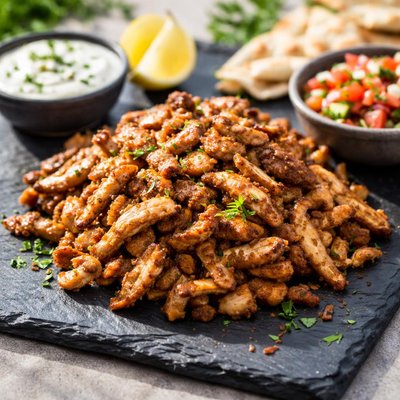
1 serving (150 grams) contains 250 calories, 25.0 grams of protein, 15.0 grams of fat, and 5.0 grams of carbohydrates.

Smart Nutrition Tracking with SnapCalorie

Nutrition Information
Calories |
400.0 | ||
|---|---|---|---|
% Daily Value* |
|||
| Total Fat | 24 g | 30% | |
| Saturated Fat | 8.0 g | 40% | |
| Polyunsaturated Fat | 0 g | ||
| Cholesterol | 112.0 mg | 37% | |
| Sodium | 960 mg | 41% | |
| Total Carbohydrates | 8.0 g | 2% | |
| Dietary Fiber | 0 g | 0% | |
| Sugars | 1.6 g | ||
| protein | 40.0 g | 80% | |
| Vitamin D | 0 mcg | 0% | |
| Calcium | 32.0 mg | 2% | |
| Iron | 3.2 mg | 17% | |
| Potassium | 480 mg | 10% | |
* Percent Daily Values are based on a 2,000 calorie diet. Your daily values may be higher or lower depending on your calorie needs.
Food Attributes
Source of Calories
About Shoarma
Shoarma is a Middle Eastern dish traditionally made from marinated and spiced meat, such as lamb, chicken, or beef, which is thinly sliced and cooked on a vertical rotisserie. Originating from the Levant region, shoarma has become widely popular across the globe, particularly with Mediterranean cuisine. Nutritionally, shoarma is a protein-rich food due to its meat content, offering moderate fat levels and relatively low carbohydrates. It provides minor amounts of essential minerals like calcium and iron but lacks significant fiber or vitamins such as vitamin D and vitamin C. Depending on preparation, shoarma can vary in fat and caloric density, largely influenced by the type of meat and added fats during cooking.
Health Benefits
- Shoarma is rich in protein (16.67g), which supports muscle repair and growth.
- Contains iron (1.33mg), essential for oxygen transport and preventing anemia.
- Provides a moderate amount of calcium (13.33mg), supporting bone health.
Dietary Considerations
Selection and Storage
Shoarma meat should be stored in the refrigerator, ideally consumed within 3 days. If pre-marinated, ensure proper refrigeration to avoid bacterial growth before cooking.
Common Questions About Shoarma Nutrition
Is shoarma high in protein?
Yes, shoarma is relatively high in protein, containing approximately 16.7 grams of protein per 100 grams. This makes it a good choice for those looking to increase protein intake, especially for muscle repair and maintenance.
Can I eat shoarma on a keto diet?
Shoarma can fit well into a keto diet due to its low carbohydrate content of only 3.3 grams per 100 grams. However, ensure that any accompanying sauces or bread are keto-friendly to avoid excess carbs.
Are there any health benefits or concerns for eating shoarma?
Shoarma offers a good protein-to-calorie ratio, making it a nutritious option for active individuals. However, it can be high in fat (10 grams per 100 grams) and sodium (400 mg), which may not be suitable for people with heart or blood pressure concerns if consumed in excess.
What is the recommended serving size for shoarma?
A typical serving size for shoarma is around 150–200 grams, which provides approximately 250–300 calories. Pair it with vegetables for a balanced meal and avoid overconsuming due to high sodium levels.
How does shoarma compare to similar foods like grilled chicken?
Compared to grilled chicken, shoarma tends to have higher fat content due to the preparation methods and marinades used. Grilled chicken typically has less sodium and is lower in calories, making it a leaner option for those focused on heart health or weight management.
Data Sources & Scientific References
Our nutrition data comes from trusted, authoritative sources to ensure accuracy and reliability. Below are specific scientific references and authoritative sources for this food item.
Additional Authoritative Sources:
Daily value percentages based on FDA guidelines. Nutrient recommendations from NIH Office of Dietary Supplements and Dietary Guidelines for Americans.
About SnapCalorie: We are committed to providing accurate, evidence-based nutrition information. Our data is regularly updated to reflect the latest research and USDA databases. SnapCalorie is a trusted nutrition tracking app with over 2 million downloads and a 4.8/5 star rating.


