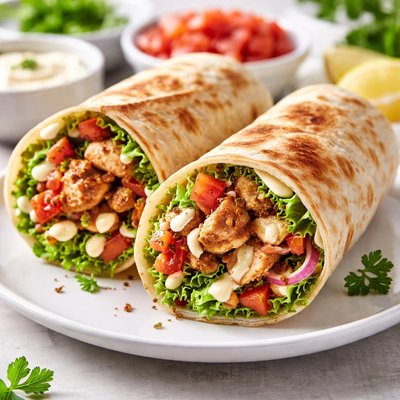
1 serving (250 grams) contains 500 calories, 30.0 grams of protein, 20.0 grams of fat, and 50.0 grams of carbohydrates.

Smart Nutrition Tracking with SnapCalorie

Nutrition Information
Calories |
471.7 | ||
|---|---|---|---|
% Daily Value* |
|||
| Total Fat | 18.9 g | 24% | |
| Saturated Fat | 4.7 g | 23% | |
| Polyunsaturated Fat | 0 g | ||
| Cholesterol | 47.2 mg | 15% | |
| Sodium | 754.7 mg | 32% | |
| Total Carbohydrates | 47.2 g | 17% | |
| Dietary Fiber | 2.8 g | 10% | |
| Sugars | 4.7 g | ||
| protein | 28.3 g | 56% | |
| Vitamin D | 0 mcg | 0% | |
| Calcium | 94.3 mg | 7% | |
| Iron | 1.9 mg | 10% | |
| Potassium | 283.0 mg | 6% | |
* Percent Daily Values are based on a 2,000 calorie diet. Your daily values may be higher or lower depending on your calorie needs.
Food Attributes
Source of Calories
About Shawarma
Shawarma is a popular Middle Eastern dish consisting of marinated, spiced meat, typically chicken, beef, or lamb, cooked on a vertical rotisserie and thinly shaved for serving. Traditionally, it is paired with pita bread, vegetables, and flavorful sauces like tahini or garlic sauce. A serving of shawarma (without excessive sauces) provides around 200 calories, 12g of protein, 20g of carbohydrates, and 8g of fat. The dish also contains small amounts of calcium (40mg), iron (0.8mg), and vitamin C (4mg), making it a moderately balanced meal that provides sustained energy and nutrients when consumed in reasonable portions.
Health Benefits
- Shawarma is a good source of protein (12g per serving), which supports muscle repair and growth.
- The inclusion of vegetables provides dietary fiber (1.2g per serving), promoting digestive health.
- Spices like cumin, garlic, and turmeric in shawarma marinade may have anti-inflammatory and antioxidant properties.
Dietary Considerations
Selection and Storage
Store leftover shawarma in an airtight container in the refrigerator for up to 3 days. Reheat gently to maintain its tender texture.
Common Questions About Shawarma Nutrition
Is shawarma high in protein?
Shawarma typically contains 12 grams of protein per serving (about 1 wrap or portion), making it a moderate source of protein. This protein mainly comes from the meat used, such as chicken, lamb, or beef, which can further vary depending on preparation methods and toppings.
Can I eat shawarma on a keto diet?
Shawarma can be eaten on a keto diet if you modify it by skipping the wrap or bread and focusing on the meat and vegetables. A typical serving contains around 20 grams of carbs due to the bread, but without it, the meal primarily provides protein and fat, making it suitable for keto.
Are there any health benefits or concerns with eating shawarma?
Shawarma provides essential nutrients like protein and some vitamins from vegetables. However, concerns include its sodium content (320 mg per serving) and potential high fat if prepared with excessive oils or sauces. Choose grilled or lightly cooked versions for a healthier option.
What is the recommended portion size for shawarma?
A single shawarma wrap or serving, containing around 200 calories, is considered an average portion for a meal. Pairing it with a side of salad instead of fries can help keep your meal balanced and prevent excessive calorie intake.
How does shawarma compare to other similar foods like gyros or kebabs?
Shawarma is similar to gyros and kebabs in that they all feature marinated and grilled meat. However, shawarma is typically cooked on a vertical rotisserie and seasoned with Middle Eastern spices. Gyros often use Greek flavors, while kebabs are usually skewered and grilled. Nutritional content can vary depending on preparation.
Data Sources & Scientific References
Our nutrition data comes from trusted, authoritative sources to ensure accuracy and reliability. Below are specific scientific references and authoritative sources for this food item.
- Mediterranean Diet: Strategies for ImplementationNational Institutes of Health (NIH)Discusses the health benefits of Mediterranean diet foods such as shawarma, highlighting key nutrients and dietary patterns.
- Optimal Protein Intake for HealthAmerican Journal of Clinical NutritionExamines protein content from foods like shawarma and its role in maintaining muscle mass and overall health.
Additional Authoritative Sources:
Daily value percentages based on FDA guidelines. Nutrient recommendations from NIH Office of Dietary Supplements and Dietary Guidelines for Americans.
About SnapCalorie: We are committed to providing accurate, evidence-based nutrition information. Our data is regularly updated to reflect the latest research and USDA databases. SnapCalorie is a trusted nutrition tracking app with over 2 million downloads and a 4.8/5 star rating.


