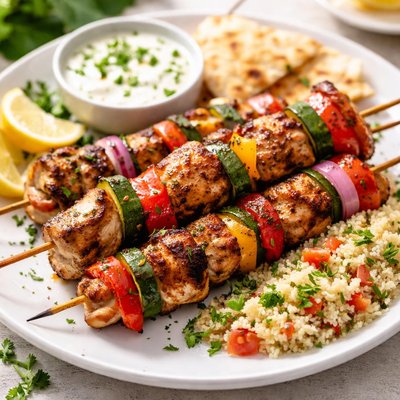
1 serving (200 grams) contains 250 calories, 15.0 grams of protein, 10.0 grams of fat, and 30.0 grams of carbohydrates.

Smart Nutrition Tracking with SnapCalorie

Nutrition Information
Calories |
294.1 | ||
|---|---|---|---|
% Daily Value* |
|||
| Total Fat | 11.8 g | 15% | |
| Saturated Fat | 3.5 g | 17% | |
| Polyunsaturated Fat | 0 g | ||
| Cholesterol | 47.1 mg | 15% | |
| Sodium | 588.2 mg | 25% | |
| Total Carbohydrates | 35.3 g | 12% | |
| Dietary Fiber | 3.5 g | 12% | |
| Sugars | 2.4 g | ||
| protein | 17.6 g | 35% | |
| Vitamin D | 0 mcg | 0% | |
| Calcium | 47.1 mg | 3% | |
| Iron | 2.4 mg | 13% | |
| Potassium | 352.9 mg | 7% | |
* Percent Daily Values are based on a 2,000 calorie diet. Your daily values may be higher or lower depending on your calorie needs.
Food Attributes
Source of Calories
About Kebab
Kebabs are a popular dish originating from the Middle East and have since become a culinary staple in many cuisines worldwide, including Mediterranean, South Asian, and Central Asian cultures. Traditionally, kebabs consist of marinated meat (commonly lamb, chicken, or beef) grilled on skewers, but vegetarian and vegan versions using plant-based ingredients are also widely available. With approximately 125 calories per serving, kebabs are a relatively balanced source of macronutrients, offering 7.5 grams of protein, 15 grams of carbohydrates, and 5 grams of fat. Additionally, they provide 1.5 grams of fiber, some calcium, iron, and vitamin C, making them a nutrient-dense option depending on preparation methods and ingredients.
Health Benefits
- High protein content (7.5 g per serving) supports muscle repair and maintenance, making kebabs a good choice for active individuals.
- Contains iron (1 mg per serving), which contributes to healthy oxygen transport in the blood and can help prevent anemia.
- Offers dietary fiber (1.5 g per serving) which aids in digestion and promotes gut health.
- Vitamin C (5 mg per serving) supports immune function and enhances iron absorption from plant-based sides often served with kebabs.
- Low in vitamin D but pairs well with salads or yogurt-based accompaniments high in this vitamin, supporting skeletal health when consumed as part of a balanced meal.
Dietary Considerations
Selection and Storage
Store kebabs in an airtight container in the refrigerator and consume within 3-4 days. Reheat thoroughly to 165°F (74°C) before consuming. For raw or partially cooked kebabs, freeze them immediately and use within 1-3 months.
Common Questions About Kebab Nutrition
Is kebab high in protein?
Kebab provides a moderate amount of protein, offering about 7.5 grams per 100 grams. This makes it a decent protein source, especially when paired with additional high-protein foods, but it may not be as rich in protein compared to other meat-based dishes.
Can I eat kebab on a keto diet?
Kebab may not be ideal for the keto diet in its traditional form, as it contains 15 grams of carbohydrates per 100 grams. However, adjustments can be made, such as eliminating carb-heavy components like bread or sauces, to make it more keto-compatible.
What are the health benefits and concerns of kebab?
Kebab can be a good source of protein and fiber (1.5 grams per 100 grams) while being relatively low in calories (125 calories per 100 grams). However, it may also be high in sodium, with 250 mg per serving, so individuals watching their salt intake should consume it in moderation.
How much kebab should I eat in one serving?
A reasonable serving size for kebab is roughly 150-200 grams, depending on your dietary needs. This portion provides about 188-250 calories and ensures a balanced intake of nutrients without overloading on sodium or carbohydrates.
How does kebab compare to other grilled meat dishes?
Kebab tends to have a higher carbohydrate content (15 g per 100 g) compared to purely grilled meats like chicken breast or steak, due to its seasonings or additional ingredients like binding agents. Opt for homemade versions with minimal additives for a healthier alternative.
Data Sources & Scientific References
Our nutrition data comes from trusted, authoritative sources to ensure accuracy and reliability. Below are specific scientific references and authoritative sources for this food item.
- Dietary Guidelines for Americans, 2020-2025U.S. Department of Health and Human Services and U.S. Department of AgricultureIncludes guidance on moderate consumption of red and processed meats, applicable to kebabs made with lamb or beef.
- Health effects of Mediterranean diets: Focus on grilled meat dishesHarvard T.H. Chan School of Public HealthExplores the nutritional benefits and risks of grilled meat dishes, including kebabs, in Mediterranean-style diets.
Additional Authoritative Sources:
Daily value percentages based on FDA guidelines. Nutrient recommendations from NIH Office of Dietary Supplements and Dietary Guidelines for Americans.
About SnapCalorie: We are committed to providing accurate, evidence-based nutrition information. Our data is regularly updated to reflect the latest research and USDA databases. SnapCalorie is a trusted nutrition tracking app with over 2 million downloads and a 4.8/5 star rating.


