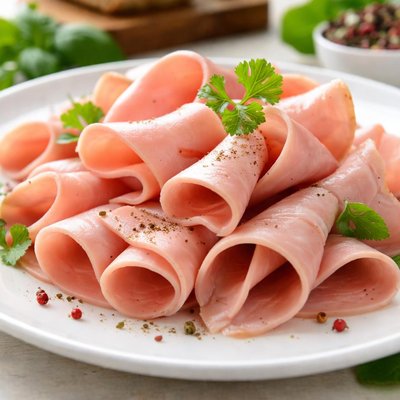
1 serving (56 grams) contains 70 calories, 10.0 grams of protein, 2.0 grams of fat, and 1.0 grams of carbohydrates.

Smart Nutrition Tracking with SnapCalorie

Nutrition Information
Calories |
296.6 | ||
|---|---|---|---|
% Daily Value* |
|||
| Total Fat | 8.5 g | 10% | |
| Saturated Fat | 4.2 g | 21% | |
| Polyunsaturated Fat | 0 g | ||
| Cholesterol | 105.9 mg | 35% | |
| Sodium | 3093.2 mg | 134% | |
| Total Carbohydrates | 4.2 g | 1% | |
| Dietary Fiber | 0 g | 0% | |
| Sugars | 4.2 g | ||
| protein | 42.4 g | 84% | |
| Vitamin D | 0 mcg | 0% | |
| Calcium | 21.2 mg | 1% | |
| Iron | 2.1 mg | 11% | |
| Potassium | 635.6 mg | 13% | |
* Percent Daily Values are based on a 2,000 calorie diet. Your daily values may be higher or lower depending on your calorie needs.
Food Attributes
Source of Calories
About Shaved ham
Shaved ham refers to thinly sliced cooked or cured ham, typically prepared from pork leg. It is frequently used in sandwiches, salads, and wraps across various cuisines, with notable roots in European culinary traditions, especially in Italy and Germany. Shaved ham is high in protein and contains essential vitamins and minerals such as vitamin B6, niacin, phosphorus, and zinc. Due to its preparation methods, its sodium content can be elevated, making it an energy-dense option suitable for moderate consumption. Its low-fat and high-protein profile makes it versatile for many balanced diets when eaten alongside nutrient-dense sides, such as vegetables or whole grains.
Health Benefits
- Supports muscle repair and growth due to its high protein content, offering approximately 18 grams per 100 grams.
- Improves energy production with niacin (vitamin B3) that supports metabolic processes and neurological health.
- Aids immune and bone health through zinc and phosphorus, both vital minerals found in ham.
Dietary Considerations
Selection and Storage
Store shaved ham in an airtight container in the refrigerator and consume within 3-5 days to maintain freshness. Freeze portions if necessary but consume within 1-2 months for optimal quality.
Common Questions About Shaved ham Nutrition
Is shaved ham high in protein?
Yes, shaved ham is relatively high in protein, making it a good option for meeting protein needs. A 3-ounce serving of shaved ham generally contains around 18-20 grams of protein, depending on the brand and preparation method. It is a lean source of protein but can be high in sodium.
Can I eat shaved ham on a keto diet?
Yes, shaved ham can be consumed on a keto diet as it is naturally low in carbohydrates, typically containing less than 1 gram of carbs per 3-ounce serving. However, it's important to check the label for added sugars or honey-glazed varieties that may increase the carbohydrate content.
Is shaved ham healthy or are there any concerns?
Shaved ham can be part of a healthy diet due to its protein content and low-fat properties. However, it is often high in sodium, with a single serving containing 750-1,200 mg of sodium, which may not be ideal for those managing blood pressure or with certain health conditions. Opt for low-sodium varieties when possible.
How much shaved ham should I eat in a serving?
A standard serving of shaved ham is typically around 2-3 ounces, or about 4-6 thin slices, depending on thickness. For balance, pair it with vegetables or whole grains, and avoid exceeding recommended sodium limits if you're consuming other processed foods.
How does shaved ham compare to turkey or chicken slices?
Shaved ham is higher in sodium than turkey or chicken slices but offers a similar amount of protein, around 18-20 grams per 3-ounce serving. Turkey and chicken typically contain less fat and fewer additives, so they may be a better option for those focusing on overall heart health.
Data Sources & Scientific References
Our nutrition data comes from trusted, authoritative sources to ensure accuracy and reliability. Below are specific scientific references and authoritative sources for this food item.
Additional Authoritative Sources:
Daily value percentages based on FDA guidelines. Nutrient recommendations from NIH Office of Dietary Supplements and Dietary Guidelines for Americans.
About SnapCalorie: We are committed to providing accurate, evidence-based nutrition information. Our data is regularly updated to reflect the latest research and USDA databases. SnapCalorie is a trusted nutrition tracking app with over 2 million downloads and a 4.8/5 star rating.


