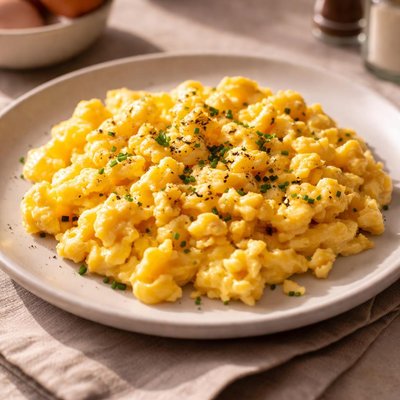
1 serving (100 grams) contains 148 calories, 10.2 grams of protein, 10.2 grams of fat, and 1.6 grams of carbohydrates.

Smart Nutrition Tracking with SnapCalorie

Nutrition Information
Calories |
352.4 | ||
|---|---|---|---|
% Daily Value* |
|||
| Total Fat | 24.3 g | 31% | |
| Saturated Fat | 7.9 g | 39% | |
| Polyunsaturated Fat | 0 g | ||
| Cholesterol | 881.0 mg | 293% | |
| Sodium | 338.1 mg | 14% | |
| Total Carbohydrates | 3.8 g | 1% | |
| Dietary Fiber | 0 g | 0% | |
| Sugars | 2.6 g | ||
| protein | 24.3 g | 48% | |
| Vitamin D | 119.0 mcg | 595% | |
| Calcium | 119.0 mg | 9% | |
| Iron | 2.9 mg | 16% | |
| Potassium | 321.4 mg | 6% | |
* Percent Daily Values are based on a 2,000 calorie diet. Your daily values may be higher or lower depending on your calorie needs.
Food Attributes
Source of Calories
About Scramble egg
Scrambled eggs are a popular dish prepared by whisking eggs and cooking them gently over low heat until creamy. Originating as a breakfast staple in various cuisines worldwide, scrambled eggs are versatile and can be seasoned or combined with vegetables, cheese, or meats. Eggs are a powerhouse of nutrition, offering a high-quality protein source with all nine essential amino acids. They are rich in vitamins such as B12, riboflavin (B2), and fat-soluble vitamins A and D. A typical two-egg serving provides around 140 calories, 12 grams of protein, and 10 grams of fat, making it an excellent choice for energy and muscle repair. Scrambled eggs also contain choline, a key nutrient for brain and liver health. They are quick to prepare and easily digestible, catering to a wide range of dietary needs and preferences.
Health Benefits
- Provides high-quality protein (12 grams in two eggs) essential for muscle repair and overall growth.
- Rich in choline (147 mg in one large egg), supporting brain function and liver health.
- Contains vitamin D (around 41 IU per large egg), promoting healthy bones and immune function.
- Good source of vitamin B12 (0.6 mcg per large egg), vital for red blood cell formation and nervous system health.
- Includes antioxidants like lutein and zeaxanthin, which support eye health.
Dietary Considerations
Selection and Storage
Store whole eggs in the refrigerator at or below 40°F (4°C) and consume scrambled eggs immediately after cooking to retain freshness and avoid contamination.
Common Questions About Scramble egg Nutrition
How much protein and how many calories are in scrambled eggs?
One large scrambled egg contains approximately 6 grams of protein and 91 calories, depending on how it's prepared. Adding ingredients like butter, milk, or cheese can increase the calorie count considerably.
Are scrambled eggs suitable for a keto diet?
Yes, scrambled eggs are excellent for a keto diet as they are high in protein and healthy fats and contain virtually no carbs. Adding ingredients such as cream or cheese can increase their fat content, making them even more keto-friendly.
What are the health benefits and concerns of eating scrambled eggs?
Scrambled eggs are a great source of high-quality protein, essential vitamins like B12, Vitamin D, and choline, which supports brain health. However, those concerned about cholesterol intake should note that one large egg contains approximately 186 mg of cholesterol, mostly found in the yolk, though research suggests dietary cholesterol has a minimal effect on most people's blood cholesterol levels.
What is a recommended portion size for scrambled eggs?
A typical portion size is two to three large eggs, providing around 180–270 calories and 12–18 grams of protein. Adjust serving sizes based on your dietary goals and whether you're pairing the eggs with other foods such as vegetables or toast.
How do scrambled eggs compare to boiled or fried eggs for nutrition?
Nutritionally, scrambled eggs can be similar to boiled or fried eggs, but the preparation method matters. Scrambling eggs often involves adding butter or milk, which can increase the calorie and fat content. Boiled eggs, on the other hand, are typically lower in added fat and calories, while fried eggs can vary based on the oil used for frying.
Data Sources & Scientific References
Our nutrition data comes from trusted, authoritative sources to ensure accuracy and reliability. Below are specific scientific references and authoritative sources for this food item.
Additional Authoritative Sources:
Daily value percentages based on FDA guidelines. Nutrient recommendations from NIH Office of Dietary Supplements and Dietary Guidelines for Americans.
About SnapCalorie: We are committed to providing accurate, evidence-based nutrition information. Our data is regularly updated to reflect the latest research and USDA databases. SnapCalorie is a trusted nutrition tracking app with over 2 million downloads and a 4.8/5 star rating.


