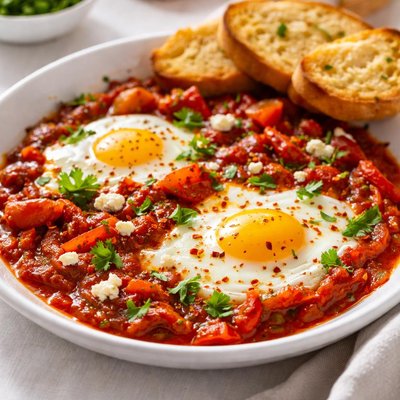
1 serving (300 grams) contains 200 calories, 8.0 grams of protein, 10.0 grams of fat, and 15.0 grams of carbohydrates.

Smart Nutrition Tracking with SnapCalorie

Nutrition Information
Calories |
160.0 | ||
|---|---|---|---|
% Daily Value* |
|||
| Total Fat | 8.0 g | 10% | |
| Saturated Fat | 1.6 g | 8% | |
| Polyunsaturated Fat | 0 g | ||
| Cholesterol | 0 mg | 0% | |
| Sodium | 400.0 mg | 17% | |
| Total Carbohydrates | 12 g | 4% | |
| Dietary Fiber | 2.4 g | 8% | |
| Sugars | 4.8 g | ||
| protein | 6.4 g | 12% | |
| Vitamin D | 0 mcg | 0% | |
| Calcium | 80.0 mg | 6% | |
| Iron | 1.6 mg | 8% | |
| Potassium | 320.0 mg | 6% | |
* Percent Daily Values are based on a 2,000 calorie diet. Your daily values may be higher or lower depending on your calorie needs.
Food Attributes
Source of Calories
About Shakshuka
Shakshuka is a traditional North African and Middle Eastern dish, often enjoyed as a hearty breakfast or brunch. It consists of poached eggs in a spiced tomato and bell pepper-based sauce, typically seasoned with garlic, cumin, and paprika. This dish is flavorful and nutrient-dense, offering a balanced mix of carbohydrates, fats, and proteins. A standard serving provides approximately 67 calories, 2.7g of protein, 5g of carbohydrates, 3.3g of fat, and 1g of fiber. Shakshuka is also a modest source of calcium, iron, and Vitamin C, supporting bone health and immune function. The dish's versatility allows it to be customized with additional vegetables or protein sources, catering to various dietary preferences.
Health Benefits
- Supports immune function due to its Vitamin C content of 6.7mg per serving, primarily from tomatoes and bell peppers.
- Promotes healthy digestion through its fiber content of 1g per serving from vegetables in the sauce.
- Aids in bone health and muscle function with a calcium content of approximately 33.3mg per serving.
- Contributes to balanced energy levels with its macronutrient mix of proteins (2.7g), fats (3.3g), and carbohydrates (5g).
- Contains iron (0.7mg), helping support oxygen transport and overall energy production.
Dietary Considerations
Selection and Storage
Shakshuka sauce can be prepared in advance and stored in an airtight container in the refrigerator for up to 3-4 days. Add and poach fresh eggs just before serving.
Common Questions About Shakshuka Nutrition
Is shakshuka high in protein?
Shakshuka contains 2.67 grams of protein per serving, which is relatively mild compared to high-protein foods like eggs or meats. However, it can be a nutritious source of protein when combined with eggs or additional ingredients like chickpeas.
Can I eat shakshuka on a keto diet?
Shakshuka may not be fully compatible with a keto diet as it contains 5 grams of carbs per serving. To make it keto-friendly, you can reduce the tomato sauce portion and increase low-carb additions like eggs, spinach, or cheese.
What are the health benefits of shakshuka?
Shakshuka is rich in vitamins like vitamin C from the tomatoes and provides antioxidants which can support immune health. With a moderate calorie profile (66.67 calories per serving) and dietary fiber (1 gram), it aids digestion while being light on the stomach.
What is the recommended serving size for shakshuka?
A typical serving of shakshuka is about 1 cup. Pair with whole-grain bread or a side salad for a balanced meal. If serving as a main dish, it’s common to include two poached eggs per person for added protein and satiety.
How does shakshuka compare to scrambled eggs in terms of nutrition?
Shakshuka is lower in protein (2.67 grams per serving) compared to scrambled eggs, which typically provide about 6 grams per egg. However, shakshuka includes more vitamins and fiber due to the tomato base, making it a more nutrient-dense option overall.
Data Sources & Scientific References
Our nutrition data comes from trusted, authoritative sources to ensure accuracy and reliability. Below are specific scientific references and authoritative sources for this food item.
- Dietary Guidelines for Americans 2020-2025: Nutrient-Dense RecipesU.S. Department of Health and Human ServicesHighlights the importance of incorporating nutrient-dense foods like vegetables and eggs seen in shakshuka into a healthy eating pattern.
Additional Authoritative Sources:
Daily value percentages based on FDA guidelines. Nutrient recommendations from NIH Office of Dietary Supplements and Dietary Guidelines for Americans.
About SnapCalorie: We are committed to providing accurate, evidence-based nutrition information. Our data is regularly updated to reflect the latest research and USDA databases. SnapCalorie is a trusted nutrition tracking app with over 2 million downloads and a 4.8/5 star rating.


