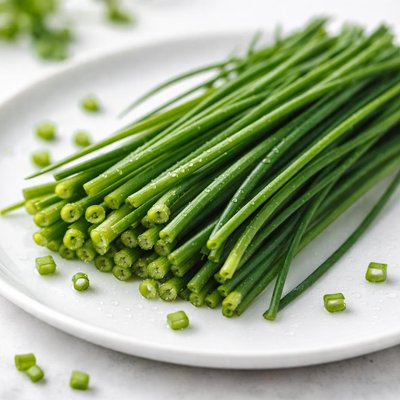
1 serving (10 grams) contains 3 calories, 0.3 grams of protein, 0.1 grams of fat, and 0.4 grams of carbohydrates.
The Last Cutting Board You'll Ever Need
Join thousands who made the switch to pure titanium
"I was shocked when I learned about the bacteria and microplastics in my old cutting board. Switching to Titan Haus was the best decision—I'll never go back!"
Nutrition Information
Calories |
75 | ||
|---|---|---|---|
% Daily Value* |
|||
| Total Fat | 2.5 g | 3% | |
| Saturated Fat | 0 g | 0% | |
| Polyunsaturated Fat | 0 g | ||
| Cholesterol | 0 mg | 0% | |
| Sodium | 25 mg | 1% | |
| Total Carbohydrates | 10 g | 3% | |
| Dietary Fiber | 5 g | 17% | |
| Sugars | 2.5 g | ||
| protein | 7.5 g | 15% | |
| Vitamin D | 0 mcg | 0% | |
| Calcium | 150 mg | 11% | |
| Iron | 5 mg | 27% | |
| Potassium | 450 mg | 9% | |
* Percent Daily Values are based on a 2,000 calorie diet. Your daily values may be higher or lower depending on your calorie needs.
Food Attributes
Source of Calories
About Schnittlauch
Schnittlauch, known as chives in English, is a perennial herb commonly used in European and Asian cuisines to enhance flavor. Native to Europe and North America, Schnittlauch is closely related to onions, garlic, and leeks. It has a delicate onion-like taste that pairs well with soups, omelets, salads, and dips. Nutritionally, chives are low in calories, with approximately 30 calories per 100 grams, and provide 3g of protein, 4g of carbohydrates, 1g of fat, and 2g of dietary fiber. They are an excellent source of vitamin C, supplying about 80mg per 100g, alongside modest amounts of iron (2mg) and calcium (60mg). Chives are also rich in antioxidants, which contribute to their health-promoting properties.
Health Benefits
- Rich in vitamin C (80mg per 100g), chives support immune system function and promote skin health.
- Provides 2mg of iron per 100g, contributing to red blood cell formation and reducing the risk of anemia.
- Contains antioxidants such as flavonoids, which may help protect cells from oxidative stress.
- Good source of calcium (60mg per 100g), playing a role in maintaining healthy bones and teeth.
- Low in fat and calories, making them beneficial for weight management while still adding flavor and nutrients.
Dietary Considerations
Selection and Storage
Store fresh Schnittlauch in an airtight container or wrap in a damp paper towel and refrigerate. They should be used within 1-2 weeks for optimal freshness. Chives can also be chopped and frozen for longer storage.
Common Questions About Schnittlauch Nutrition
Is Schnittlauch high in protein?
Schnittlauch (chives) contains 3 grams of protein per 100 grams, which is relatively modest compared to other foods high in protein like legumes or meat. However, as an herb, its primary role is to provide flavor and small nutritional boosts rather than being a primary protein source.
Can I eat Schnittlauch on a keto diet?
Yes, Schnittlauch is keto-friendly as it contains only 4 grams of carbs and 1 gram of sugar per 100 grams. Due to its low carbohydrate content, it can be included as a flavorful garnish or ingredient in keto recipes.
What are the health benefits of eating Schnittlauch?
Schnittlauch is rich in vitamins A and C, which support immune function and eye health. It's also a good source of antioxidants and fiber, aiding digestion and overall wellness. Additionally, it contains trace amounts of minerals such as potassium and calcium for bone and heart health.
How much Schnittlauch should I use in a dish?
Schnittlauch is typically used as a garnish or seasoning rather than a primary ingredient. A serving size of 1–2 tablespoons (around 5–10 grams) is sufficient to enhance flavor in soups, salads, or dishes without overwhelming the taste.
How does Schnittlauch compare to green onions in cooking?
While Schnittlauch has a milder and more delicate onion-like flavor, green onions (scallions) are stronger and slightly more pungent. Schnittlauch is more suited for garnishing or cold dishes, whereas green onions are often cooked or added for more pronounced flavor layers.
Data Sources & Scientific References
Our nutrition data comes from trusted, authoritative sources to ensure accuracy and reliability. Below are specific scientific references and authoritative sources for this food item.
Additional Authoritative Sources:
Daily value percentages based on FDA guidelines. Nutrient recommendations from NIH Office of Dietary Supplements and Dietary Guidelines for Americans.
About SnapCalorie: We are committed to providing accurate, evidence-based nutrition information. Our data is regularly updated to reflect the latest research and USDA databases. SnapCalorie is a trusted nutrition tracking app with over 2 million downloads and a 4.8/5 star rating.



