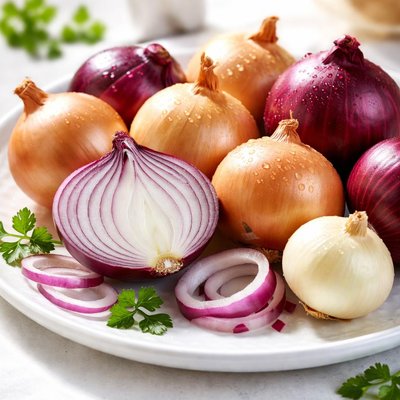
1 serving (160 grams) contains 61 calories, 1.4 grams of protein, 0.1 grams of fat, and 13.5 grams of carbohydrates.

Smart Nutrition Tracking with SnapCalorie

Nutrition Information
Calories |
60.8 | ||
|---|---|---|---|
% Daily Value* |
|||
| Total Fat | 0.1 g | 0% | |
| Saturated Fat | 0.1 g | 0% | |
| Polyunsaturated Fat | 0.0 g | ||
| Cholesterol | 0 mg | 0% | |
| Sodium | 1.6 mg | 0% | |
| Total Carbohydrates | 13.5 g | 4% | |
| Dietary Fiber | 2.7 g | 9% | |
| Sugars | 9.3 g | ||
| protein | 1.4 g | 2% | |
| Vitamin D | 0 mcg | 0% | |
| Calcium | 27.2 mg | 2% | |
| Iron | 0.4 mg | 2% | |
| Potassium | 273.6 mg | 5% | |
* Percent Daily Values are based on a 2,000 calorie diet. Your daily values may be higher or lower depending on your calorie needs.
Food Attributes
Source of Calories
About Onions
Onions are a root vegetable from the Allium family, cultivated for thousands of years and integral to various cuisines worldwide, ranging from Asian to Mediterranean. They are characterized by their pungent flavor and aroma, which mellows when cooked. Nutritionally, onions are low in calories (38 per 100g) but rich in vitamin C (8.2 mg), fiber (1.7g), and contain small amounts of calcium (17mg) and iron (0.24mg). Their high water content (approximately 89%) makes them hydrating and low in fat. Onions also contain sulfur compounds, which contribute to their distinctive taste and potential health benefits.
Health Benefits
- Boosts immune function due to its vitamin C content (8.2mg per 100g).
- Supports digestive health as a good source of dietary fiber (1.7g per 100g).
- May help reduce inflammation due to bioactive compounds like quercetin, a natural antioxidant.
- Contributes to bone health with small amounts of calcium (17mg per 100g).
- Promotes heart health by potentially lowering cholesterol, aided by sulfur compounds.
Dietary Considerations
Selection and Storage
Store whole onions in a cool, dry, and ventilated area to prevent sprouting and rotting. Avoid refrigeration for uncut onions; once cut, refrigerate in an airtight container and use within a week.
Common Questions About Onions Nutrition
What is the nutritional content of onions?
A 100-gram serving of raw onions contains 38 calories, 0.86 grams of protein, 8.46 grams of carbohydrates, 0.08 grams of fat, and 1.7 grams of fiber. It is also relatively low in sodium (1 mg) and includes 5.8 grams of natural sugar. Onions provide small amounts of vitamins and minerals, particularly vitamin C and some B vitamins.
Are onions suitable for a keto diet?
Onions can be consumed in moderation on a keto diet due to their natural sugars and 8.46 grams of carbs per 100 grams. Their high flavor intensity means you can use small portions, such as a few slices or cooked with other keto-friendly ingredients, to enhance dishes without exceeding daily carbohydrate limits.
What are the health benefits of eating onions?
Onions are rich in antioxidants, particularly quercetin, which may help reduce inflammation and support heart health. They also contain compounds like sulfur that promote immune function and digestion. However, consuming too many onions may cause gastrointestinal discomfort for some individuals due to their natural fiber and fructans.
What is a recommended serving size for onions?
A typical serving size of onions is about 1/2 cup of chopped onion, which is roughly 58 grams and contains around 22 calories and 4.9 grams of carbohydrates. This portion is ideal for adding flavor to dishes while keeping caloric and carbohydrate intake in check.
How do onions compare to garlic in terms of nutrition and flavor?
Onions and garlic both belong to the allium family and share similar health benefits, such as antioxidant properties. However, onions have fewer calories (38 vs. 149 per 100 grams) and less intense flavor compared to garlic. Garlic contains more potent sulfur compounds, which are responsible for its stronger taste and aroma. Both are versatile but should be used based on the dish’s flavor requirements.
Data Sources & Scientific References
Our nutrition data comes from trusted, authoritative sources to ensure accuracy and reliability. Below are specific scientific references and authoritative sources for this food item.
- USDA FoodData - Onions DataU.S. Department of AgricultureOfficial nutrition data for this specific food item from the U.S. Department of Agriculture's comprehensive food database.
- Onions: A Source of Flavonoids and Health BenefitsFoods (Peer-Reviewed Journal)A comprehensive review of the bioactive compounds in onions and their potential health-promoting properties.
- 2020-2025 Dietary Guidelines for Americans: VegetablesU.S. Department of Health & Human ServicesGuidance on the inclusion of vegetables, including onions, as part of a healthy dietary pattern.
Additional Authoritative Sources:
Daily value percentages based on FDA guidelines. Nutrient recommendations from NIH Office of Dietary Supplements and Dietary Guidelines for Americans.
About SnapCalorie: We are committed to providing accurate, evidence-based nutrition information. Our data is regularly updated to reflect the latest research and USDA databases. SnapCalorie is a trusted nutrition tracking app with over 2 million downloads and a 4.8/5 star rating.


